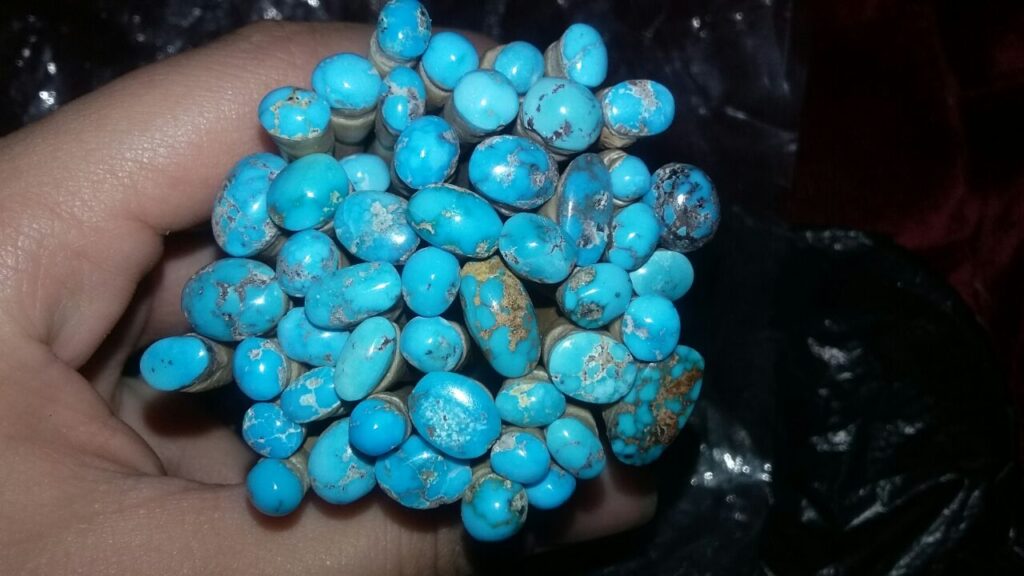
For centuries, Iranian turquoise has been regarded as one of the most prized gemstones in the world, admired for its striking blue color and symbolic meaning. Known as Firouzeh in Persian, this gemstone holds a special place in Iranian culture, where it has been associated with royalty, protection, and spiritual significance. Mined primarily in the Neyshabur region of northeastern Iran, turquoise has adorned the jewelry of Persian kings, warriors, and nobility throughout history, earning it the title “The Gemstone of Kings.”
In this post, we’ll explore the rich history of Iranian turquoise, its cultural significance, and its continued use in Persian jewelry.
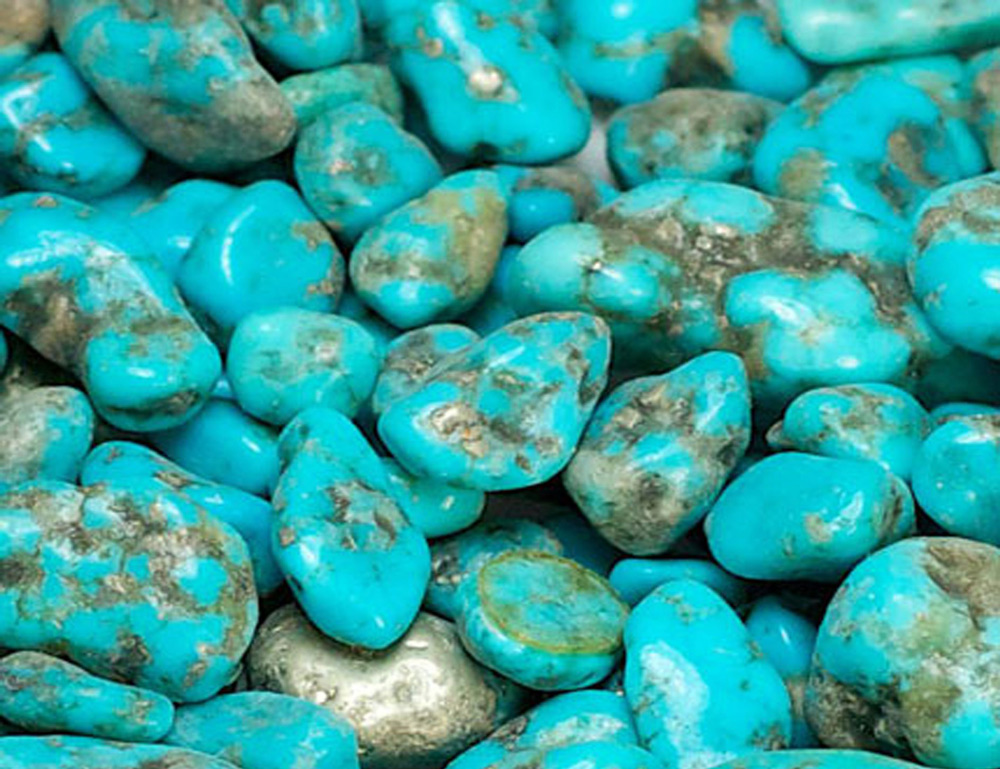
1. The History of Turquoise in Iran: An Ancient Legacy
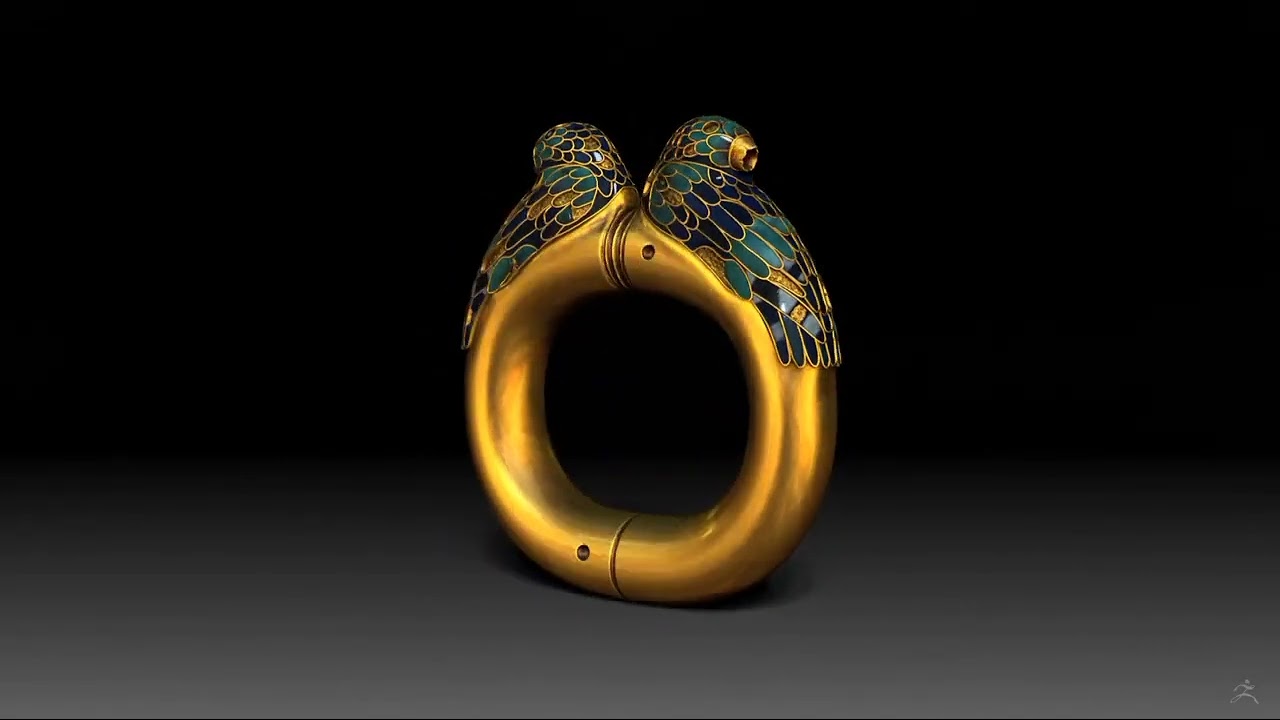
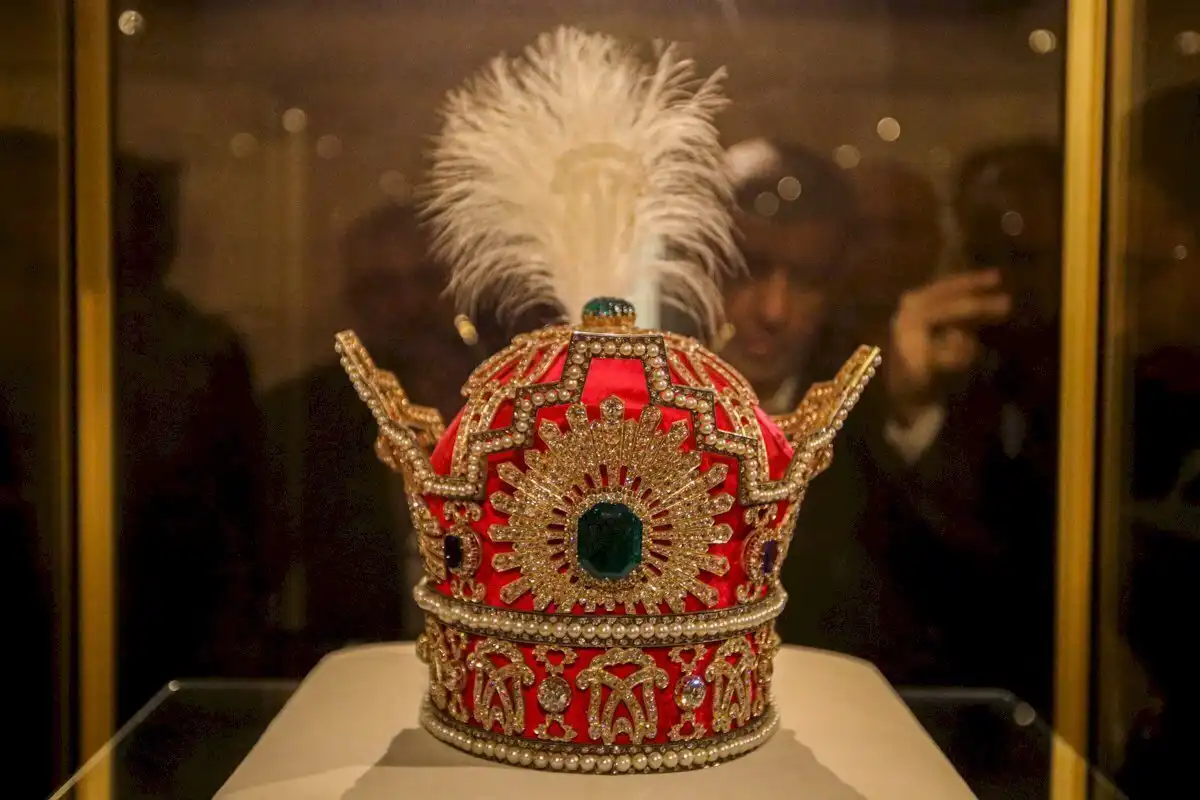
The use of turquoise in Iranian jewelry dates back thousands of years, with some of the earliest examples found in archeological sites dating to the Achaemenid Empire (550–330 BCE). Throughout history, turquoise has symbolized wealth, status, and protection in Iranian culture. The vibrant blue stone was considered so valuable that it became a favorite of Persian kings and was often used to decorate royal crowns, thrones, and ceremonial objects.
The Neyshabur Mines: Source of the World’s Finest Turquoise
The best-known source of Iranian turquoise is the Neyshabur mines, located near Neyshabur in northeastern Iran. These mines are considered to produce the finest turquoise in the world due to the stone’s intense blue color, which is attributed to the region’s high levels of copper in the soil. The Neyshabur turquoise has been mined for over 5,000 years and remains highly sought after for its vibrant hue and quality.
- Historical Importance: Turquoise from Neyshabur has been traded across the Middle East and Central Asia for millennia, with Persian kings and nobles favoring it for their jewelry and decorations. The stone was often exchanged as a valuable commodity along trade routes, becoming synonymous with luxury and status.
- Royal Use: Turquoise was frequently used in Achaemenid and Sassanid royal jewelry to symbolize protection and power. Kings and nobles believed that wearing turquoise would bring them good fortune and protect them from harm.
2. Symbolism and Spiritual Significance of Turquoise in Iranian Culture
In Iranian culture, turquoise has long been associated with protection, healing, and spiritual strength. Believed to ward off the evil eye and bring good luck, turquoise has been worn by individuals across social classes, from kings and warriors to ordinary people seeking protection and blessings.
Protection and the Evil Eye
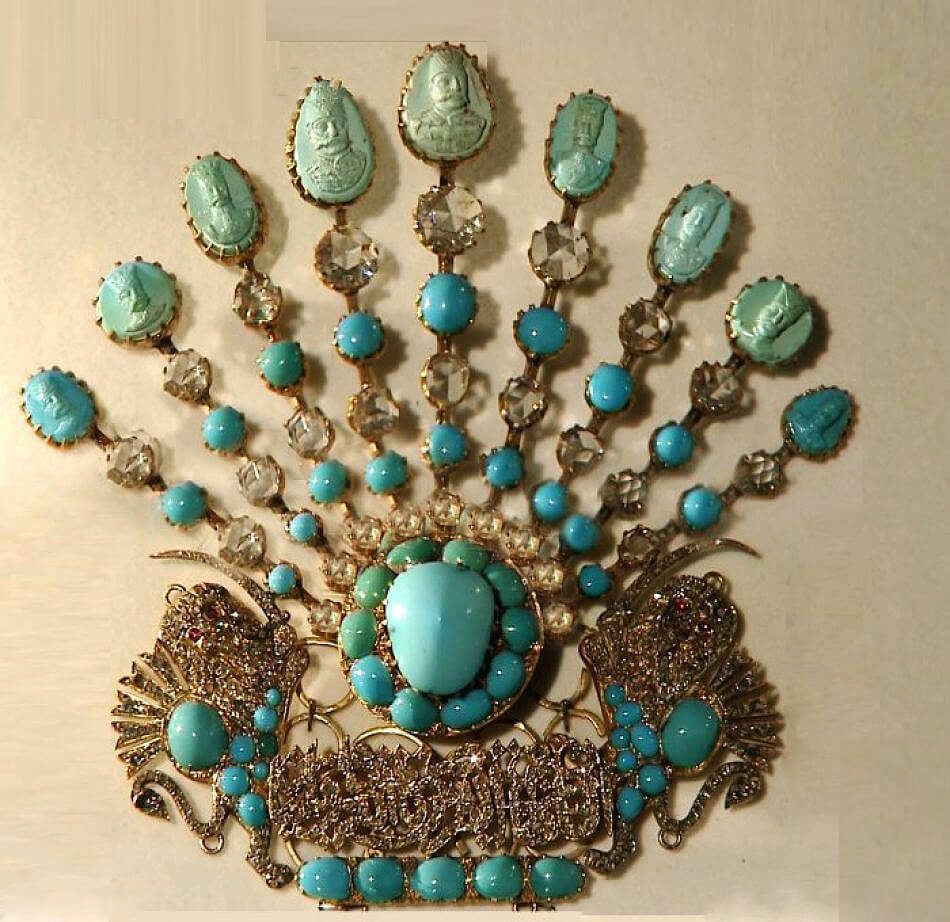
One of the most enduring beliefs surrounding turquoise is its ability to protect the wearer from the evil eye and negative energies. In Iranian tradition, turquoise is considered a protective stone that can safeguard against ill intentions and misfortune. It was often set into rings, amulets, and pendants as a talisman to provide spiritual protection.
- Turquoise Amulets: For centuries, Persians have worn turquoise amulets to protect against the evil eye. These amulets, often carved or inscribed with Zoroastrian symbols or Quranic verses, are believed to provide both spiritual and physical protection, making them popular among travelers and warriors.
- Changing Color Belief: There is an old belief that Iranian turquoise changes color based on the health or well-being of the wearer. If the stone turns pale, it is thought to signal danger or illness, while a vibrant blue hue indicates good fortune and health.
Symbol of Royalty and Power
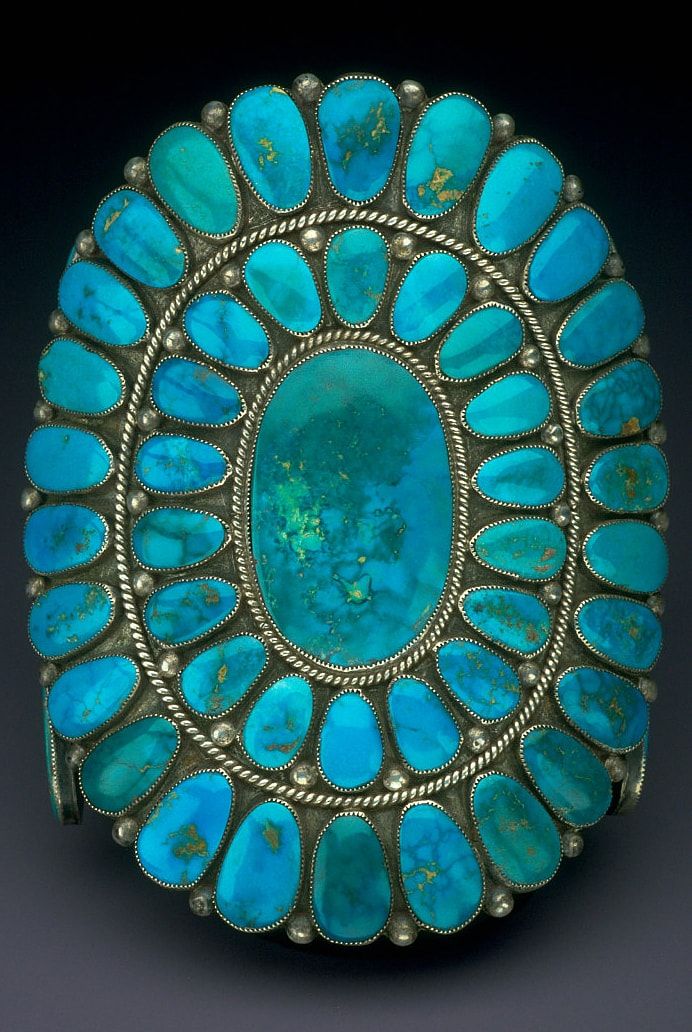
Historically, turquoise was a royal gemstone, symbolizing power and leadership. Persian kings wore turquoise rings and bracelets as symbols of their authority and to ensure divine favor. In addition, the stone was often incorporated into royal regalia, including crowns and ceremonial weapons.
- Thrones and Crowns: Persian kings adorned their thrones, crowns, and ceremonial robes with turquoise, as it was believed to grant spiritual protection to the ruler and ensure the stability of their reign.
- Warriors’ Jewelry: Persian warriors often wore turquoise jewelry or carried turquoise amulets into battle, believing that the stone would protect them from harm and bring victory.
3. The Use of Turquoise in Traditional Iranian Jewelry
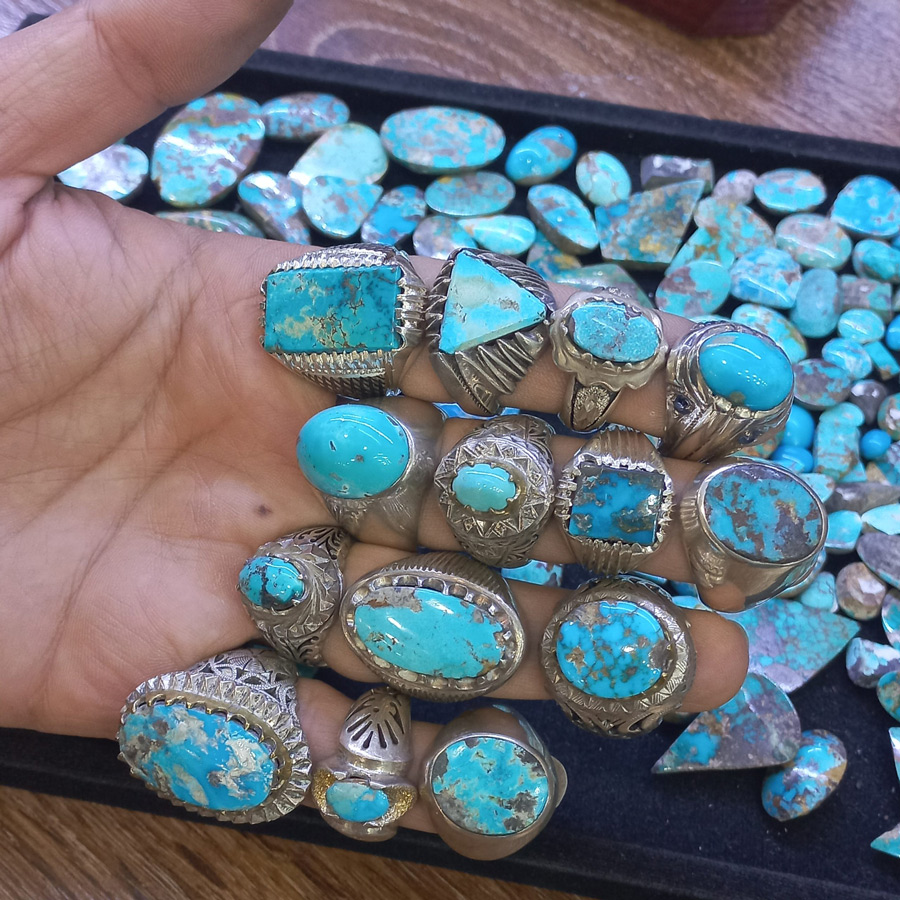
Throughout history, turquoise has been a central element in Persian jewelry, with artisans incorporating the stone into everything from rings and necklaces to bracelets, earrings, and brooches. The unique blue-green hues of Iranian turquoise have made it a favorite material for both ornamental and ceremonial jewelry.
Turquoise in Royal and Noble Jewelry
Among the Persian elite, turquoise was often paired with gold and silver to create elaborate and intricate designs that highlighted the stone’s beauty. These pieces were frequently adorned with filigree work, a traditional Persian technique that involves twisting fine strands of metal into lace-like patterns.
- Turquoise and Gold Jewelry: Gold rings and bracelets set with turquoise cabochons were popular among royalty and high-ranking officials. These pieces were seen as symbols of both wealth and spiritual protection.
- Filigree Work: Turquoise necklaces and bracelets featuring delicate gold filigree designs were highly prized for their intricate craftsmanship. These pieces often incorporated Zoroastrian or Islamic motifs, reflecting the spiritual beliefs of their wearers.
Everyday Adornment and Gifts
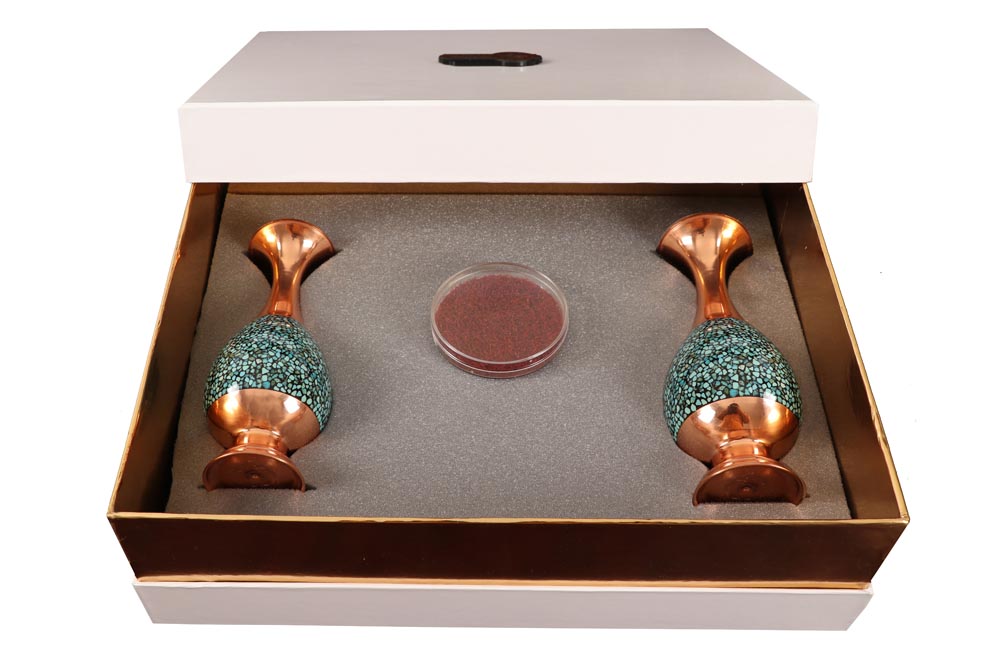
For the general population, turquoise jewelry was worn not only for its beauty but also for its protective qualities. Many people wore turquoise rings or bracelets as a way of inviting good fortune and protecting themselves from harm. Additionally, turquoise was a popular choice for gifts, particularly for occasions like weddings or Nowruz, the Persian New Year.
- Wedding Jewelry: Turquoise is often featured in wedding jewelry, symbolizing protection, fertility, and prosperity for the couple. Brides commonly wear turquoise rings or necklaces as part of their wedding attire.
- Nowruz Gifts: During Nowruz celebrations, it is traditional to give gifts that symbolize renewal and good luck. Turquoise jewelry, with its associations with protection and positive energy, is a popular gift during this holiday.
4. Iranian Turquoise in Contemporary Jewelry Design
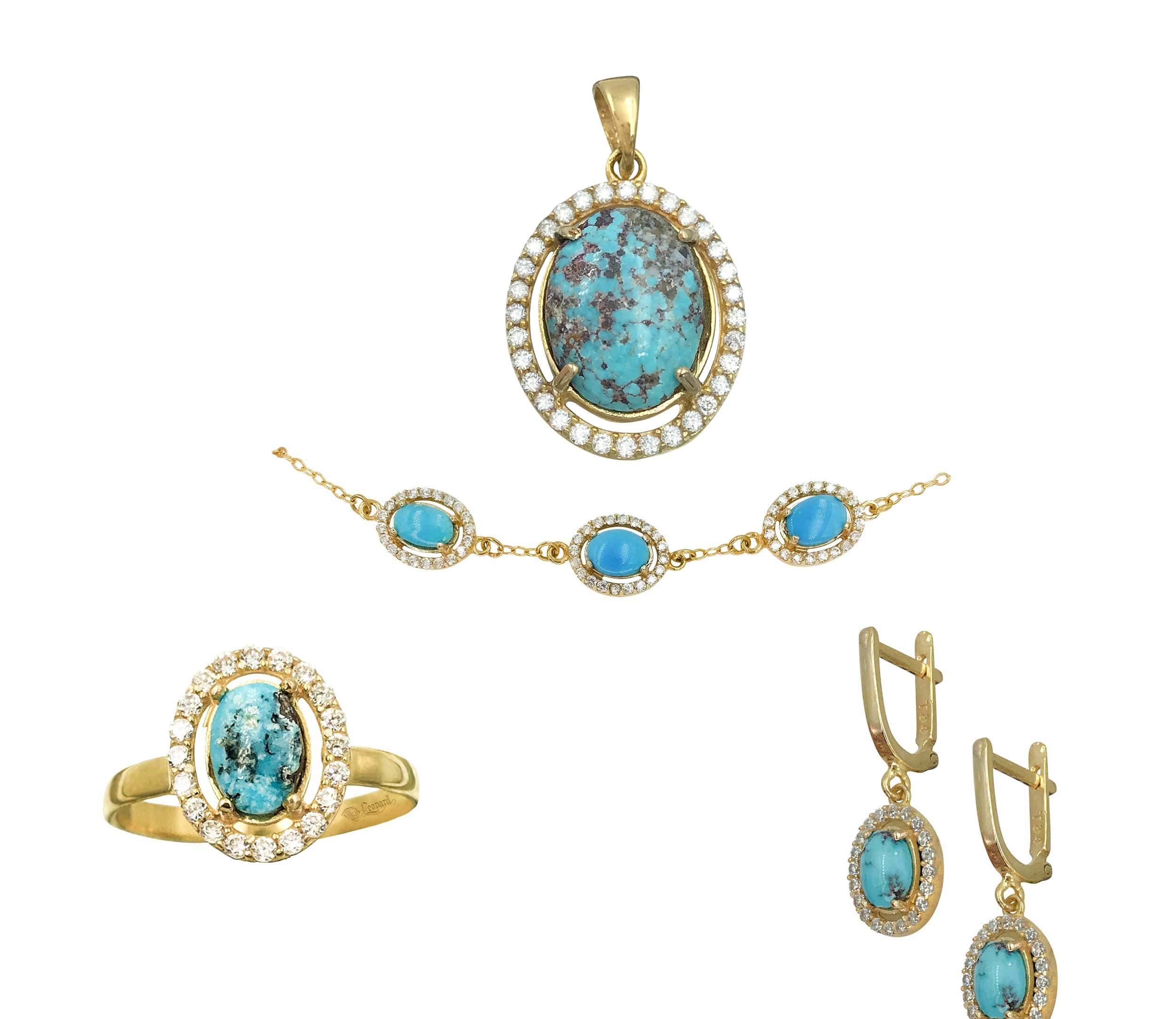
While traditional Persian jewelry continues to celebrate the beauty and symbolism of turquoise, modern Iranian jewelry designers are reimagining the use of this gemstone in contemporary styles. Today, Iranian turquoise is being incorporated into minimalist designs, statement pieces, and custom creations that appeal to a global audience.
Modern Minimalism Meets Ancient Traditions
Many contemporary Iranian designers are creating minimalist jewelry that showcases the natural beauty of turquoise in simple, elegant settings. These designs often feature clean lines and geometric shapes, allowing the vibrant hues of the turquoise to take center stage.
- Single Stone Rings: One of the most popular modern designs is the single stone turquoise ring, where a single turquoise cabochon is set in a sleek gold or silver band. This minimalist approach highlights the stone’s natural beauty and makes it suitable for everyday wear.
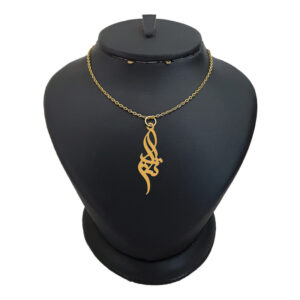
- Turquoise Pendants: Contemporary turquoise pendants often feature geometric or abstract designs, offering a fresh take on traditional motifs. These pieces blend Persian heritage with modern aesthetics, appealing to both local and international markets.
Statement Pieces and Artistic Creations
In addition to minimalist designs, some Iranian jewelers are creating bold, statement pieces that incorporate large turquoise stones and ornate metalwork. These designs are often inspired by Persian art and mythology, featuring motifs such as the Simurgh (the mythical bird) or the Faravahar.
- Turquoise Cuffs and Bracelets: Wide cuffs and bracelets featuring large, polished turquoise stones are popular statement pieces in contemporary Persian jewelry. These pieces are often paired with intricate engraving or calligraphy, adding layers of meaning to the design.
- Artisanal Custom Creations: Custom-made turquoise jewelry is also gaining popularity, with customers seeking bespoke designs that reflect their connection to Persian culture. Jewelers often work closely with clients to create one-of-a-kind pieces that incorporate both traditional techniques and modern influences.
5. The Global Appeal of Iranian Turquoise
The beauty and cultural significance of Iranian turquoise has made it a sought-after gemstone not only in Iran but also around the world. Its rich history, combined with its unique color and spiritual symbolism, has helped Iranian turquoise maintain its status as one of the most valuable gemstones on the global market.
Exporting Persian Craftsmanship
Turquoise from Neyshabur is highly prized by jewelers and collectors worldwide, and many international designers incorporate Iranian turquoise into their collections. The stone’s association with luxury, protection, and good fortune makes it a popular choice for high-end jewelry.
- International Demand: Iranian turquoise is exported to countries across the globe, including Europe, North America, and the Middle East, where it is used in both traditional Persian jewelry and modern designs.
- Celebrity Influence: The appeal of Iranian turquoise has also been bolstered by its popularity among celebrities and fashion icons, who often wear turquoise jewelry as a statement of style and elegance.
Conclusion: A Timeless Gemstone
The history of Iranian turquoise is a testament to its enduring significance in Persian culture and its continued relevance in modern jewelry. Whether worn for protection, spiritual connection, or simply as a beautiful adornment, turquoise remains a cherished gemstone that reflects Iran’s rich heritage and artistry.
At LetsGoYelo, we celebrate the beauty of Iranian turquoise by offering a curated collection of handcrafted jewelry that honors the stone’s historical significance while embracing modern design. Explore our collection and discover the timeless allure of turquoise, the Gemstone of Kings!