How the Ancient Trade Route Facilitated the Spread and Exchange of Persian Artistry
The Silk Road, one of the most significant trade routes in history, played a vital role in shaping the cultural and economic landscape of the ancient world. Stretching from China to the Mediterranean, this network of trade routes connected diverse cultures, economies, and artistic traditions across continents. Iran, strategically located at the heart of the Silk Road, became a key player in the exchange of goods, ideas, and craftsmanship, including the renowned tradition of Persian jewelry.
In this post, we will explore how the Silk Road facilitated the spread of Iranian jewelry, how it influenced jewelry designs across regions, and the legacy of this cultural exchange in modern jewelry-making.
1. Iran’s Strategic Position on the Silk Road
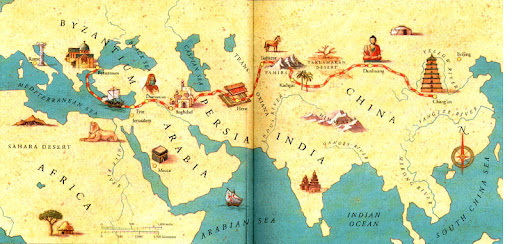
Located at the crossroads of Asia, Europe, and the Middle East, Iran (then known as Persia) was a critical hub for trade along the Silk Road. The Persian Empire, particularly during the Achaemenid, Parthian, and Sassanid periods, controlled vast territories that stretched from the Indus Valley to the Mediterranean Sea, making it a key player in both eastward and westward trade.
Iran as a Trade Hub
Persian merchants and traders facilitated the movement of goods along the Silk Road, and their caravans carried a variety of luxury items, including spices, textiles, pottery, and of course, jewelry. The Persian Empire’s extensive road system, including the famous Royal Road, connected the eastern and western parts of the empire, enabling the exchange of goods, craftsmanship, and artistic traditions.
- Jewelry as a Prestige Item: Persian jewelry, known for its intricate designs, use of precious metals, and incorporation of symbolic motifs, was considered a luxury commodity along the Silk Road. Persian traders offered finely crafted gold, silver, and turquoise jewelry, which were in high demand in both Eastern and Western markets.
- Cross-Cultural Trade: Iranian jewelry was traded in key cities along the Silk Road, including Samarkand, Bukhara, and Kashgar, reaching buyers from China, India, Central Asia, and the Mediterranean. These cities acted as melting pots where various cultures converged, facilitating the cross-cultural exchange of art and design.
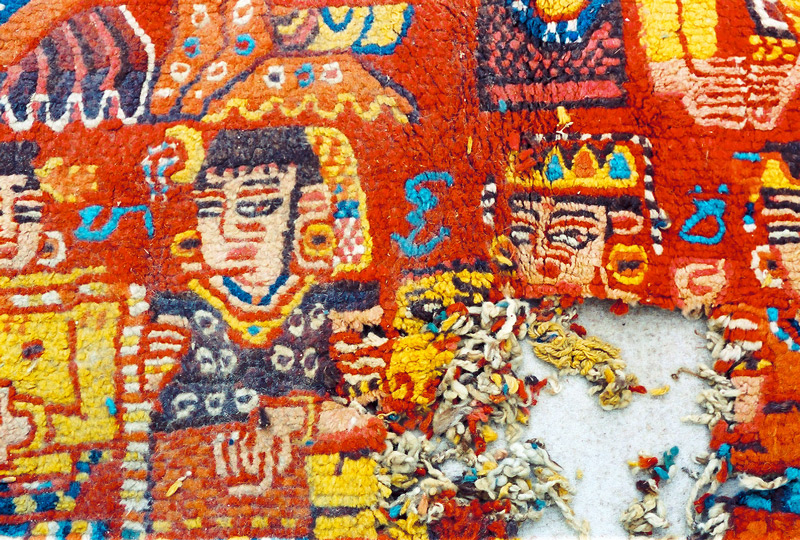
2. The Spread of Iranian Jewelry Designs and Techniques
As Iranian jewelry traveled along the Silk Road, its distinctive craftsmanship and aesthetic traditions influenced jewelry-making in many of the regions along the route. Likewise, Persian artisans were exposed to foreign designs, materials, and techniques, leading to a fusion of artistic styles.
Achaemenid Empire: Persian Symbols and Motifs
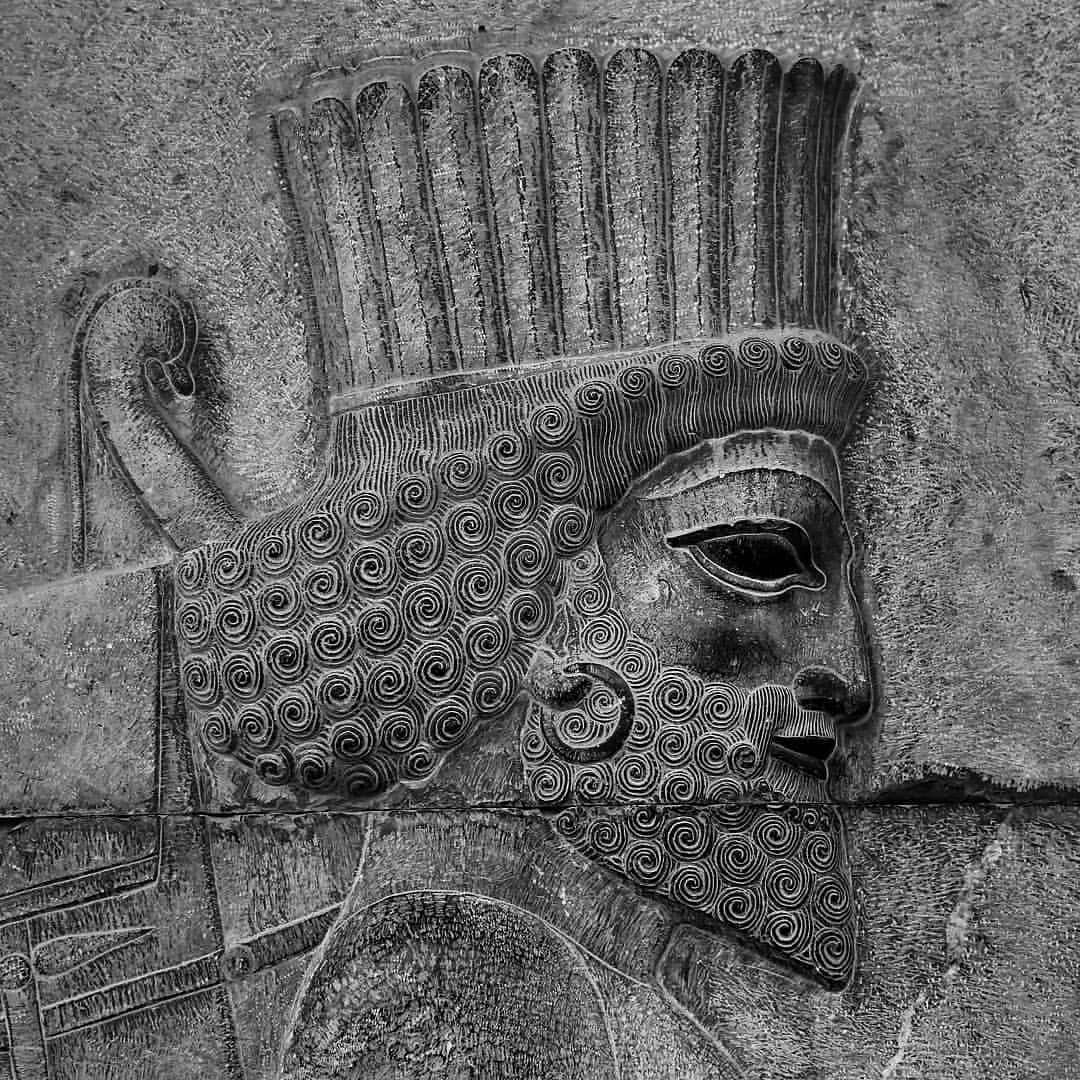
During the Achaemenid Empire (550–330 BCE), Persian jewelry featured highly symbolic motifs representing royalty, power, and divine protection, such as the Faravahar, lion, and griffin. These motifs traveled alongside Persian traders and influenced the designs of neighboring civilizations, including Mesopotamia, Anatolia, and Greece.
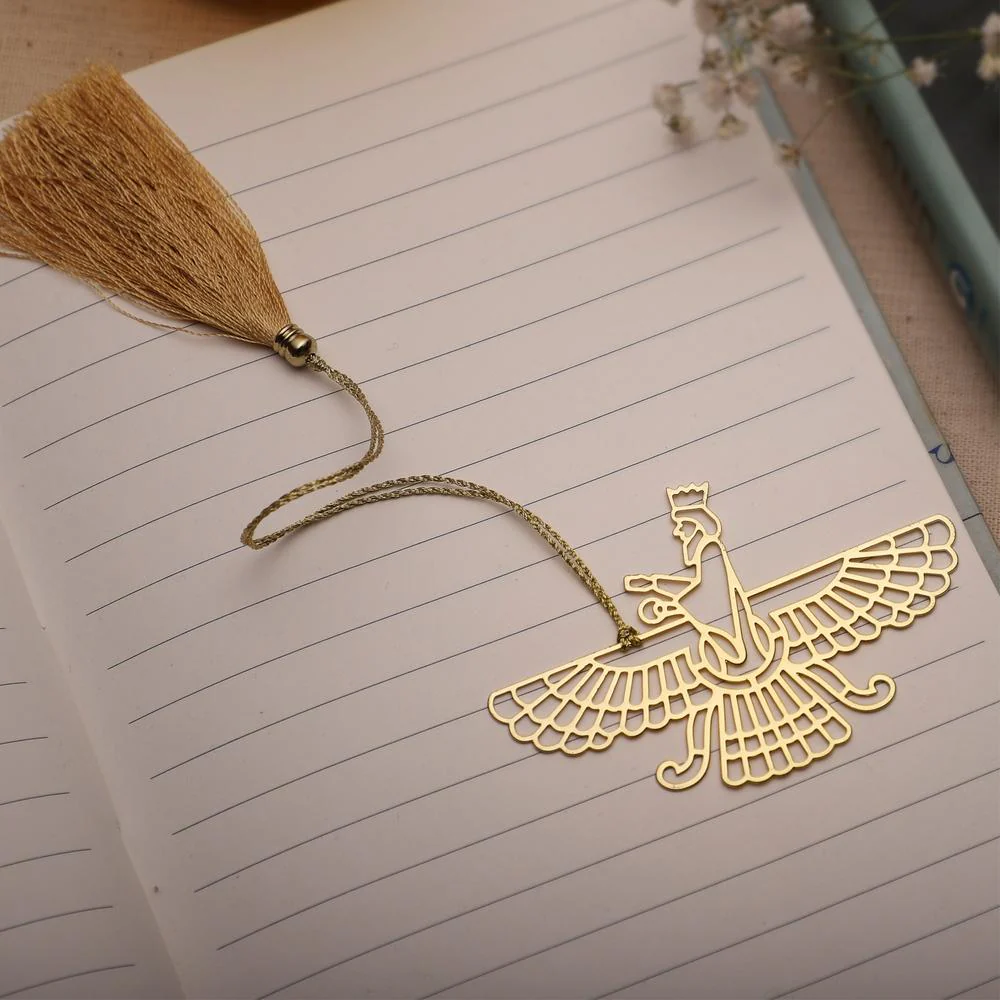
- Faravahar Pendants: The Faravahar, a symbol of Zoroastrianism, became a key motif in Persian jewelry and was carried across the Silk Road to regions as far as Egypt and Greece. It symbolized divine guidance and the eternal soul, and its depiction in jewelry made it a spiritual talisman worn by both Persian nobles and foreign rulers.
- Lion and Griffin Symbols: These powerful symbols of strength and protection were often incorporated into bracelets, rings, and brooches. As Persian jewelry spread westward, these motifs were adopted by Greco-Roman cultures and can be found in the jewelry of Anatolia and the Levant.
Parthian Empire: Influence of Hellenistic and Central Asian Styles
During the Parthian Empire (247 BCE–224 CE), Persian jewelry became heavily influenced by the Hellenistic style, which the Parthians encountered after Alexander the Great’s conquest of Persia. Parthian jewelry was characterized by a fusion of Greek realism with Persian symbolism, and this artistic exchange was further enhanced by Central Asian influences from the Silk Road.
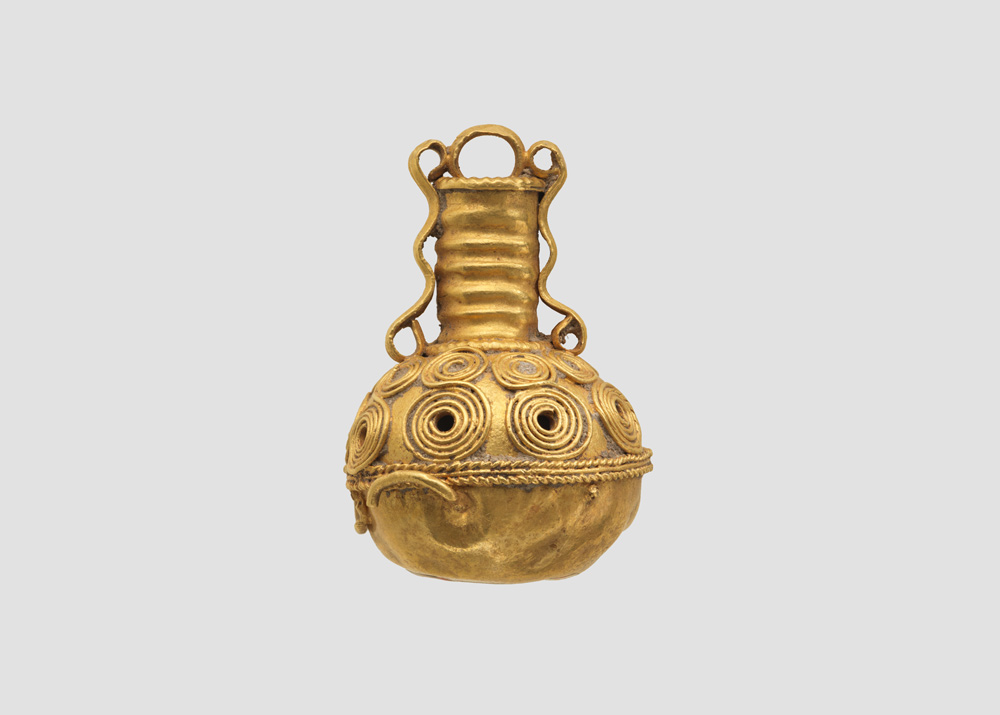
- Gemstone Adornments: Parthian jewelry was known for its use of gemstones, such as emeralds, garnets, and sapphires, which were sourced from trade networks across Central Asia and India. These gemstones, along with Persian metalworking techniques, became popular along the Silk Road and influenced the designs of jewelry in Bactria and the Kushan Empire.
- Greek and Persian Fusion: The Parthians adopted Greek motifs, such as mythological figures and naturalistic forms, and blended them with Persian designs. Jewelry like gold diadems and bracelets reflected this synthesis, making Parthian jewelry distinctive in its blend of East-West artistry.
Sasanid Empire: Spirituality and Ornate Craftsmanship
The Sasanid Empire (224–651 CE) saw the development of some of the most elaborate and luxurious jewelry in Persian history, influenced by the Sassanid court’s emphasis on Zoroastrian spirituality and royal authority. Sassanid jewelry traveled far and wide along the Silk Road, with its designs influencing both Byzantine and Chinese jewelry.
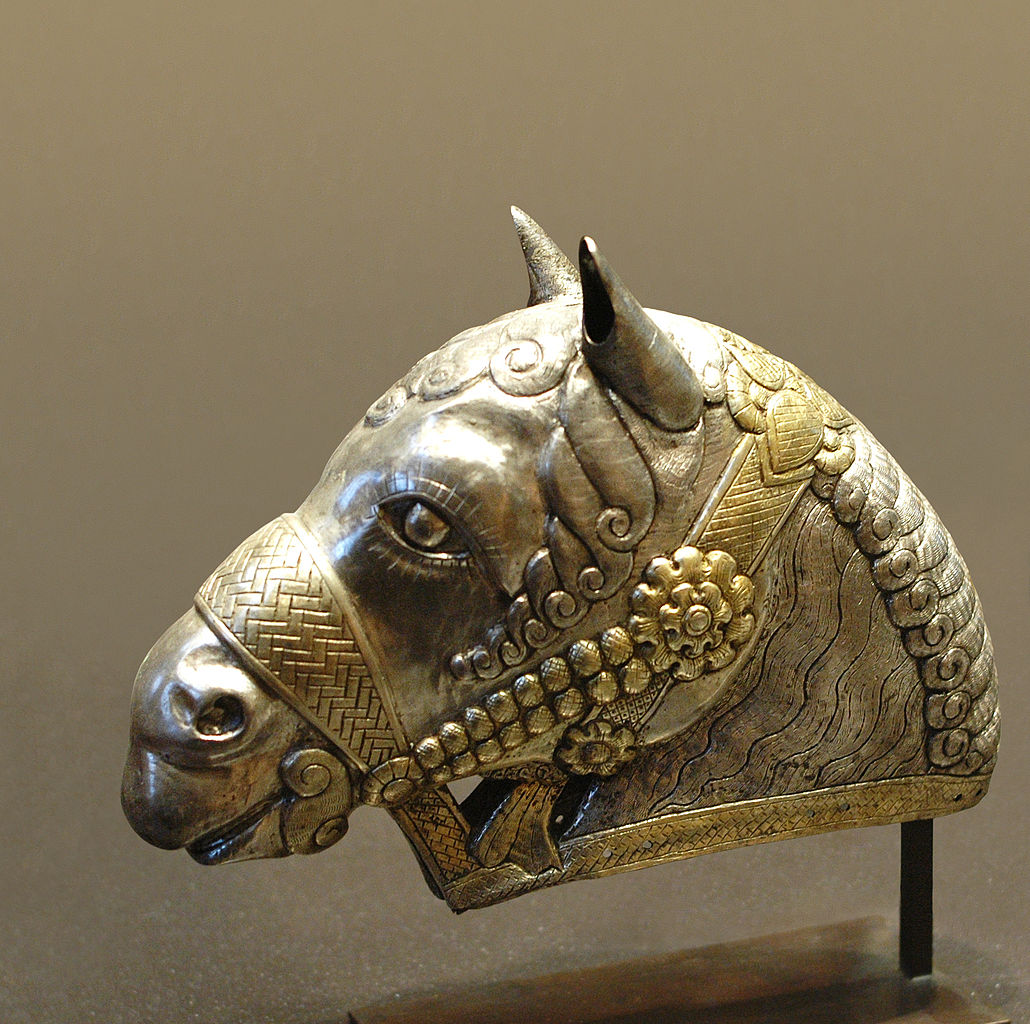
- Sun and Fire Motifs: Sassanid jewelry often featured Zoroastrian symbols, such as the sun and fire, which represented divine light and spiritual purity. These symbols were carried along the Silk Road and influenced the iconography of Byzantine and Central Asian jewelry, where similar spiritual motifs appeared.
- Elaborate Crowns and Pendants: The Sassanid royal court was known for its ornate crowns and pendants encrusted with pearls, turquoise, and rubies. These luxurious items were highly coveted in the Mediterranean and China, influencing local artisans to incorporate precious stones and detailed metalwork into their designs.
3. Cultural and Material Exchange Through the Silk Road
In addition to influencing jewelry designs across regions, the Silk Road facilitated the exchange of materials and techniques, allowing Persian jewelers to access a wider variety of precious metals and gemstones. This exchange enriched Iranian jewelry-making, enhancing its variety and artistic diversity.
Gemstones from the East and West
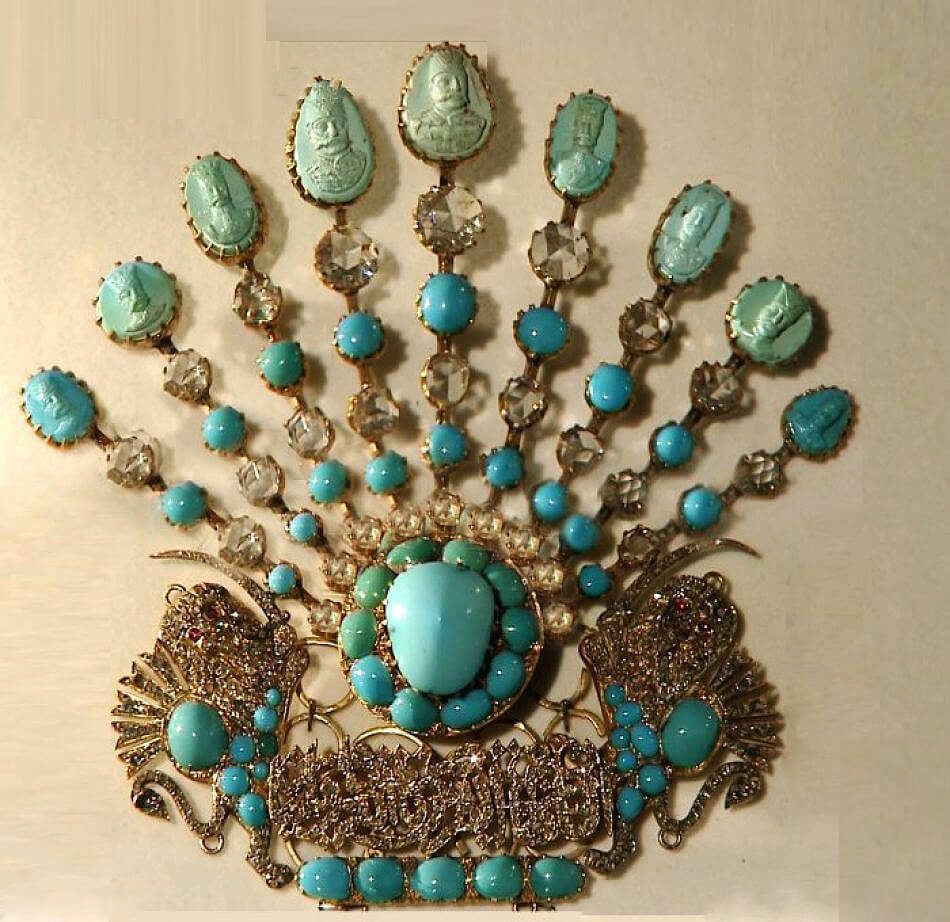
The Silk Road served as a conduit for precious gemstones and materials, such as turquoise, lapis lazuli, agate, sapphires, and pearls, which were traded across continents. Persian jewelers were able to incorporate these exotic materials into their designs, creating jewelry that reflected the richness of global trade.
- Turquoise from Neyshabur: Iranian turquoise, particularly from the Neyshabur mines, was a prized commodity traded along the Silk Road. Known for its intense blue hue, Neyshabur turquoise was highly valued in China and India, where it was used in jewelry and religious objects.
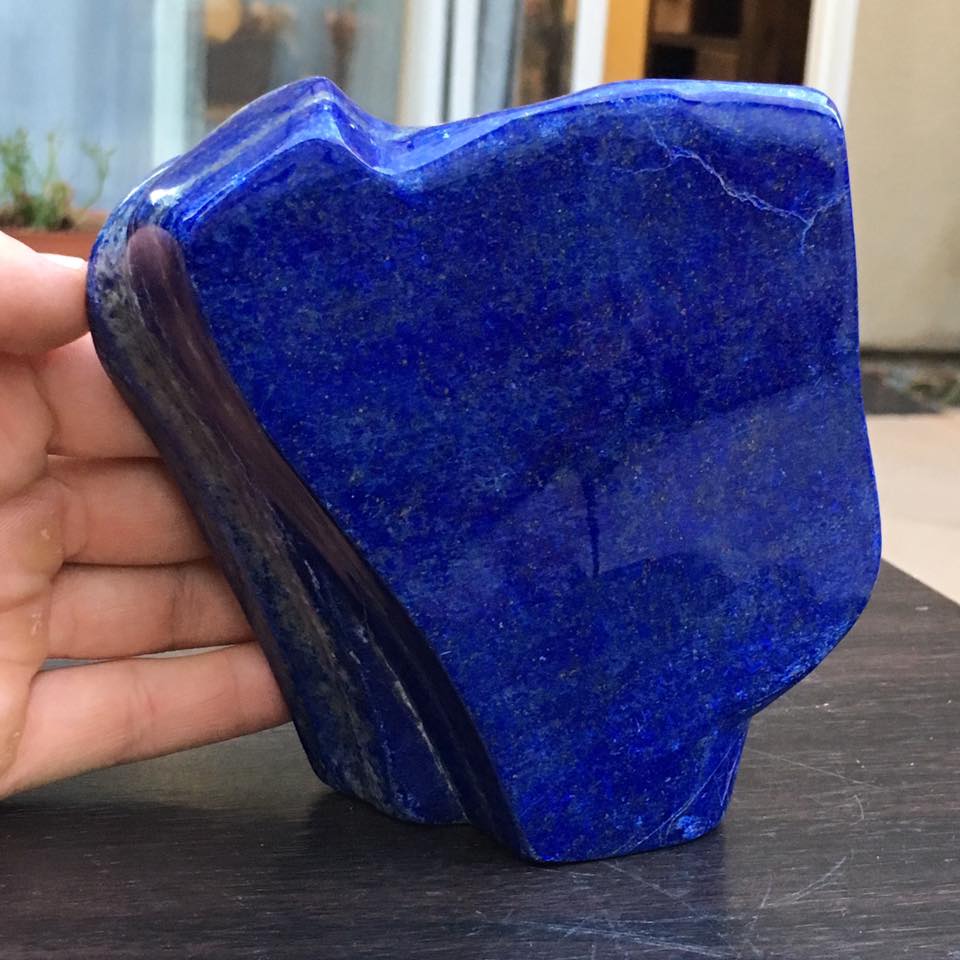
- Lapis Lazuli from Afghanistan: Lapis lazuli, mined in Afghanistan, was transported along the Silk Road and became a key material in Sassanid jewelry. Its deep blue color, often accented with gold, made it a favorite among Persian royalty and also influenced jewelry-making in Egypt, Greece, and Rome.
Techniques and Craftsmanship
The exchange of artisanal techniques along the Silk Road also contributed to the evolution of Persian jewelry. Persian jewelers adopted methods from other cultures, such as granulation, inlay work, and filigree, which originated in the Mediterranean and Central Asia.
- Inlay and Filigree: Persian artisans adopted the inlay techniques of Central Asia, particularly from the Kushan Empire, using them to set gemstones into intricate designs. Similarly, the filigree work of Roman and Byzantine artisans influenced the creation of delicate metal patterns in Persian jewelry, leading to more elaborate and ornate pieces.
- Goldsmithing Techniques: Persian goldsmiths were known for their expertise in working with gold and silver, creating fine details in bracelets, rings, and pendants. The exchange of techniques with artisans from India and China along the Silk Road further enriched Persian jewelry-making practices.
4. The Legacy of Persian Jewelry in the Global Market
The cultural and artistic exchange facilitated by the Silk Road has left a lasting legacy in the world of jewelry-making. Many of the design elements, symbols, and techniques pioneered by Persian artisans have continued to influence jewelry across the globe. Today, Iranian jewelry remains a testament to this rich history of cultural fusion and craftsmanship.
Modern Influence
The influence of Iranian jewelry can be seen in the designs of modern Mediterranean, Indian, and Central Asian jewelry, which often feature Persian motifs and artisanal techniques. Likewise, contemporary Iranian jewelers continue to draw inspiration from the ancient empires, creating pieces that reflect the artistic heritage passed down through the centuries.
- Faravahar and Zoroastrian Symbols: Persian motifs like the Faravahar and fire symbols are still used in modern Iranian jewelry, symbolizing spiritual strength and protection. These designs, which traveled along the Silk Road, remain iconic in both traditional and contemporary jewelry.
- Turquoise and Lapis Lazuli: The use of turquoise and lapis lazuli, both highly valued on the Silk Road, continues to be a defining feature of Persian jewelry. These stones, associated with protection and royalty, have become timeless symbols of Persian craftsmanship.
Conclusion: A Timeless Journey of Artistry
The Silk Road played an essential role in the dissemination of Iranian jewelry across ancient civilizations, allowing Persian artisans to share their craftsmanship, symbols, and designs with the world. This exchange not only enriched Persian jewelry but also influenced the art of jewelry-making in Greece, Rome, India, and China.
Today, the legacy of Iranian jewelry lives on, with contemporary designers continuing to draw inspiration from the ancient empires that once dominated the Silk Road. At LetsGoYelo, we celebrate this rich history by offering handcrafted Persian jewelry that reflects the timeless artistry of Iran’s Silk Road heritage. Explore our collection and discover the journey of Persian craftsmanship through the ages.