
A Guide to Persian Jewelry Terminology: Breaking Down Common Terms for International Buyers
Persian jewelry is celebrated for its rich history, intricate designs, and unique craftsmanship. For international buyers seeking to understand and appreciate Iranian jewelry, it’s helpful to become familiar with the terminology used in the industry. Whether you’re buying traditional gold pieces, delicate filigree, or intricate enamel work, knowing these terms will enhance your understanding and allow you to make more informed purchases.
This guide breaks down the key Persian jewelry terms commonly used by jewelers, artisans, and collectors, providing insight into the materials, techniques, and cultural significance behind each term.
1. Turquoise (فیروزه – Firouzeh)
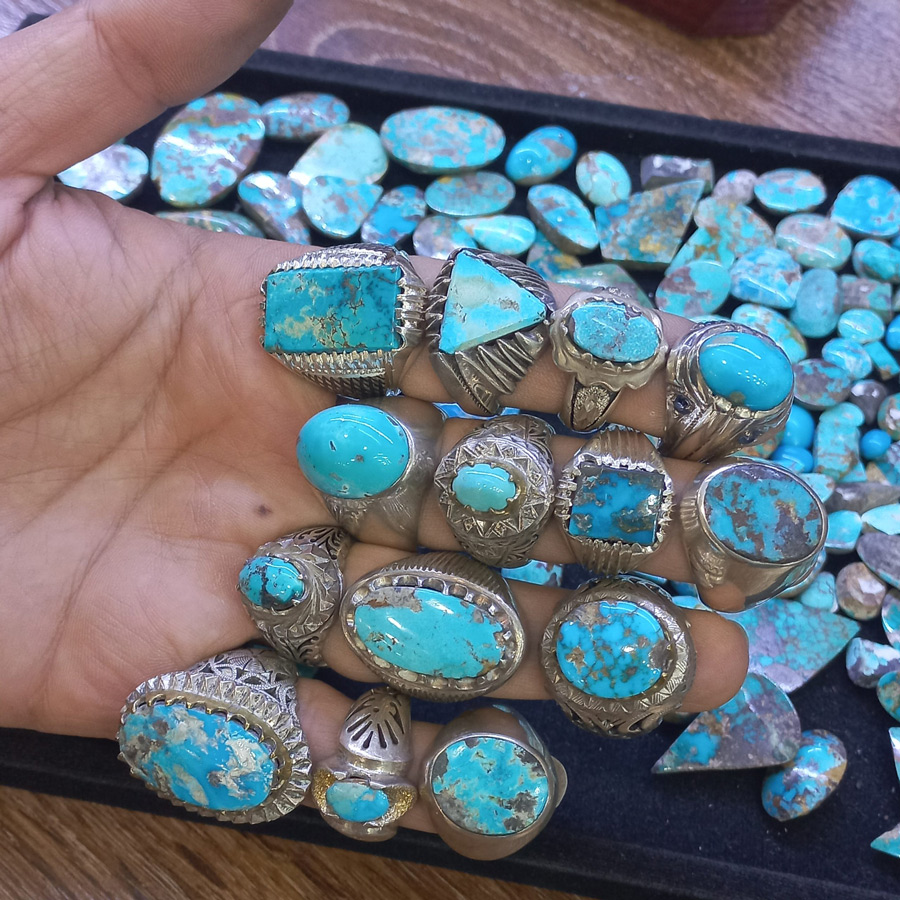
One of the most famous materials in Persian jewelry is turquoise, particularly from the Neyshabur mines in Iran. Known for its striking blue color, Persian firouzeh is highly valued for its beauty and spiritual significance. It is believed to bring protection, good fortune, and spiritual balance to the wearer.
- Neyshabur Turquoise: The highest quality turquoise comes from the Neyshabur region, often referred to as “robin’s egg blue” due to its pure, vivid color.
- Matrix: The matrix refers to the natural veining in turquoise, which can range from brown to black. Spiderweb matrix is particularly prized for its delicate, net-like appearance.
2. Filigree (ملیلهکاری – Malileh Kari)
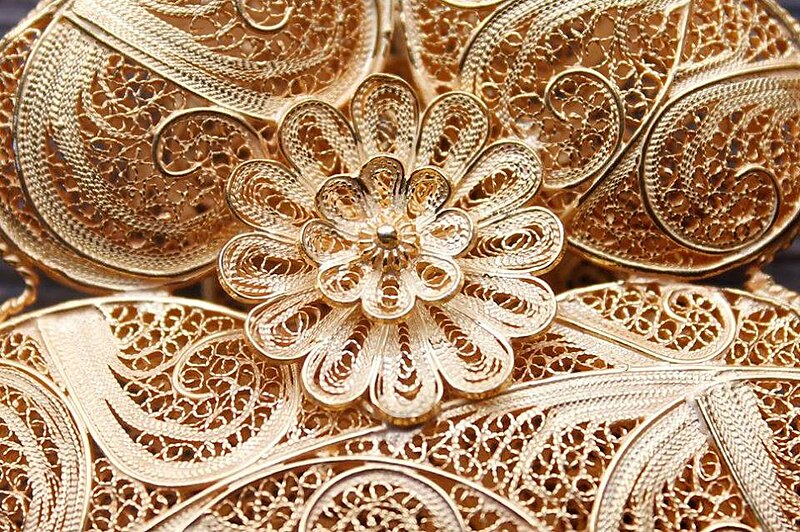
Filigree is a traditional Persian jewelry-making technique that involves twisting and shaping thin metal threads (usually silver or gold) into intricate patterns. The delicate and lace-like designs of malileh kari are often used in earrings, rings, and bracelets to create a refined and elegant aesthetic.
- Silver Filigree: Persian jewelers often use silver for filigree work due to its flexibility and ability to hold intricate designs.
- Gold Filigree: Gold filigree is typically used in high-end jewelry pieces, especially in wedding and bridal jewelry.
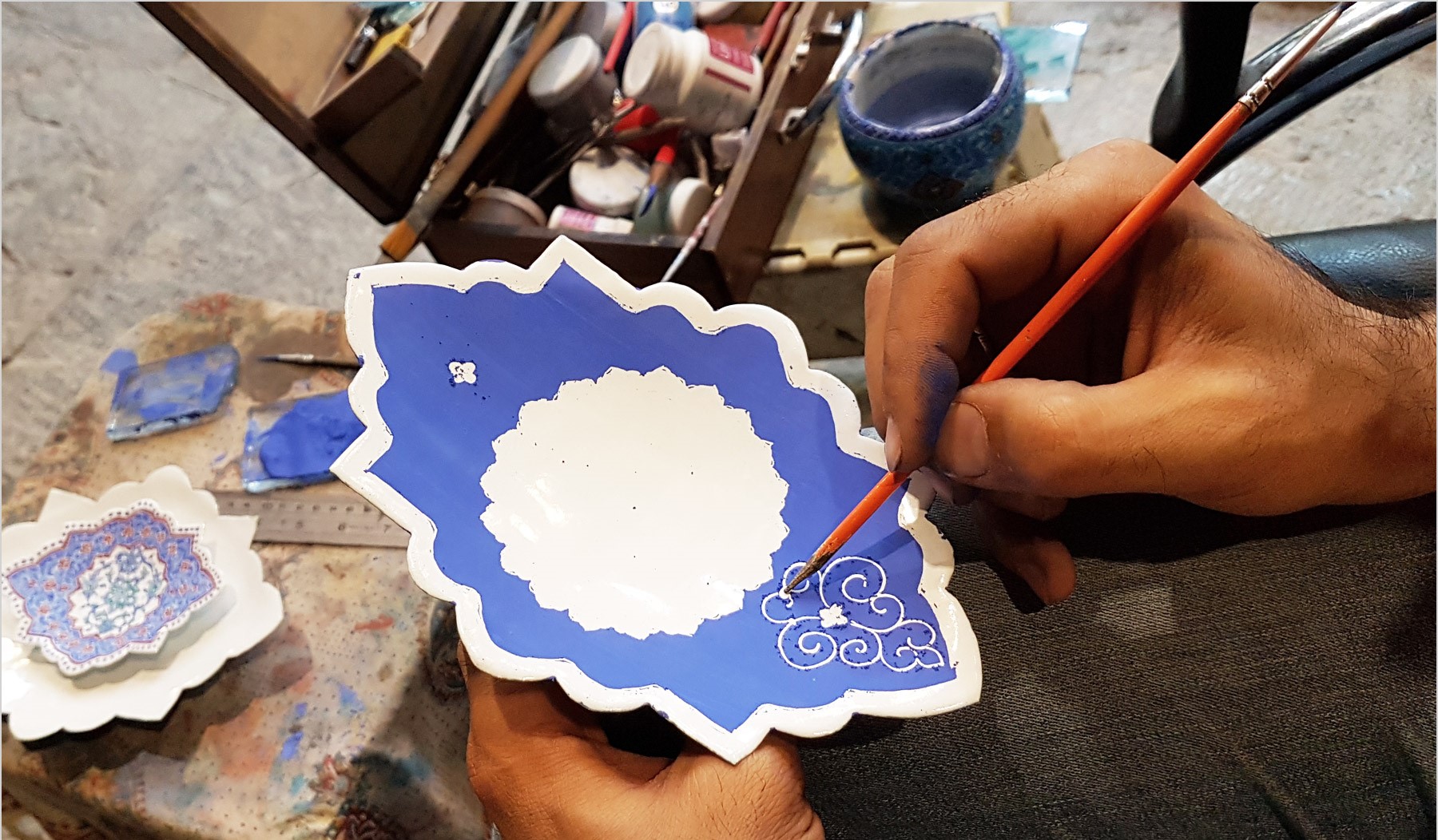
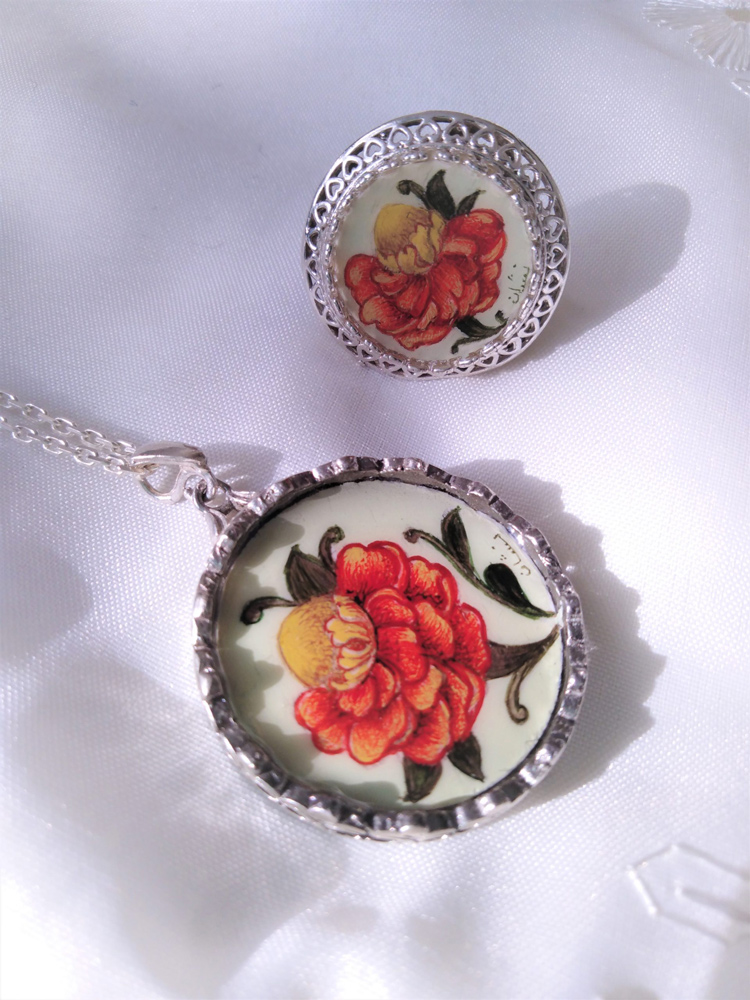
3. Minakari (میناکاری – Enamel Work)
Minakari is the ancient Persian art of enamel work, where powdered glass is applied to the surface of metals like gold, silver, or copper and then heated to create a smooth, colorful finish. The technique is commonly used in pendants, brooches, and bracelets, often depicting floral motifs, birds, or geometric designs.
- Minakari on Silver: Minakari is often applied to silver jewelry, creating vibrant colors that stand out against the metal.
- Colorful Enamel: Traditional minakari features bright colors like blue, red, green, and yellow, which symbolize the vibrant nature of Persian art.
4. Khatamkari (خاتمکاری – Inlay Work)
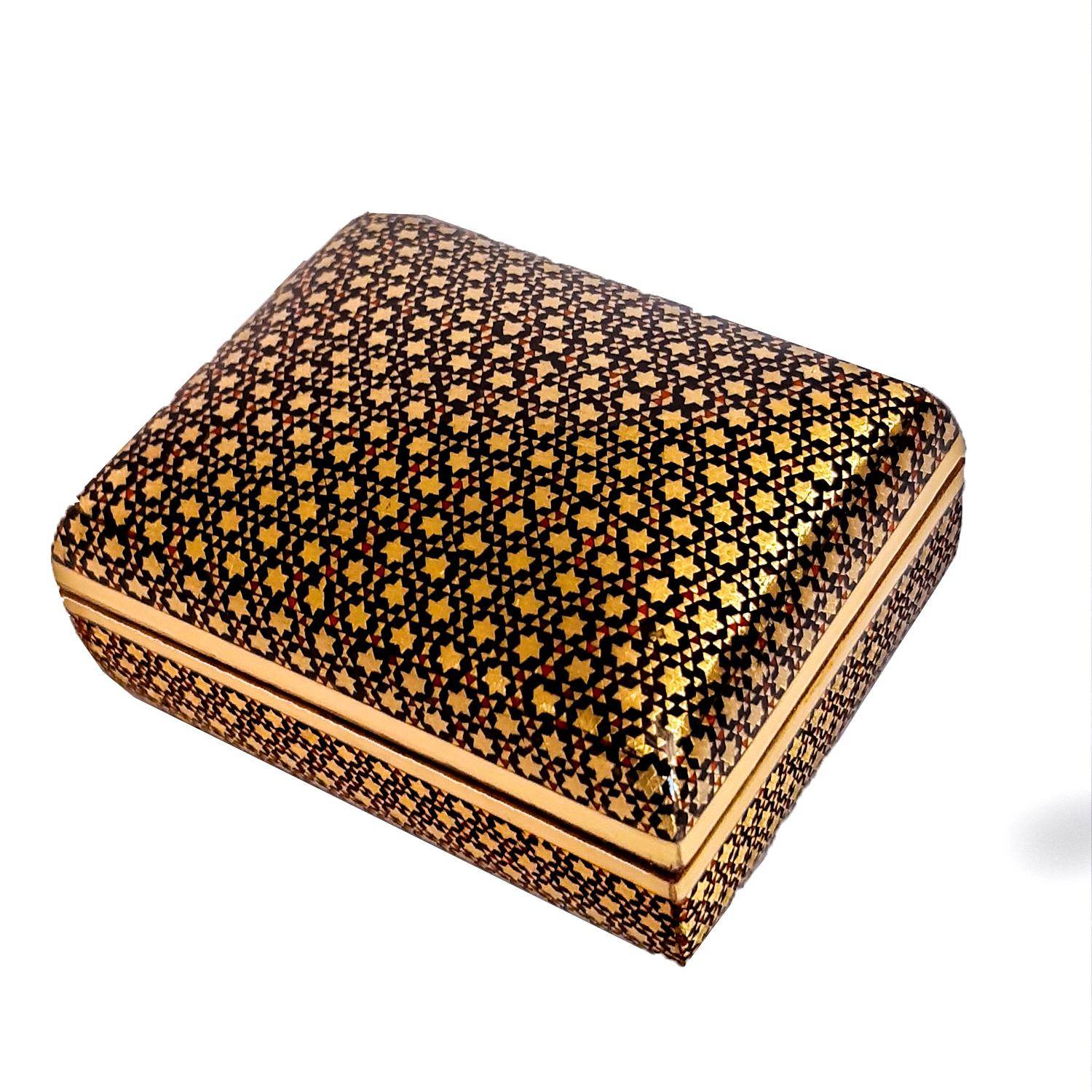
Khatamkari is an intricate inlay technique often seen in Persian decorative arts and sometimes applied to jewelry. This method involves inlaying small pieces of materials such as wood, ivory, bone, or metal into the surface of objects to create complex geometric patterns.
- Khatam Jewelry: Though more commonly associated with decorative objects, khatam inlay work is sometimes used in pendants or bracelets, combining different materials to form intricate designs.
- Geometric Patterns: Khatam jewelry typically features geometric motifs, such as hexagons and stars, reminiscent of Persian carpets.
5. Talah Kari (طلاکاری – Goldsmithing)
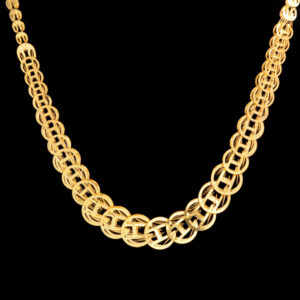
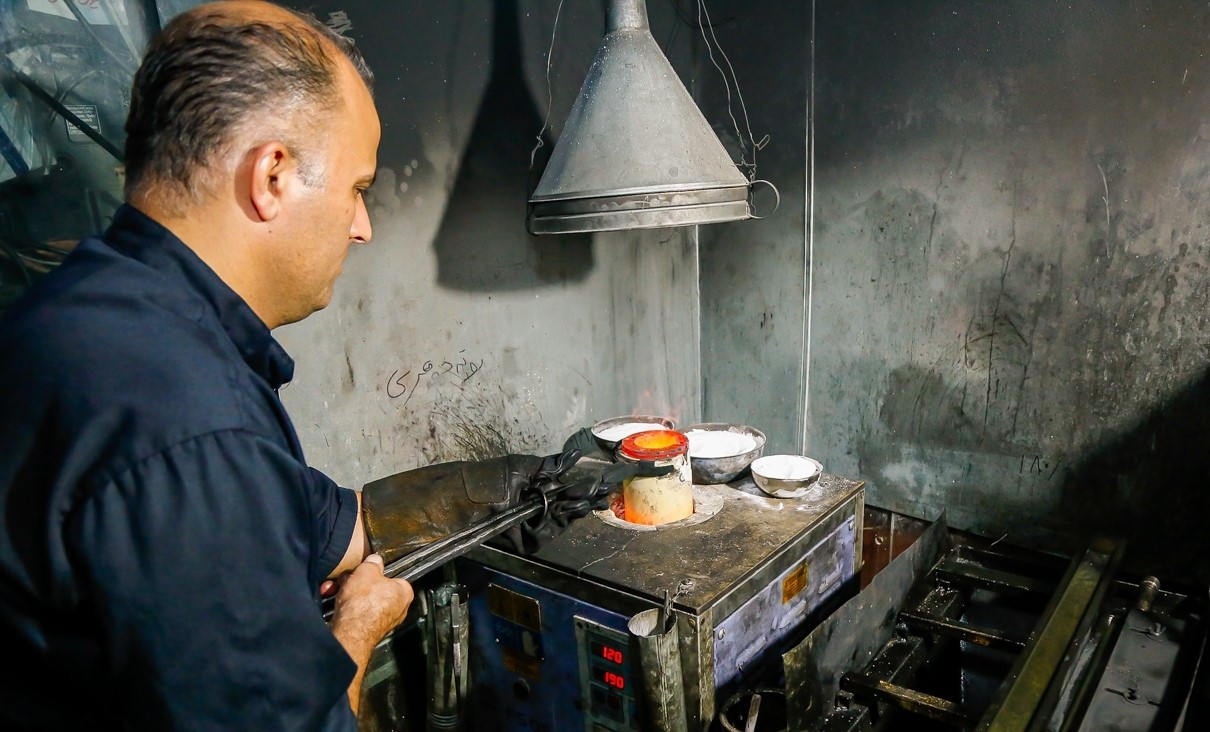
Talah Kari refers to the art of goldsmithing in Persian jewelry, a craft that has been refined over centuries. Gold has traditionally been the metal of choice for high-end Persian jewelry, especially in the making of wedding rings, bracelets, and necklaces. Persian gold jewelry is known for its intricate designs and delicate details, often inspired by nature and mythology.
- 22K Gold: Persian gold jewelry often uses 22-karat gold, known for its rich color and softness, making it easier to craft into elaborate designs.
- Gold Coins (سکه – Sekkeh): In many traditional Persian jewelry pieces, gold coins are incorporated into necklaces or bracelets, symbolizing wealth and prosperity.
6. Qalam Zani (قلم زنی – Metal Engraving)
Qalam Zani is the Persian art of metal engraving, where detailed patterns and images are carved into silver, gold, or copper using a chisel-like tool called a qalam. This technique is often used to create intricate designs on bracelets, rings, and pendants, making each piece unique and richly detailed.
- Silver Engraving: Persian engravers often work with silver due to its softness, which allows for detailed, intricate patterns to be etched into the metal.
- Floral and Geometric Designs: Common motifs in qalam zani include floral patterns, Persian poetry, and geometric shapes inspired by Islamic art.
7. Dastsaaz (دست ساز – Handmade)
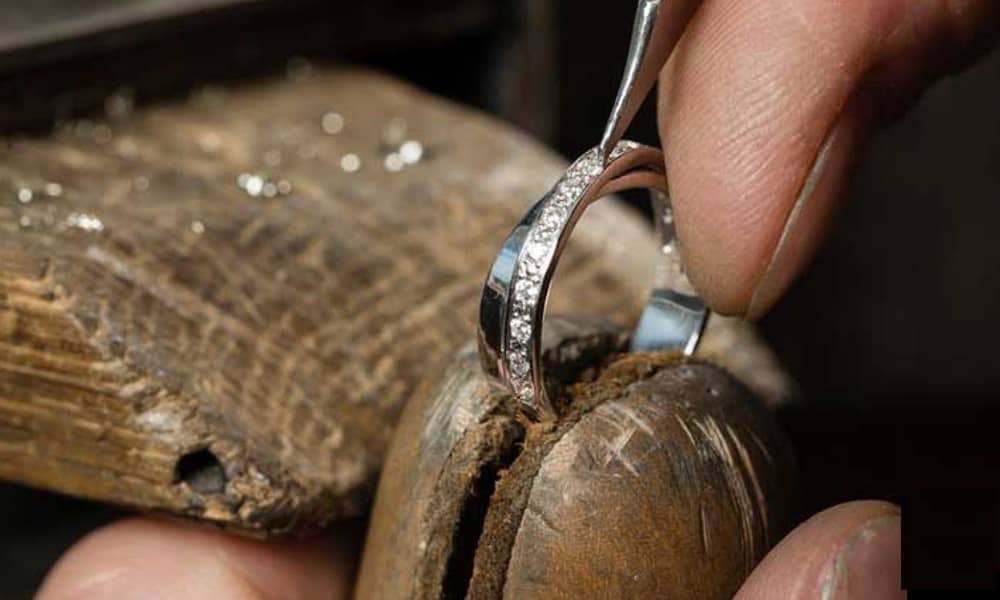
Dastsaaz refers to handmade jewelry, an important term in Persian jewelry making, where craftsmanship and attention to detail are highly valued. Persian handmade jewelry often showcases the skill and artistry of the jeweler, with each piece reflecting the unique traditions and techniques passed down through generations.
- Handmade vs. Machine-made: Dastsaaz jewelry is typically more sought after than machine-made pieces due to the personal touch and authenticity it carries.
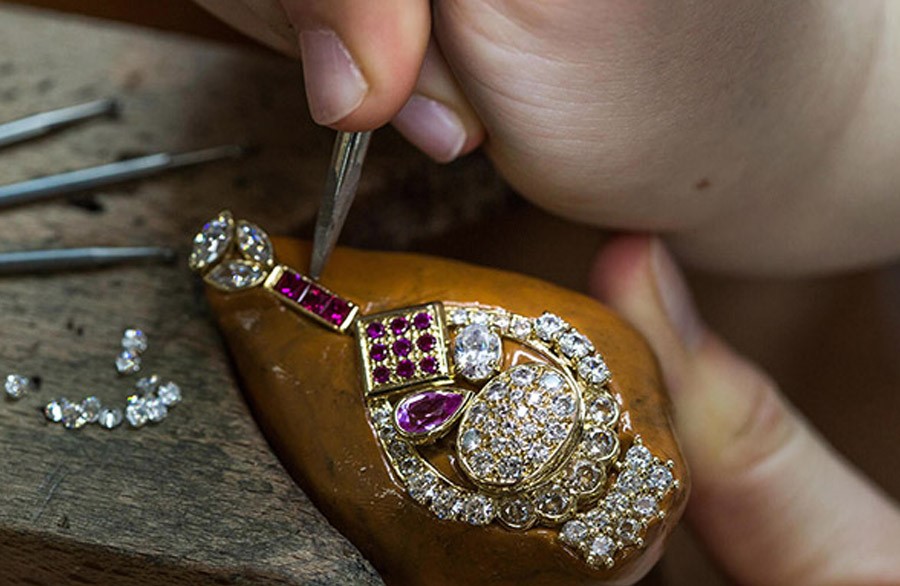
8. Negar Gari (نگارکاری – Embellishment or Decoration)
Negar Gari is the art of embellishing or decorating jewelry pieces with intricate designs, often including engraving, gemstones, or colorful enamels. Persian jewelry is known for its exquisite detailing, which often features cultural motifs, calligraphy, or floral patterns that carry symbolic meaning.
- Floral Embellishments: Persian jewelry often incorporates delicate flower motifs like roses or lotus flowers, which symbolize love and purity.
- Stone Inlay: Negar kari may also refer to the technique of setting gemstones like turquoise, carnelian, or emeralds into the metal, adding both beauty and symbolism to the piece.
9. Gohar (گوهر – Gemstone)
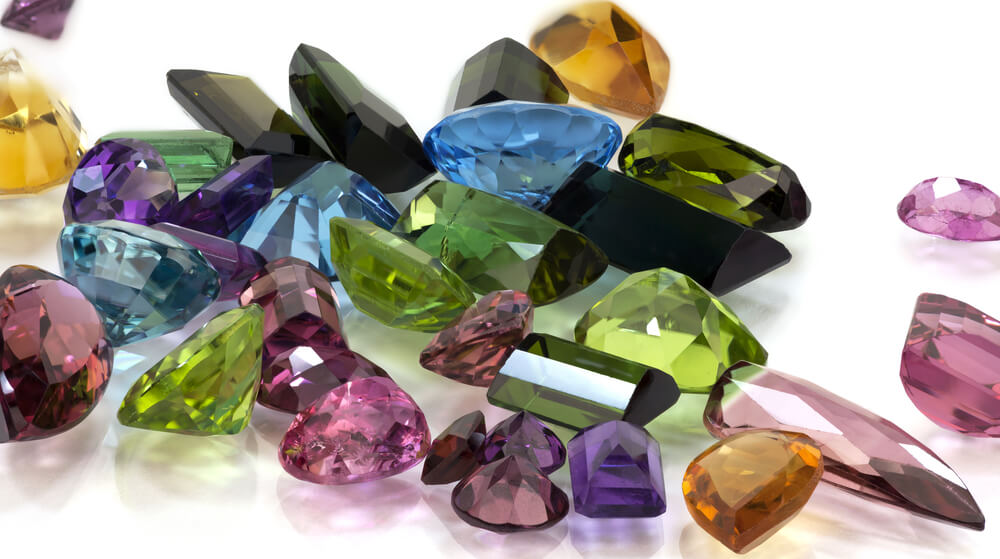
Gohar means gemstone, and it refers to the precious and semi-precious stones commonly used in Persian jewelry. Iran is known for producing high-quality gemstones, and many pieces of Persian jewelry feature these stones as focal points.
- Turquoise (فیروزه – Firouzeh): As mentioned, turquoise is one of the most famous stones in Persian jewelry.
- Carnelian (عقیق – Aqiq): Another popular stone, carnelian is believed to bring protection and strength to the wearer.
- Lapis Lazuli (لاجورد – Lajvard): This deep blue stone has been used in Persian jewelry for centuries and is valued for its rich color and spiritual significance.
10. Haft Rang (هفت رنگ – Seven Colors)
Haft Rang, which means seven colors, refers to the vibrant palette used in Persian jewelry and enamel work. Persian jewelers often use a combination of colors, particularly in minakari (enamel work), to create intricate and eye-catching designs.
- Color Symbolism: Each color has its significance in Persian culture. Blue represents spirituality and protection, red symbolizes passion, and green is associated with growth and nature.
Conclusion: The Language of Persian Jewelry
Understanding Persian jewelry terminology allows international buyers to fully appreciate the cultural significance, craftsmanship, and symbolic meaning behind each piece. Whether you’re investing in a turquoise ring, admiring the delicate work of filigree, or exploring the vibrant colors of minakari, knowing these key terms will deepen your connection to Iranian jewelry.
At LetsGoYelo, we offer a wide range of Persian jewelry that reflects the rich traditions and artistry of Iranian culture. Explore our collection and use your newfound knowledge to select the perfect piece that resonates with you!