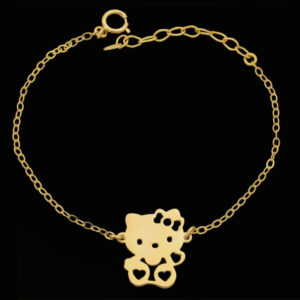

Persian Floral Motifs in Jewelry Design: Exploring the Beauty of Persian Art in Jewelry
Persian art has a long tradition of incorporating floral motifs, symbolizing beauty, life, and eternity. These intricate patterns, seen in Persian carpets, miniature paintings, architecture, and other decorative arts, have also found their way into jewelry design. The floral designs used in Persian jewelry often reflect the natural beauty of gardens, flowers, and vines, which have long been central themes in Persian culture. From delicate rose patterns to elegant lotus flowers, these motifs carry deep symbolic meaning while adding elegance and grace to every piece of jewelry.
In this article, we explore how Persian floral motifs are incorporated into jewelry design, highlighting these timeless patterns’ artistry, craftsmanship, and cultural significance.
1. The Symbolism of Flowers in Persian Culture
In Persian culture, flowers are not merely decorative elements; they hold significant symbolic meaning and are deeply connected to life, renewal, beauty, and spirituality. The tradition of Persian gardens, or paradise gardens (باغ ایرانی, Bagh-e Irani), is central to Persian art and culture, and the flowers depicted in Persian jewelry are often drawn from these natural settings.
Common Flowers and Their Meanings
- Roses (گل سرخ – Gol-e Sorkh): Roses are one of the most prominent motifs in Persian art, symbolizing love, beauty, and purity. In Persian poetry, the rose is often associated with the beloved, and its delicate petals are a metaphor for fleeting beauty and life.
- Lotus (نیلوفر – Niloufar): The lotus flower symbolizes eternity, purity, and spiritual awakening. In both Persian art and Zoroastrian symbolism, the lotus is associated with rebirth and the transcendence of the soul.
- Cypress Trees (سرو – Sarv): While not a flower, the cypress tree is a common motif in Persian gardens and symbolizes eternity and resilience. In jewelry, cypress motifs often accompany floral patterns to represent life’s endurance and spiritual growth.
- Vines and Leaves: Vines represent growth, continuity, and the interconnectedness of life. They often accompany floral motifs in Persian jewelry, creating flowing, organic designs that reflect the natural beauty of Persian gardens.
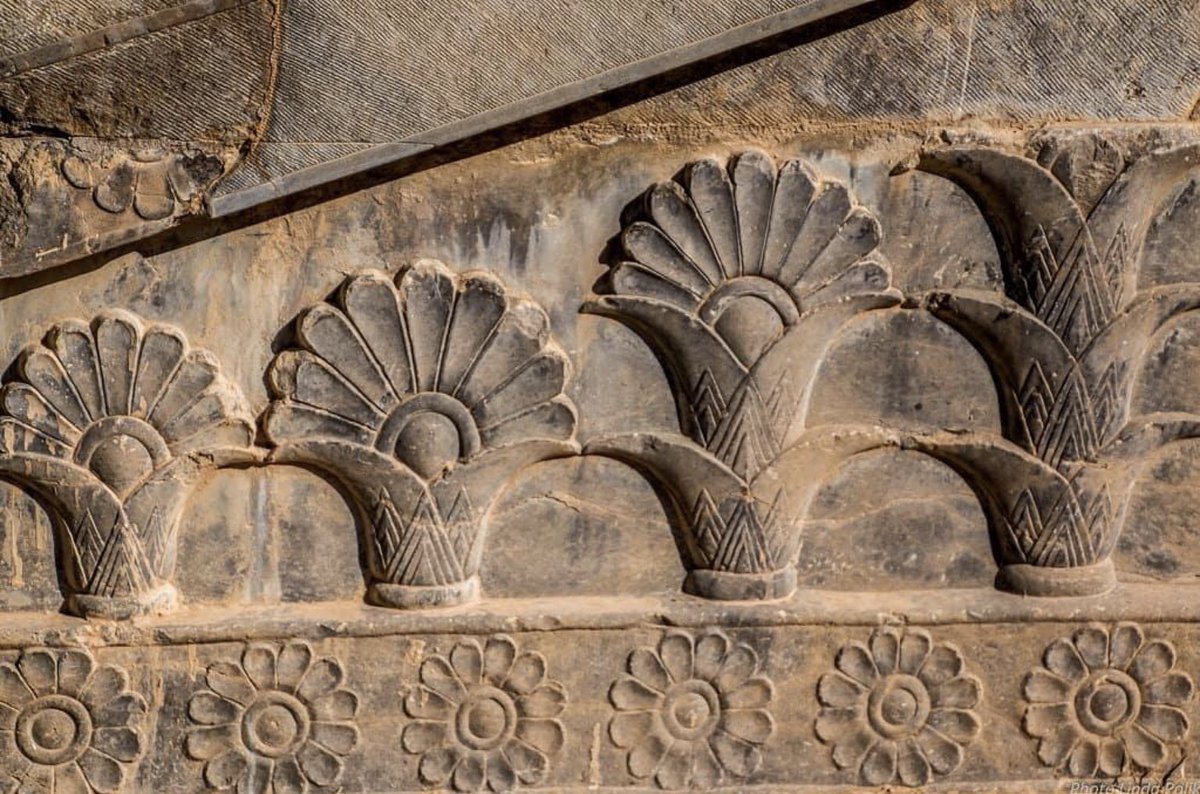
2. Persian Floral Motifs in Jewelry Design
The floral patterns that have adorned Persian carpets, ceramics, and miniatures for centuries are also seen in Persian jewelry. These designs are often delicately crafted into gold, silver, or precious metals, forming beautiful pieces that blend artistry with cultural significance.
Gold and Silver Filigree Flowers
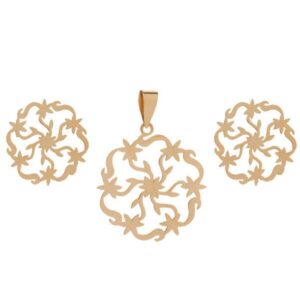
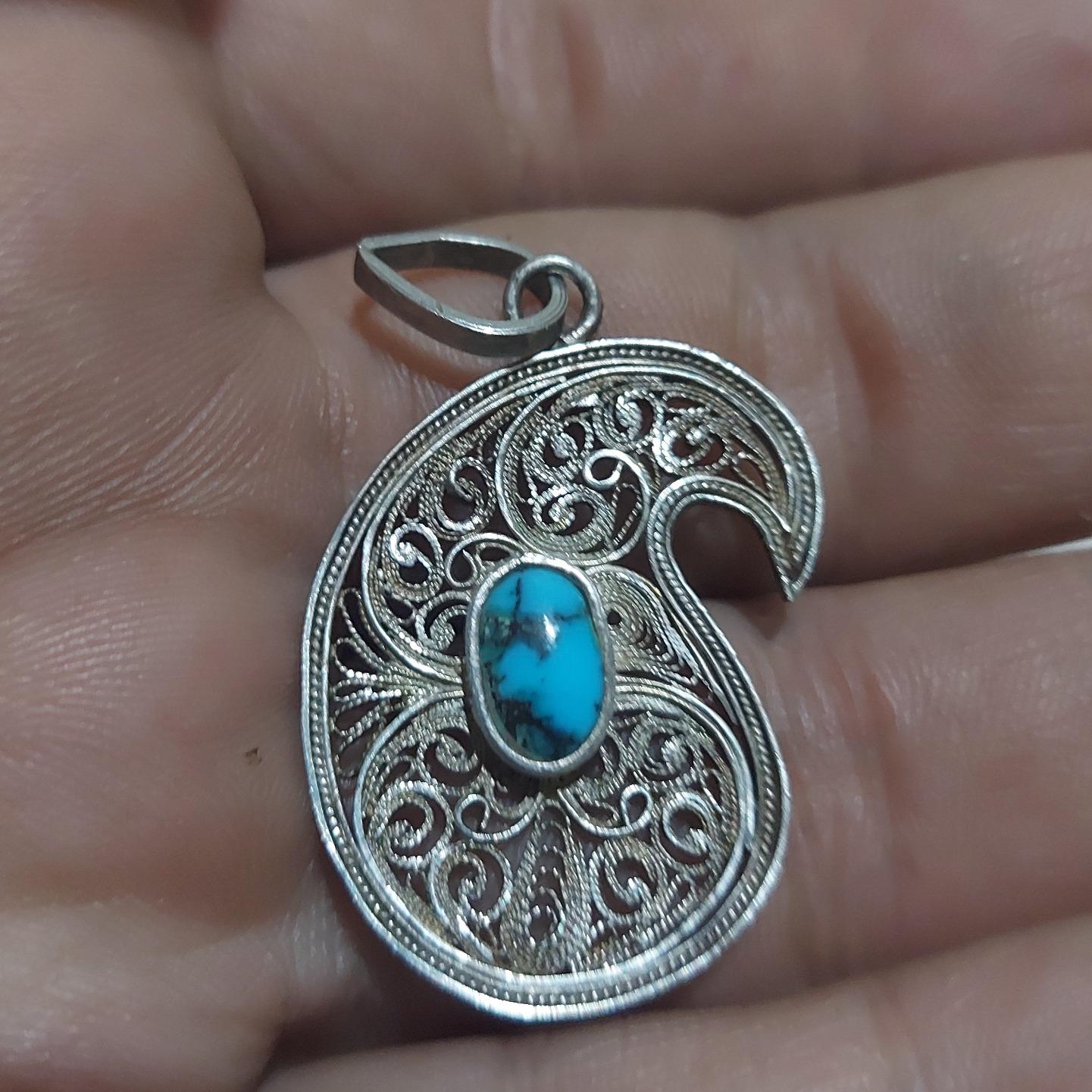
One of the most intricate and delicate techniques used to create floral motifs in Persian jewelry is filigree work. Filigree involves twisting fine metal threads—usually gold or silver—into elaborate patterns that resemble lace. Persian filigree jewelry often features floral designs, with roses, vines, and petals forming the centerpiece of the jewelry.
- Filigree Earrings: Earrings designed with gold filigree often feature small rose motifs or lotus flowers, creating a lightweight yet intricate design that exudes elegance.
- Necklaces and Pendants: Filigree necklaces incorporate floral patterns into their chains and pendants, with designs that are reminiscent of Persian gardens, symbolizing beauty and grace.
Engraving and Etching in Persian Jewelry
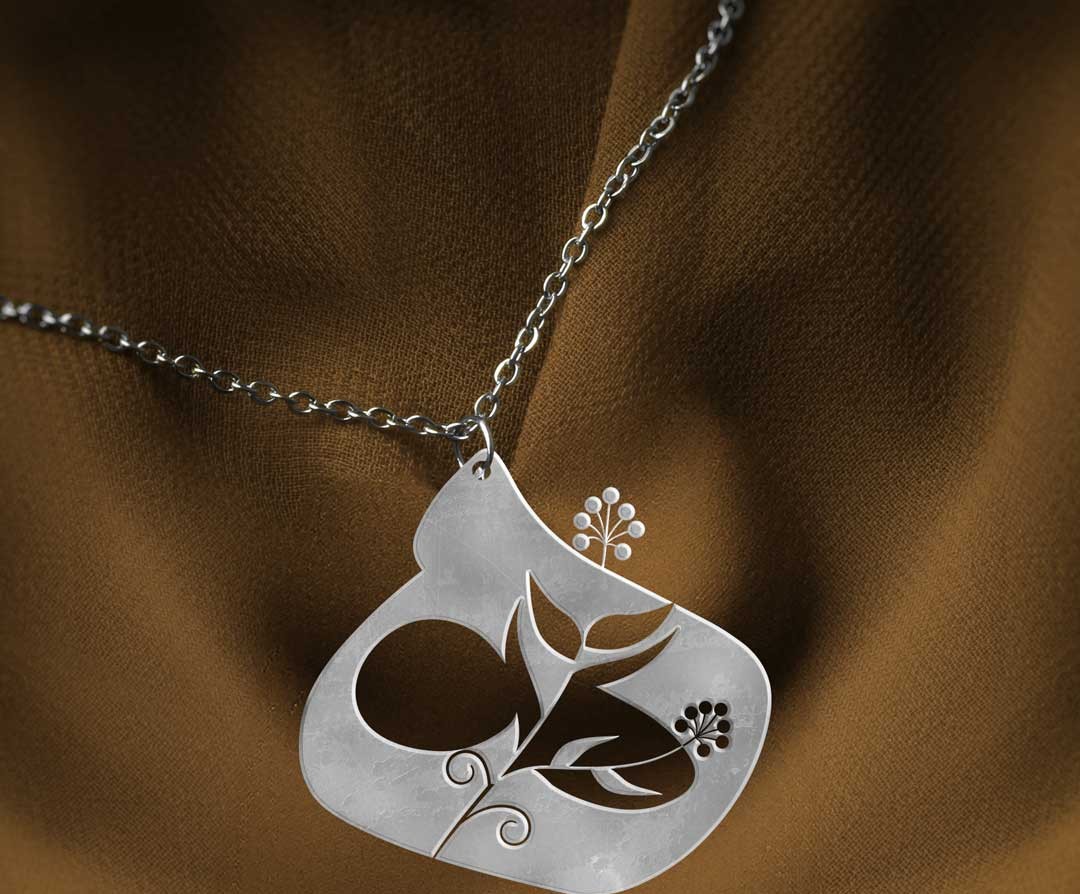
Another common technique for incorporating floral motifs into Persian jewelry is through engraving or etching. Jewelers use qalam zani (قلم زنی), a traditional Persian technique of metal engraving, to create delicate floral patterns on rings, bracelets, and other pieces.
- Engraved Bracelets: Silver or gold bracelets often feature engraved roses, lotus flowers, or vine patterns, creating a continuous flow of floral designs that wrap around the wearer’s wrist. The intricate designs are usually hand-carved, giving each piece a unique, artisanal quality.
- Calligraphy and Floral Combinations: In some pieces, floral patterns are combined with Persian calligraphy, where verses from Persian poetry or Quranic inscriptions are surrounded by engraved flowers. This blend of words and nature reflects the spiritual connection between the physical and metaphysical worlds.
3. Minakari: Persian Enamel Work with Floral Designs
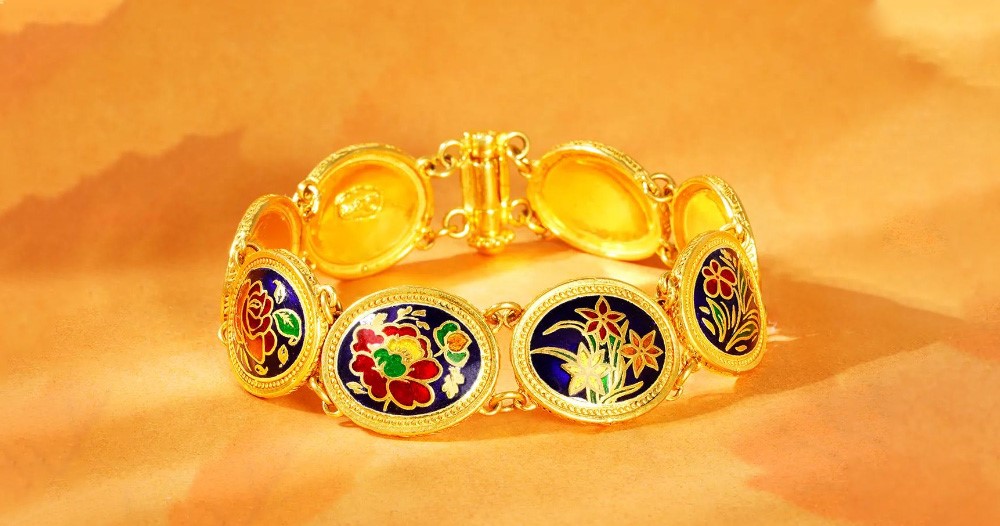
Minakari (مینا کاری), or Persian enamel work, is an ancient art form in which jewelers paint intricate designs on metal surfaces using vibrant enamel colors. Floral motifs are commonly featured in minakari jewelry, with designs that reflect the beauty of Persian gardens.
Vibrant Floral Enamels
Minakari jewelry often uses a bright palette of colors, such as blue, green, red, and yellow, to create vivid floral patterns on silver or gold surfaces. These floral designs are carefully painted onto the metal and then fired to create a glossy, colorful finish.
- Floral Minakari Pendants: Pendants and brooches featuring lotus flowers, roses, and vines are common in minakari jewelry. These designs not only celebrate nature but also serve as symbols of spiritual growth and life’s beauty.
- Enamel Earrings: Minakari earrings with floral patterns are often created using traditional blue-and-white color schemes, evoking the famous Persian tiles and their association with spirituality and purity.
4. Gemstones in Persian Floral Jewelry
Gemstones play an essential role in Persian floral jewelry, where they are often incorporated into the designs to enhance the beauty and symbolism of the piece. Neyshabur turquoise, carnelian, lapis lazuli, and emeralds are commonly used stones, each adding a new dimension of meaning to the floral patterns.
Turquoise Flowers
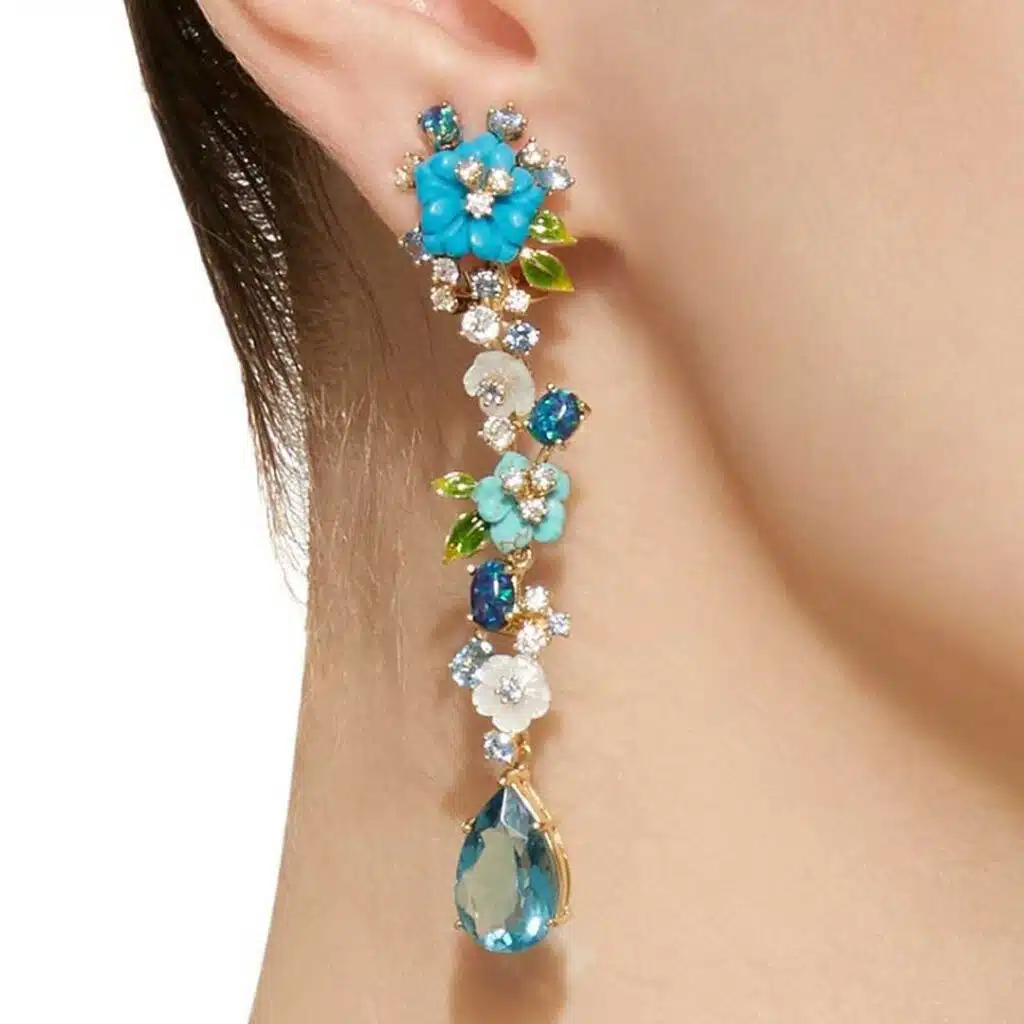
Turquoise is one of the most iconic gemstones in Persian jewelry, known for its vibrant blue hue. When used in floral designs, turquoise symbolizes protection, serenity, and spiritual balance. Flowers made of turquoise or framed by gold petals are common motifs in Persian rings, necklaces, and bracelets.
- Turquoise Rings: Rings with turquoise flowers are prized for their spiritual and protective qualities, combining natural beauty with cultural significance.
- Turquoise Necklaces: Neyshabur turquoise necklaces often feature floral pendants framed in gold or silver, creating a stunning contrast that highlights the stone’s natural beauty.
Gemstone Petals
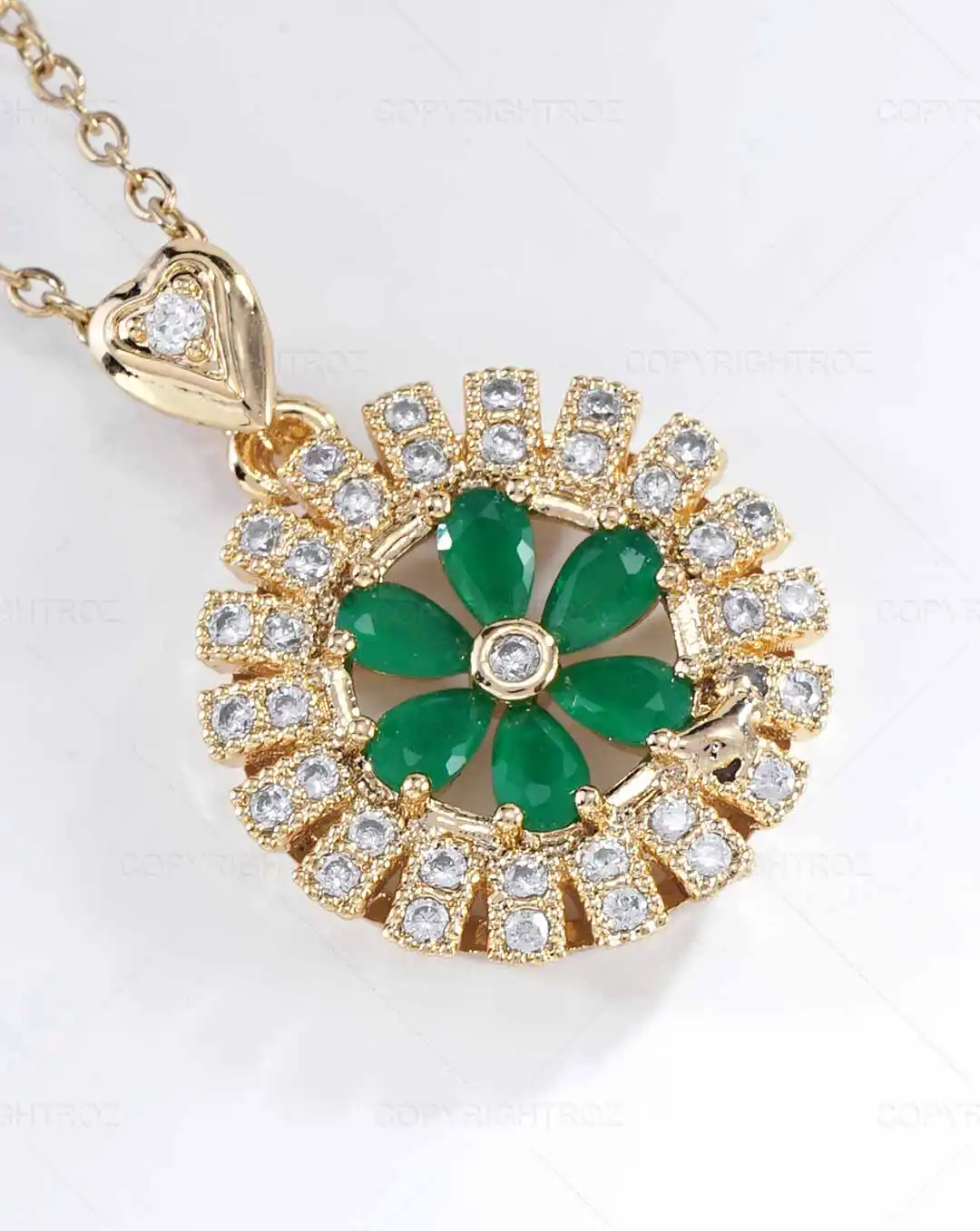
Other gemstones, such as emeralds, carnelian, and lapis lazuli, are used to create the petals and centers of flowers in Persian jewelry. Each stone carries its symbolic meaning, adding layers of significance to the floral designs.
- Carnelian Flowers: Carnelian, a deep red gemstone, is associated with strength and protection. When used as the center of a lotus flower or as part of a floral motif, carnelian adds a bold pop of color and enhances the symbolism of vitality and life.
- Emeralds and Lapis Lazuli: These stones are often used in the petals of floral designs, where emeralds symbolize growth and fertility, while lapis lazuli represents spiritual enlightenment.
5. The Fusion of Tradition and Modern Design
As Persian jewelry continues to evolve, many modern designers are blending traditional floral motifs with contemporary styles to create pieces that appeal to a global audience. This fusion of ancient craftsmanship and modern aesthetics allows Persian floral jewelry to remain timeless while adapting to new fashion trends.
Modern Minimalism with Floral Motifs
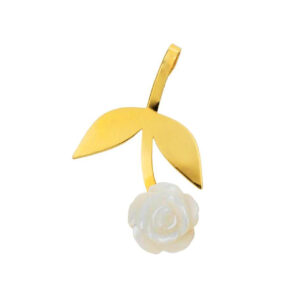
Some Persian jewelry designers embrace a more minimalist approach to floral motifs, creating simple, elegant pieces that focus on the beauty of the flower rather than ornate designs. These pieces often feature delicate petals or single flowers crafted from gold or silver, offering a more subtle expression of Persian heritage.
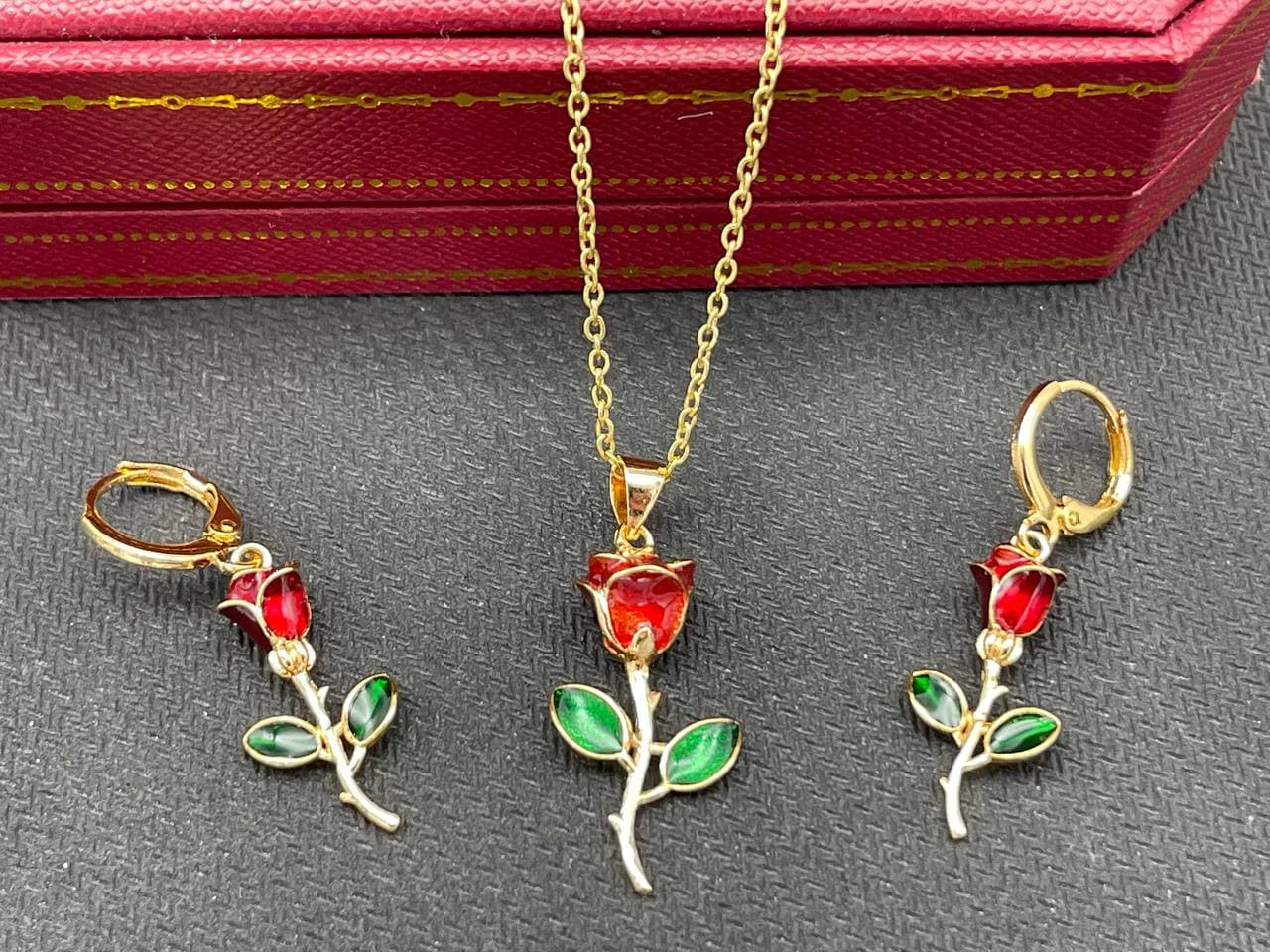
- Minimalist Rings: Gold or silver rings with small floral accents, such as a single rosebud or lotus petal, offer a modern take on traditional Persian floral designs. These rings are perfect for everyday wear while maintaining a connection to cultural roots.
- Simple Pendants: Minimalist floral pendants featuring small flowers or vines in clean lines provide a fresh, modern look while retaining the essence of Persian floral artistry.
Statement Pieces with Floral Motifs
On the other end of the spectrum, some designers create bold statement pieces that showcase intricate floral designs, often incorporating large gemstones, elaborate filigree, and vibrant enamel work.
- Statement Necklaces: Necklaces featuring large flower pendants, with petals made of gemstones or minakari designs, are designed to stand out, blending the artistry of Persian gardens with modern fashion.
- Bold Earrings: Floral earrings with elaborate designs and bold gemstone accents bring the beauty of Persian nature to life, making these pieces ideal for special occasions.
Conclusion: Persian Floral Motifs as a Timeless Expression of Beauty
The incorporation of floral motifs in Persian jewelry reflects not only the natural beauty of Iran’s gardens but also the deep cultural symbolism that flowers represent. Whether in the form of gold filigree, engraved silver, or vibrant minakari designs, these floral patterns create timeless pieces that capture the essence of Persian art and tradition. From roses symbolizing love to lotus flowers representing spiritual growth, Persian floral jewelry continues to inspire with its elegance and meaning.
At LetsGoYelo, we offer a curated selection of Persian floral jewelry that showcases the beauty and artistry of Iranian craftsmanship. Explore our collection and find a piece that reflects your style while connecting you to the rich heritage of Persian floral motifs.