Throughout Persian history, gold has been more than just a precious metal; it has been a symbol of power, wealth, divine authority, and royal opulence. From the time of the Achaemenid Empire through the Sassanian dynasty and into the Safavid and Qajar periods, Persian royalty and nobility have used gold to display their status, adorn themselves, and solidify their authority. Gold was also central to religious and ceremonial practices, often symbolizing the connection between the monarchy and the divine.
In this post, we’ll explore how Persian royalty and nobility used gold throughout history, examining its role in royal adornment, symbolism, and the intricate craftsmanship that became a hallmark of Persian goldsmithing.
1. The Achaemenid Empire (550–330 BCE): Gold as a Symbol of Power and Divinity
The Achaemenid Empire, founded by Cyrus the Great, was one of the largest and most powerful empires in the ancient world. Under the Achaemenids, gold played a crucial role in representing the wealth and divine authority of the Persian kings. The use of gold in jewelry, crowns, ceremonial items, and even coins helped to solidify the king’s status as a ruler chosen by the gods.
Royal Adornments and Crowns
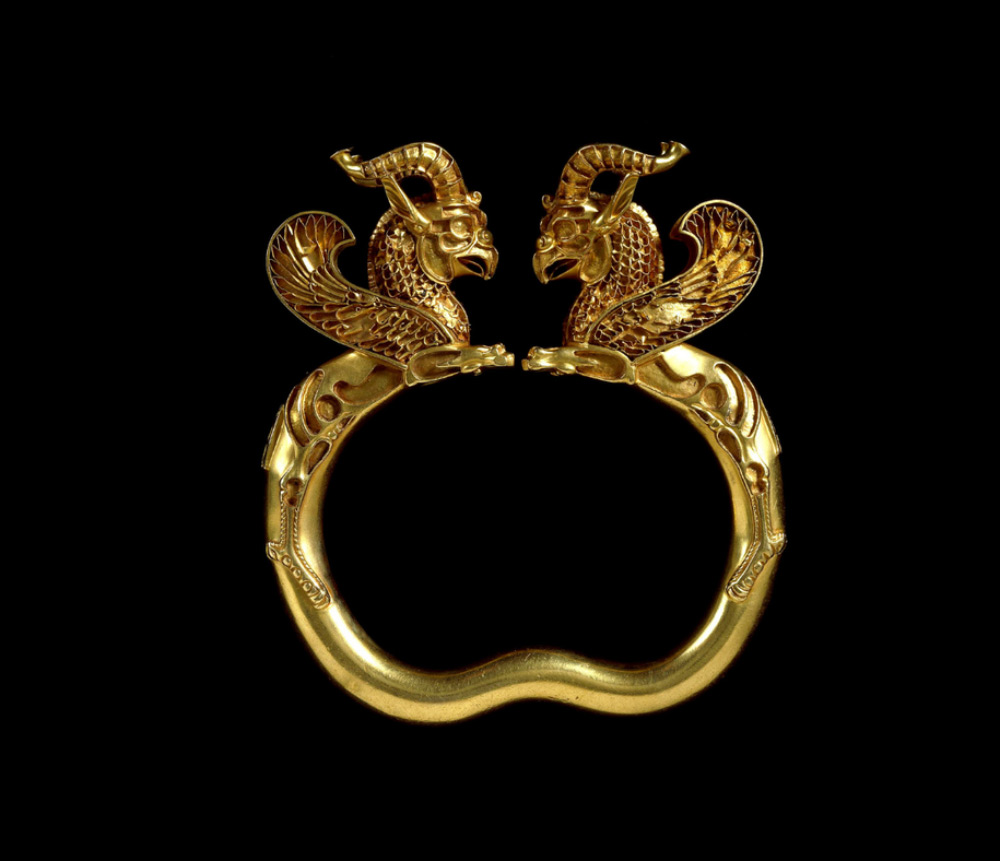
Gold was prominently featured in the crowns and diadems worn by the Persian kings, often adorned with precious gemstones like turquoise, garnet, and lapis lazuli. These crowns symbolized the divine right to rule and were often intricately designed with motifs of winged creatures, griffins, and lions—symbols of power and protection.
- The Golden Throne: The Achaemenid kings also sat on golden thrones, which symbolized not only their earthly power but also their connection to the divine. The gold used in these thrones was a reflection of their authority over vast territories and the wealth of the empire.
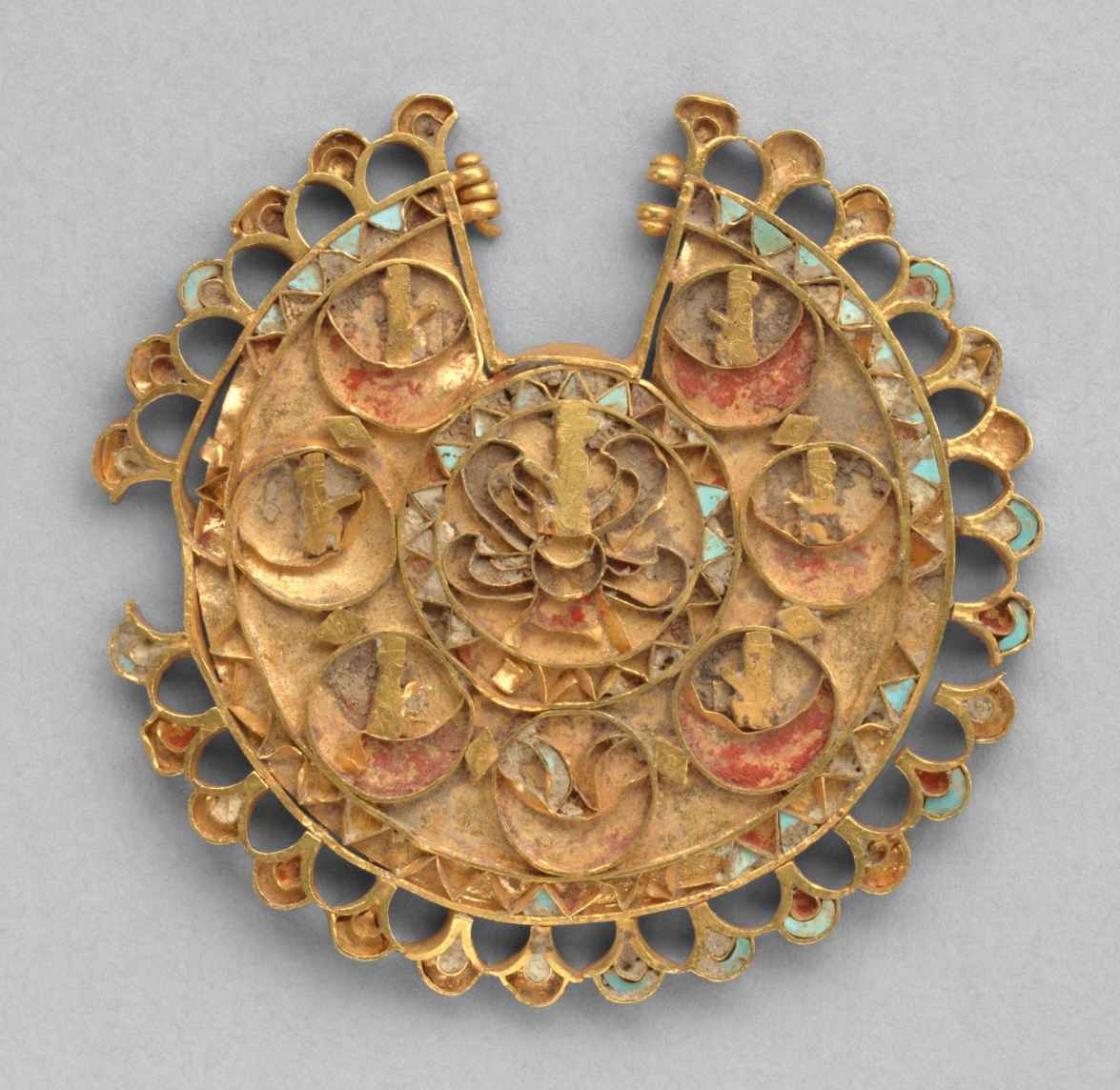
- Gold Jewelry: The nobility and royal family were also adorned with gold necklaces, bracelets, and rings, showcasing both their wealth and their closeness to the king. These pieces often featured mythical creatures and religious symbols, further emphasizing the divine aspect of their rule.
Gold as Tribute and Wealth
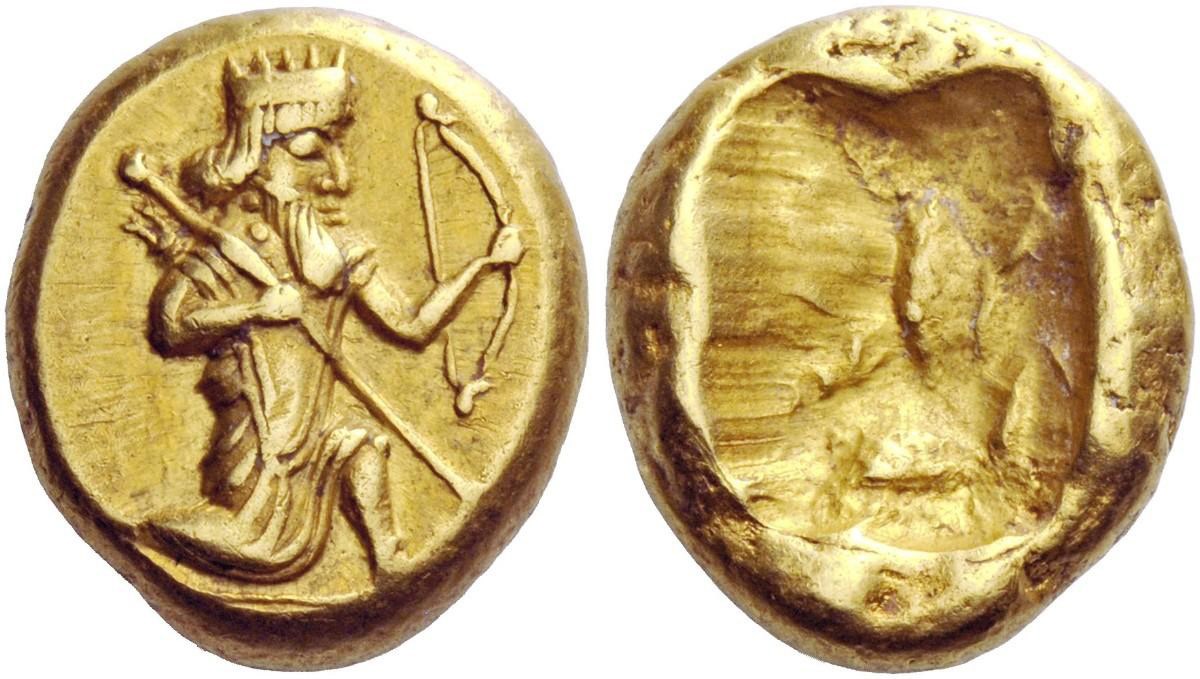
Under the Achaemenids, vast amounts of gold were collected as tribute from conquered lands. This gold was often used to fund military campaigns or as a way to reward loyalty within the empire. Gold coins, known as darics, were minted with the image of the king, further reinforcing the idea of royal power and divine favor.
- Symbol of Empire: Gold was a marker of the empire’s wealth and served as a currency of power. Royal decrees and gifts were often issued in gold, symbolizing the prosperity of the empire and the king’s control over its resources.
2. The Parthian and Sassanian Empires (247 BCE–651 CE): Gold as a Religious and Political Tool
Following the fall of the Achaemenid Empire, the Parthians and Sassanians continued the use of gold as a symbol of power, particularly in religious and ceremonial contexts. Gold jewelry and artifacts from these periods reflect a mix of Persian, Hellenistic, and Roman influences, highlighting the cosmopolitan nature of these empires.
Sassanian Gold Crowns and Jewelry
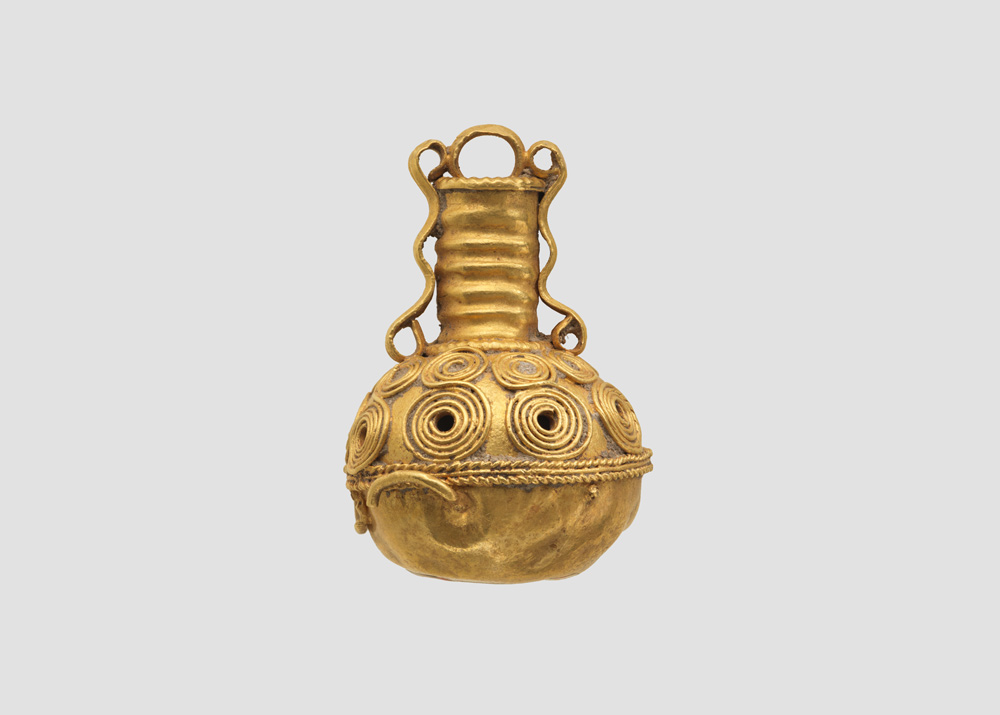
The Sassanian dynasty, in particular, is known for its use of gold in crowns and ceremonial regalia. The crowns of Sassanian kings were often elaborate, featuring large gold plates and gems, representing both the king’s authority and his role as a protector of the Zoroastrian faith.
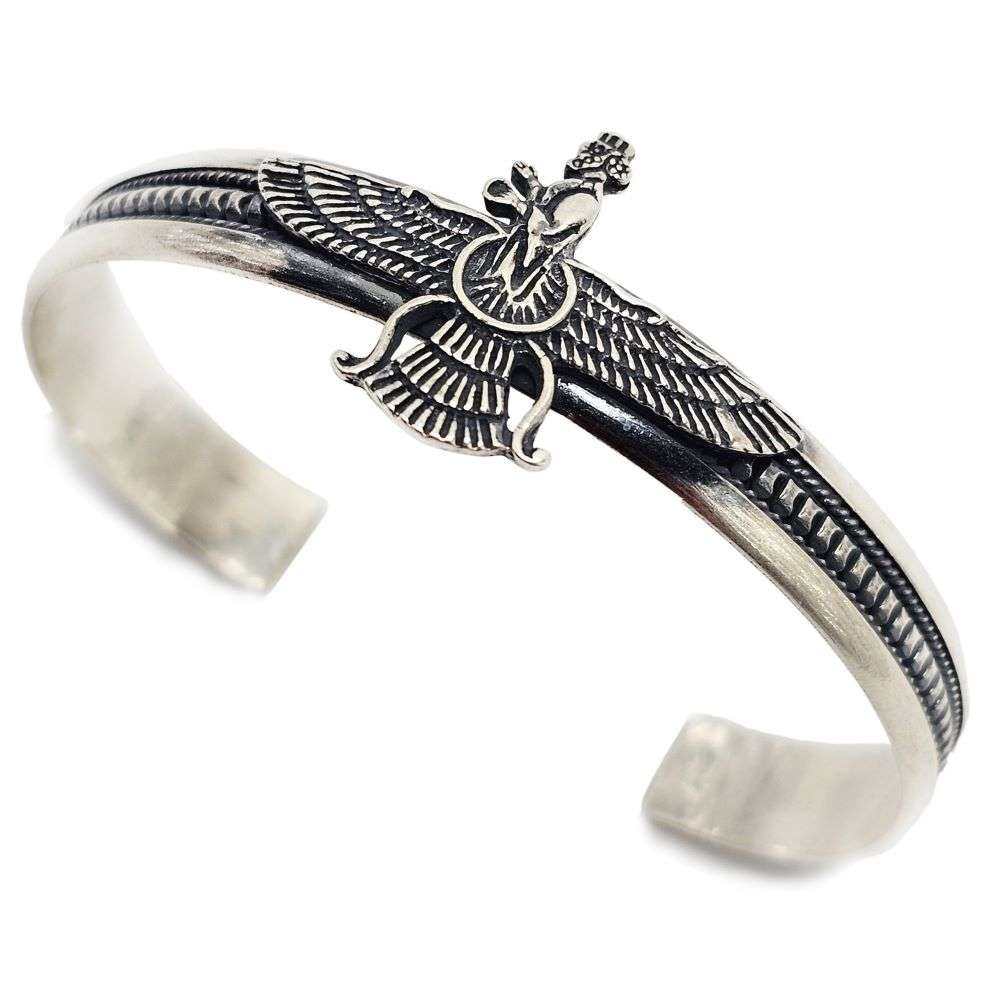
- Zoroastrian Symbolism: Many Sassanian gold pieces incorporated Zoroastrian religious symbols, such as the Faravahar and fire altars, linking the king to the sacred Zoroastrian religion. Gold was also used in religious ceremonies as an offering to the gods.
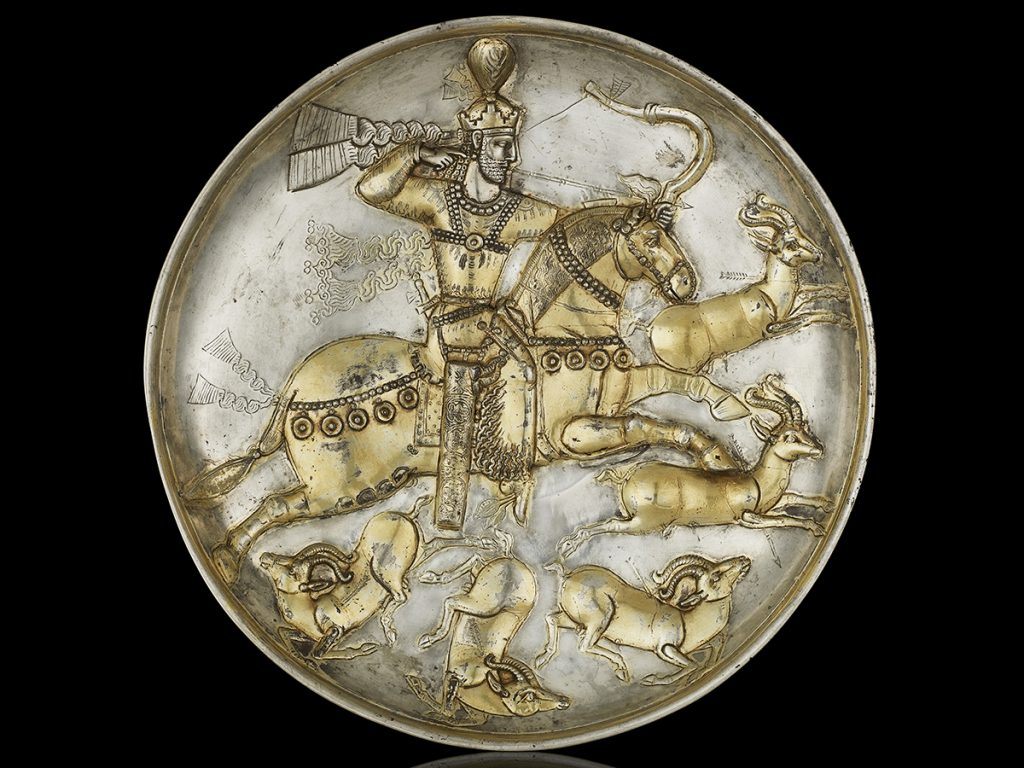
- Gold Coins and Portraiture: Sassanian kings, like their Achaemenid predecessors, minted gold coins featuring the king’s portrait. These coins were widely circulated and served as both currency and propaganda, reinforcing the king’s image as a divinely sanctioned ruler.
Gold in Parthian Jewelry
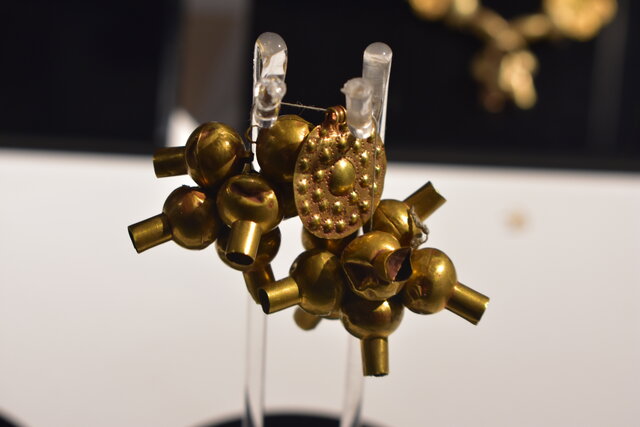
The Parthian Empire also produced intricate gold jewelry, with pieces featuring Greek and Roman influences due to their interactions with these cultures. Gold rings, necklaces, and earrings from this period often incorporated precious gemstones and intricate filigree work, symbolizing the wealth and cosmopolitan nature of the Parthian elite.
- Noble Adornments: Parthian nobles wore gold jewelry to signify their status and loyalty to the ruling class. Gold was seen as a marker of both earthly success and favor with the gods, making it essential in aristocratic life.
3. The Safavid Dynasty (1501–1736): A Golden Era of Persian Art and Craftsmanship
The Safavid dynasty marked a golden age for Persian art and craftsmanship, particularly in the production of gold jewelry and luxury items. During this period, the Safavid rulers used gold not only to adorn themselves but also to demonstrate their political power and cultural sophistication.
Gold Jewelry and Royal Display
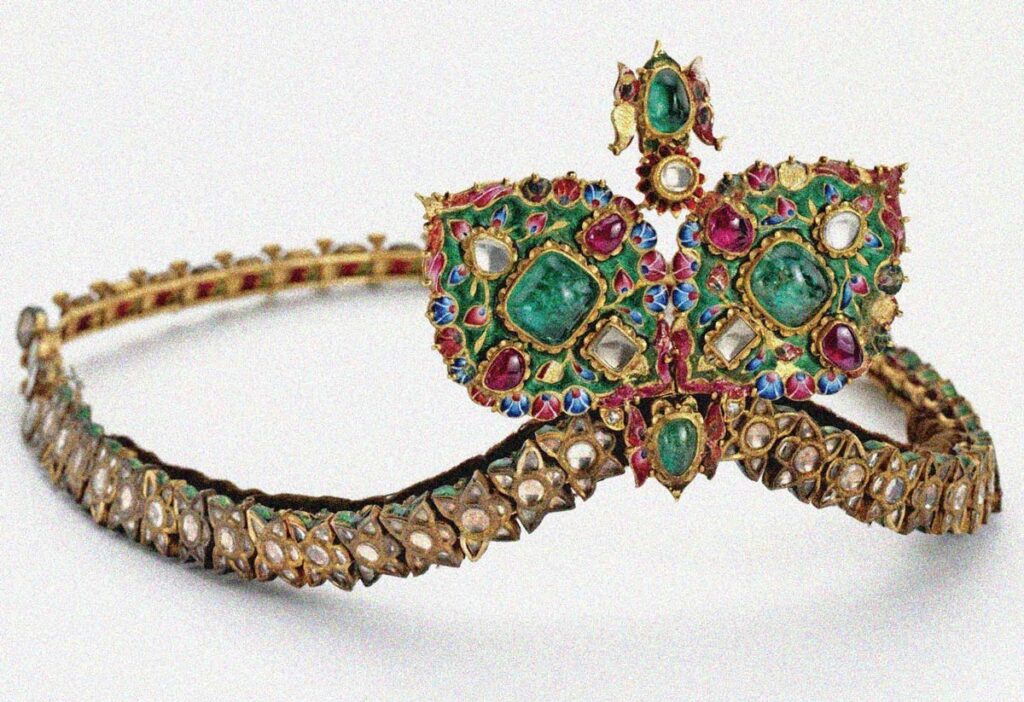
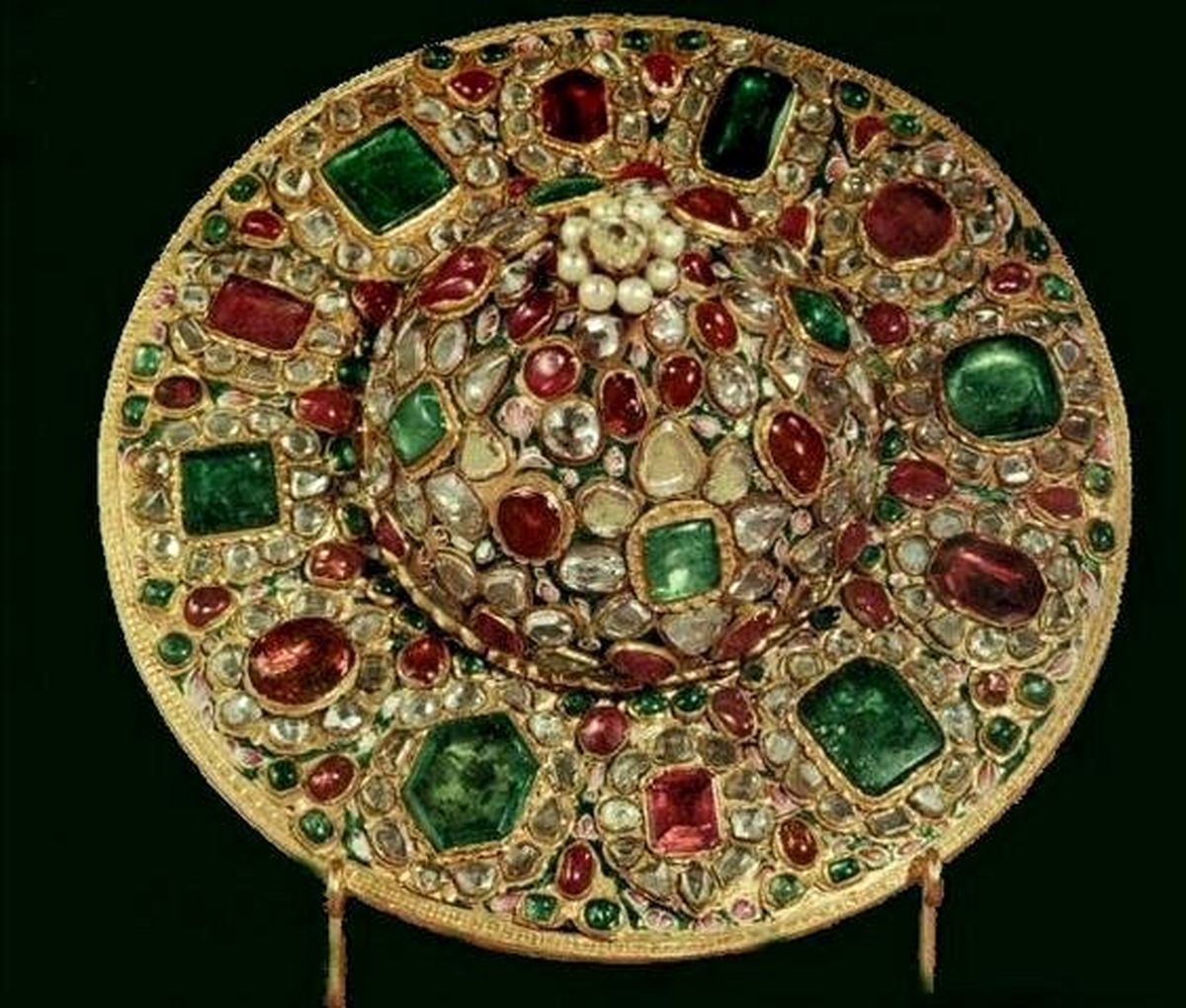
The Safavid Shahs were known for their love of luxury and their patronage of arts and crafts, including goldsmithing. Gold jewelry during this period was often elaborate, featuring enamel work (Minakari) and precious stones, such as rubies, emeralds, and diamonds. These pieces were not only worn by the royal family but were also gifted to foreign dignitaries to demonstrate the wealth and power of the Persian court.
- Minakari (Enamel Work): The Safavids perfected the art of Minakari, or enamel work, which involved painting intricate designs on gold surfaces. This technique was used in necklaces, earrings, and bracelets, adding vibrant color and artistic detail to the gold jewelry of the time.
- Ceremonial and Diplomatic Gifts: Gold was frequently used in diplomatic gifts to foreign rulers and dignitaries. These gifts were designed to impress and reinforce the prestige of the Persian court. Gold items such as jewel-encrusted daggers, crowns, and ornate goblets were often exchanged to strengthen political alliances.
Gold in Religious and Ceremonial Contexts
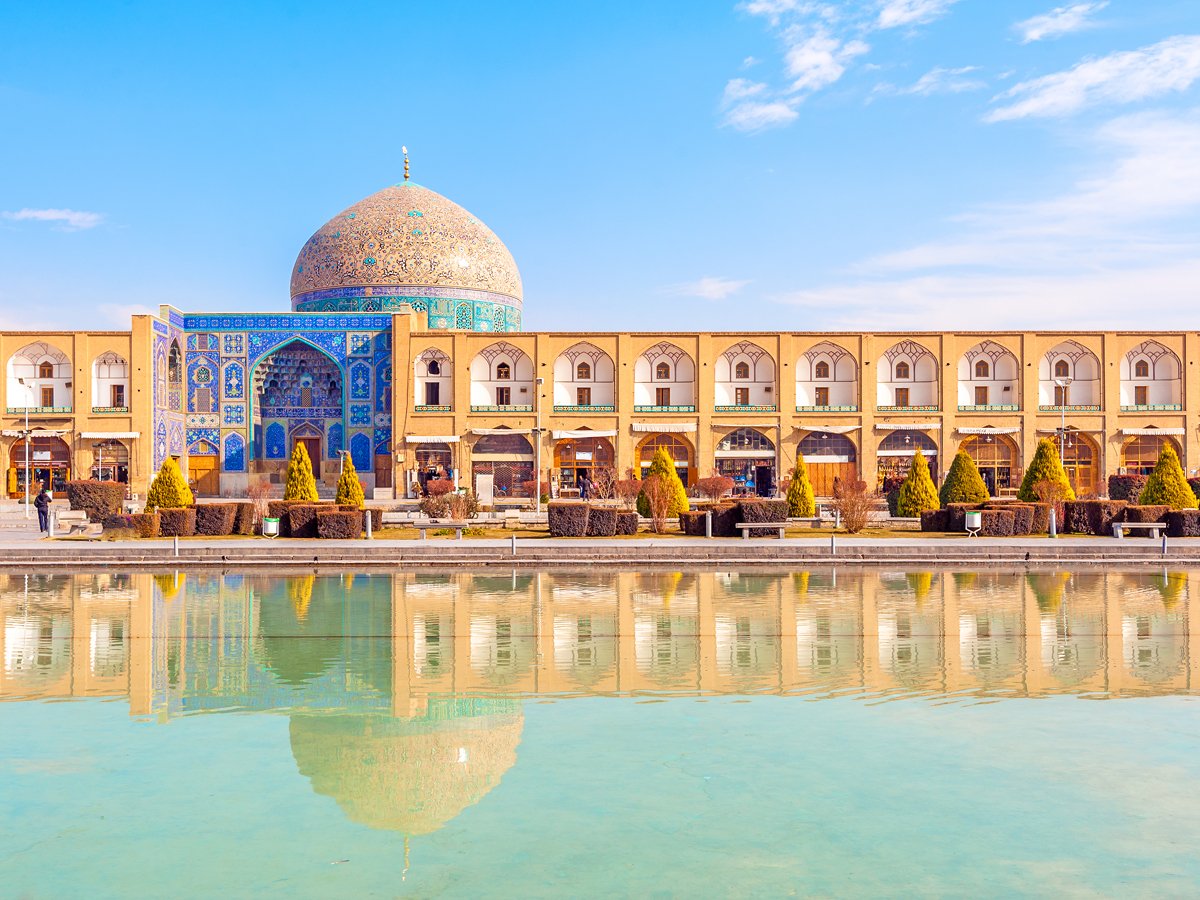
Gold also played a significant role in Safavid religious ceremonies. The Safavids, who were ardent followers of Shia Islam, used gold to adorn mosques, religious artifacts, and ceremonial items. Gold was seen as a symbol of divine favor and purity, making it central to royal rituals and religious observances.
- Religious Adornments: Gold was used in Shia religious items, such as amulets and prayer beads, which were worn by royalty and nobility as symbols of their devotion and status.
- Royal Mosque Donations: The Safavids were known to donate large amounts of gold and precious stones to the construction and adornment of mosques, reinforcing their role as both political and religious leaders.
4. The Qajar Dynasty (1789–1925): The Opulence of Persian Nobility
Under the Qajar dynasty, the use of gold became synonymous with royal extravagance and the display of opulence. The Qajar rulers were famous for their lavish lifestyles, and gold jewelry played a crucial role in both public displays of wealth and private ceremonies.
The Persian Crown Jewels
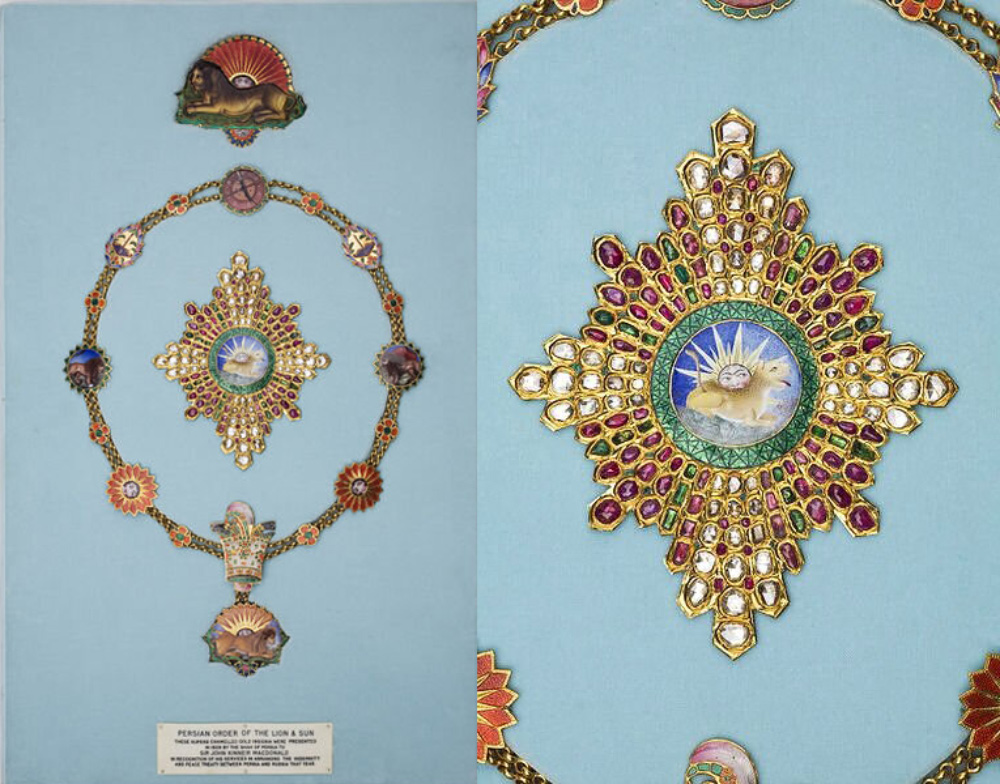
One of the most iconic collections of gold from this period is the Persian Crown Jewels, a vast collection of golden crowns, swords, thrones, and jewelry used by the Qajar kings. These items were encrusted with diamonds, emeralds, rubies, and pearls, symbolizing the wealth and grandeur of the Persian court.
- The Peacock Throne: Perhaps the most famous item from the Qajar era, the Peacock Throne is a symbol of Persian royalty and extravagance. This golden throne, encrusted with thousands of precious stones, was used by the Qajar kings during their reign.
- Gold-Embellished Clothing: The Qajar nobility often wore clothing embroidered with gold thread and adorned with gold jewelry, including brooches, rings, and tiaras, as a display of their high status and connection to the royal family.
Royal Ceremonies and Gold
Gold was a central element in Qajar royal ceremonies, including coronations, weddings, and public processions. The use of golden carriages, jewelry, and ceremonial weapons was designed to convey the power and divine right of the Qajar kings, ensuring that their rule was seen as both legitimate and prosperous.
- Gifts of Gold: The Qajar rulers were known to give extravagant gifts of gold jewelry and other luxury items to foreign dignitaries, further solidifying their relationships with other nations and showcasing the wealth of the Persian Empire.
Conclusion: Gold as a Symbol of Persian Royalty and Power
Throughout Persian history, gold has been an enduring symbol of royalty, divine authority, and wealth. From the Achaemenid kings to the Qajar monarchs, gold played a crucial role in displaying the power and prestige of the Persian Empire. It was not only used to adorn the bodies of royalty but also to strengthen political alliances, demonstrate cultural sophistication, and connect the monarchy with the divine.
At LetsGoYelo, we celebrate the rich history of Persian gold jewelry by offering exquisite pieces inspired by ancient Persian craftsmanship. Explore our collection to experience the beauty and symbolism of Persian gold jewelry and bring a piece of royal history into your own life.