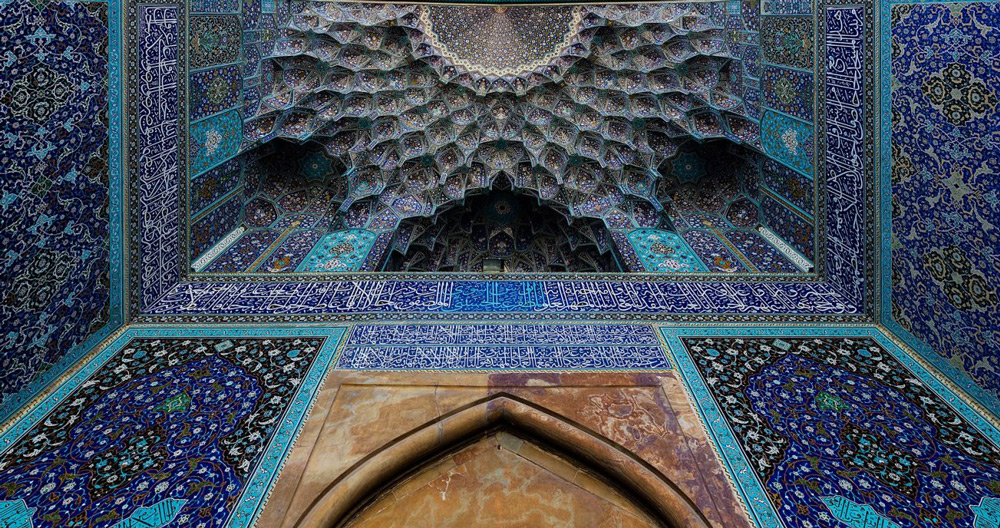
How Iconic Iranian Structures Inspire Jewelry Motifs and Designs
Persian architecture is renowned for its breathtaking beauty, symmetry, and intricacy. From the majestic mosques of Isfahan to the grand palaces of Persepolis, Iranian architecture has left an indelible mark on world history. This rich architectural heritage has not only influenced the visual arts but also the world of jewelry design. Persian jewelry designers draw inspiration from these iconic structures, incorporating the geometric patterns, arches, floral motifs, and intricate tilework that define Iranian architecture into their creations.
In this post, we will explore how Persian architecture has shaped jewelry motifs and designs, highlighting key architectural elements that inspire artisans and how these influences are translated into contemporary jewelry.
1. Geometric Patterns: Precision and Symmetry
One of the most prominent features of Persian architecture is its use of geometric patterns. From the mesmerizing designs on the domes of mosques to the mosaic tilework found in palaces, these patterns reflect the Persian love for symmetry and precision. These geometric elements are often incorporated into jewelry designs, symbolizing harmony, balance, and the infinite nature of the universe.
Geometric Patterns in Architecture
- Isfahan Shah Mosque (Imam Mosque): The intricate mosaic patterns on the Shah Mosque in Isfahan are prime examples of Persian mastery of geometric design. The use of interlocking shapes and repeating patterns creates a sense of infinite complexity and precision.
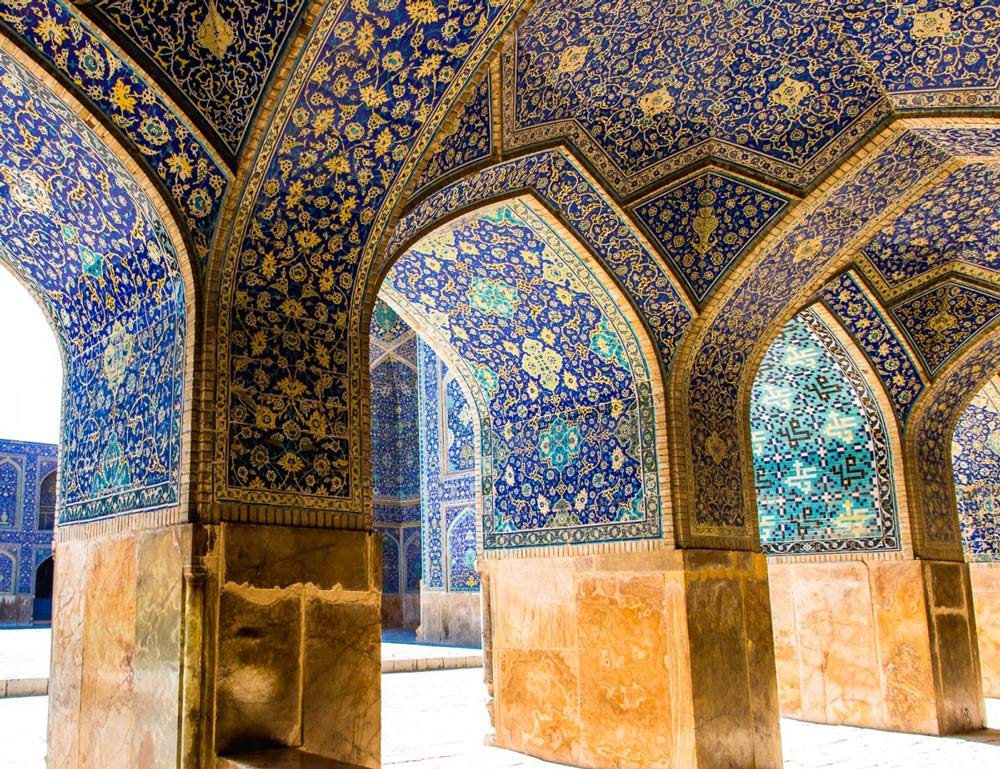
- Jameh Mosque of Yazd: This mosque features geometric tiles in turquoise and blue, creating stunning symmetrical designs that have been a source of inspiration for both architects and jewelry designers.
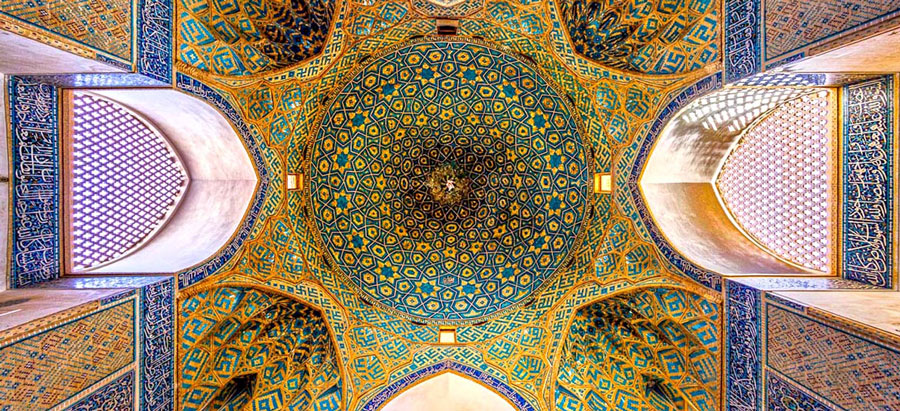
Geometric Jewelry Design
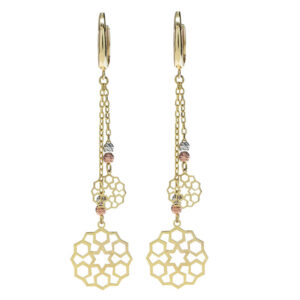
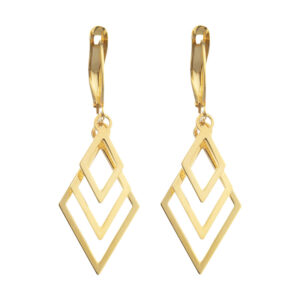
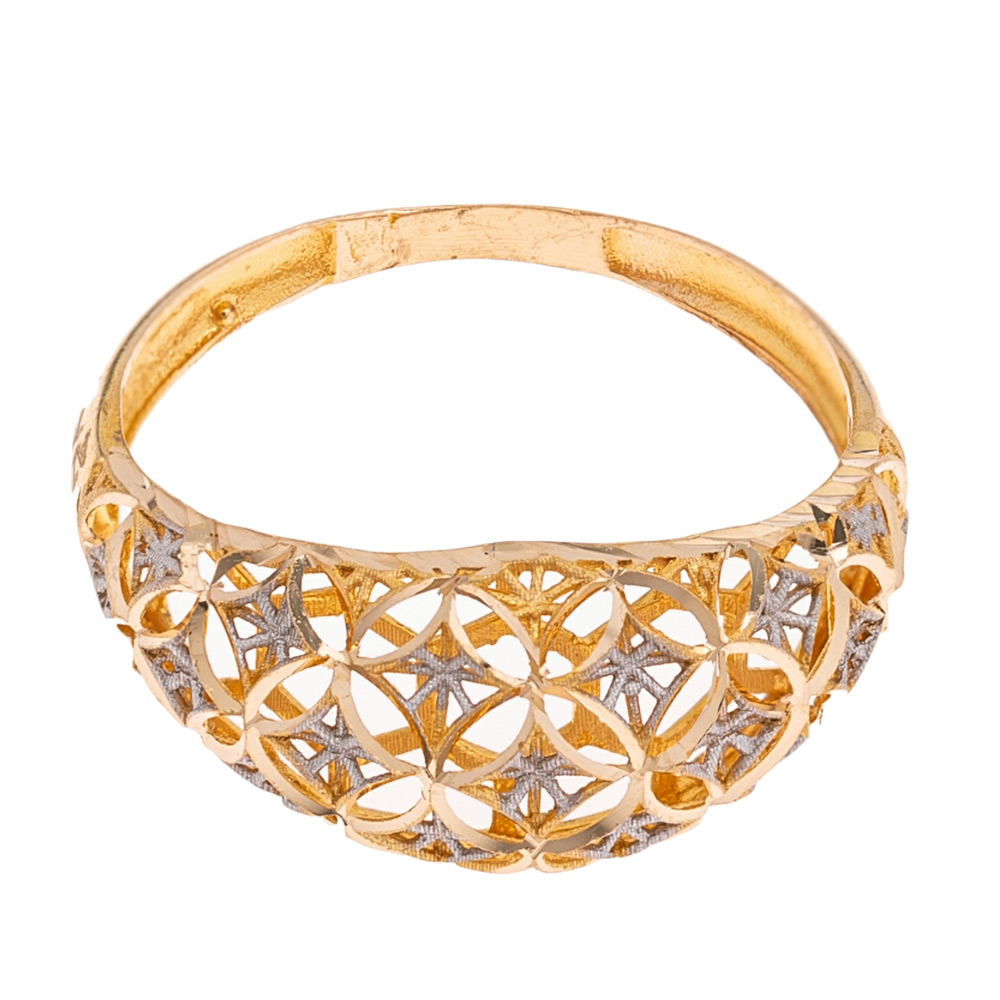
Jewelry designers use these geometric patterns to create pieces that echo the symmetry and complexity of Persian architecture. Some common motifs include repeating hexagons, stars, and interlocking shapes, which are often rendered in gold, silver, and enamel work.
- Necklaces and Earrings: Geometric necklaces and earrings inspired by Persian architecture often feature delicate latticework or filigree in repeating shapes. These pieces not only evoke the architectural beauty of Iran but also represent balance and unity.
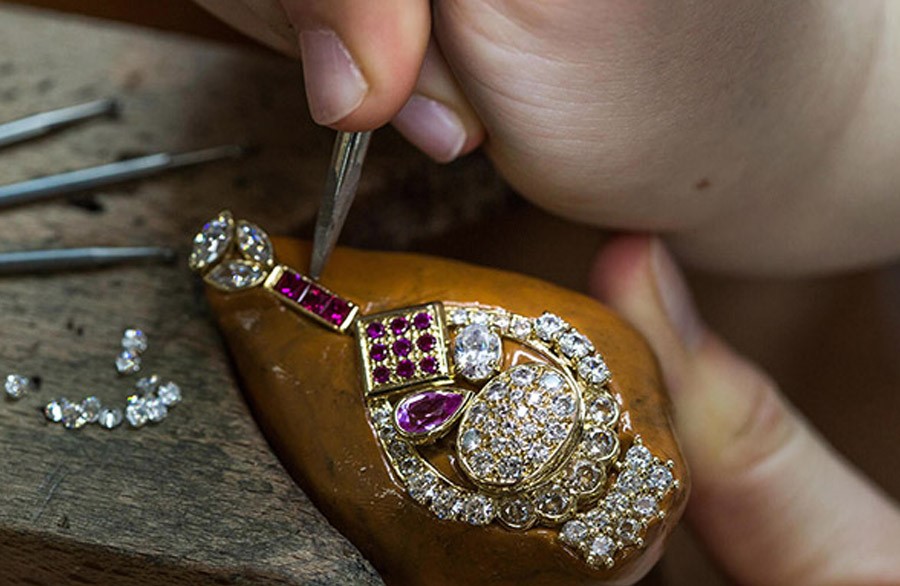
- Rings: Rings featuring star patterns or interlocking shapes are popular designs that draw directly from the mathematical precision of Persian tilework.
2. Persian Arches: Elegance and Grandeur
Arches are a defining feature of Persian architecture, especially in mosques, palaces, and ancient structures. These arches, often pointed or horseshoe-shaped, represent both the grandeur and elegance of Persian design. The smooth, flowing lines of these architectural elements are often mirrored in jewelry, creating designs that are both graceful and timeless.
Arches in Architecture
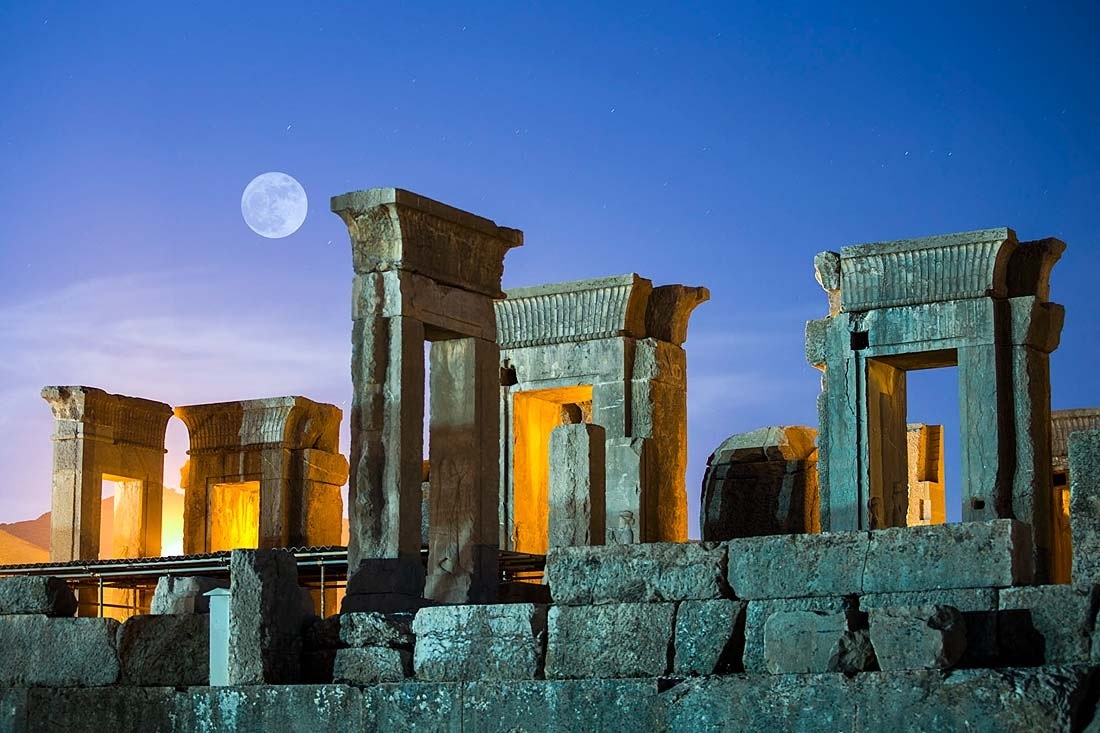
- Persepolis: The ancient city of Persepolis, the ceremonial capital of the Achaemenid Empire, is filled with grand arches and columns. These structures are a symbol of the empire’s power and architectural brilliance.
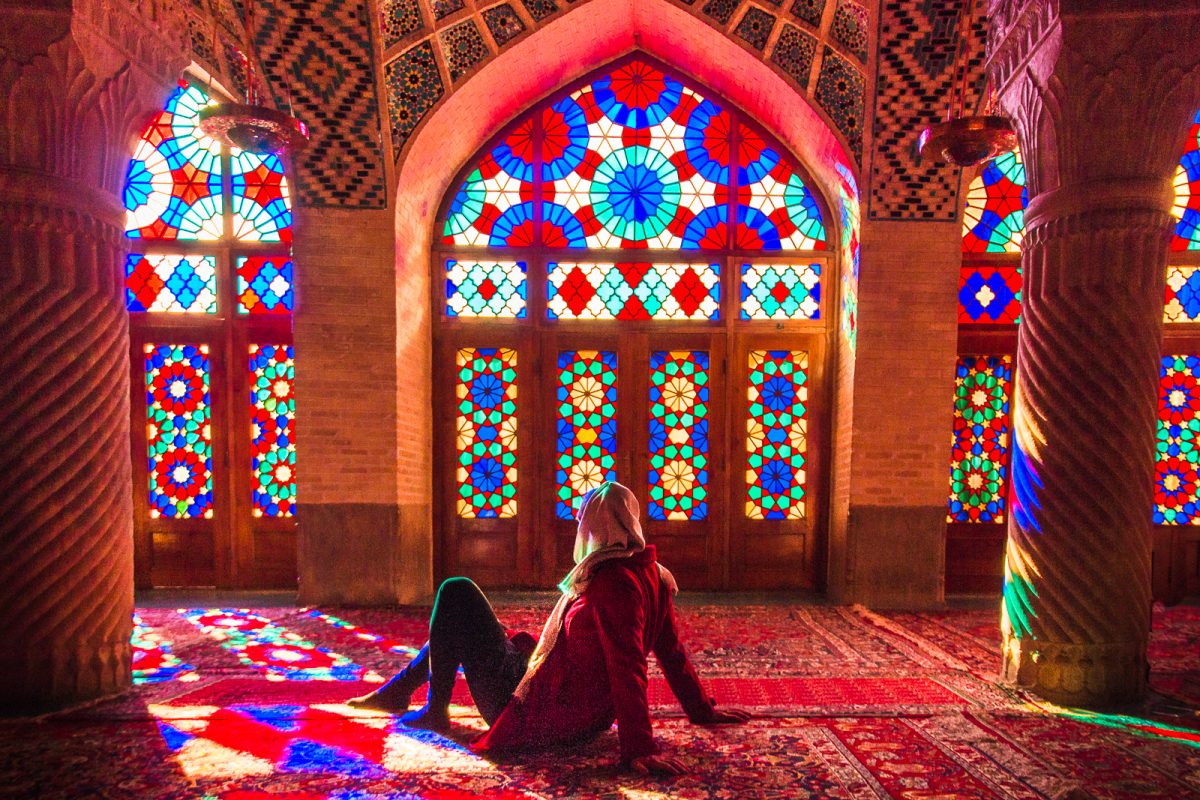
- Nasir al-Mulk Mosque (The Pink Mosque): This mosque is famous for its pointed arches that frame the stained-glass windows, filling the mosque with vibrant colors. The arches represent a balance between structure and beauty, a theme often reflected in jewelry.
Arches in Jewelry Design
Jewelry designers take inspiration from Persian arches to create pendants, bracelets, and earrings with elegant curves and shapes. These designs are often seen as a symbol of strength and protection, reflecting the historical importance of arches in Persian architecture.
- Arched Pendants: Pendants that feature an arched shape, often set with semi-precious stones, are a popular way to bring the elegance of Persian arches into jewelry. The smooth curves mirror the flowing lines of the arches found in Iranian mosques and palaces.
- Cuff Bracelets: Gold and silver cuff bracelets with arched cutouts or engraved arch motifs are another way designers bring Persian architecture into their creations, combining both strength and beauty.
3. Floral Motifs: Nature in Architecture and Jewelry
Floral motifs are a central aspect of Persian art and architecture, symbolizing the natural world’s connection to the divine. These designs, often seen in the tilework of mosques and palaces, are inspired by gardens, which hold significant meaning in Persian culture as representations of paradise and eternal beauty. Floral motifs are widely used in jewelry design, echoing the same themes of beauty, growth, and nature.
Floral Motifs in Architecture
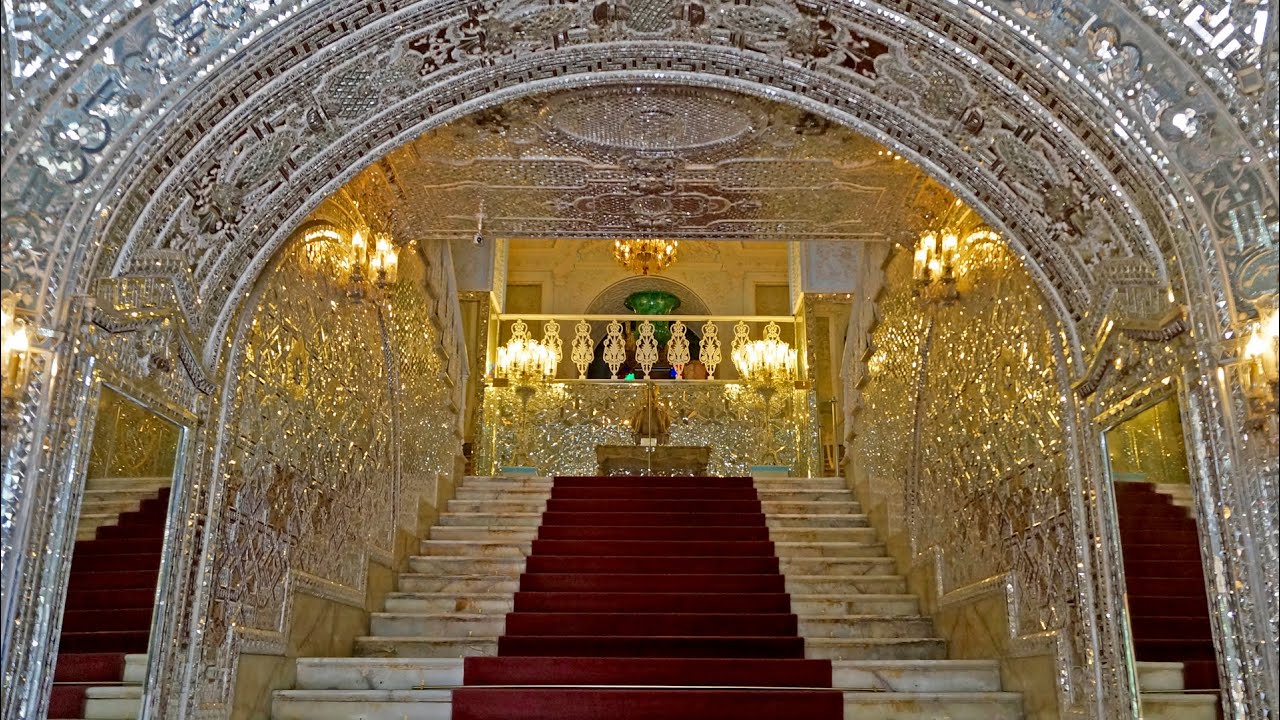
- Golestan Palace: The Golestan Palace in Tehran features stunning tilework and stucco decorations that incorporate delicate floral patterns. These designs are reminiscent of Persian gardens, often referred to as paradise on Earth.
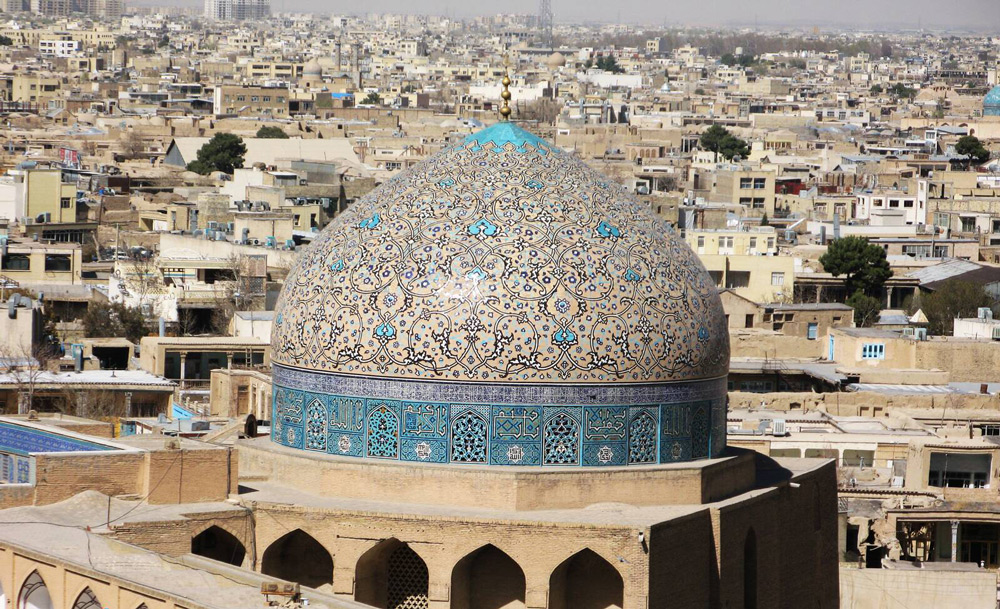
- Sheikh Lotfollah Mosque: The intricate floral designs on the mosque’s dome represent the union of nature and the divine. The flowing floral patterns in the architecture are interpreted as symbols of life, growth, and eternity.
Floral Motifs in Jewelry Design
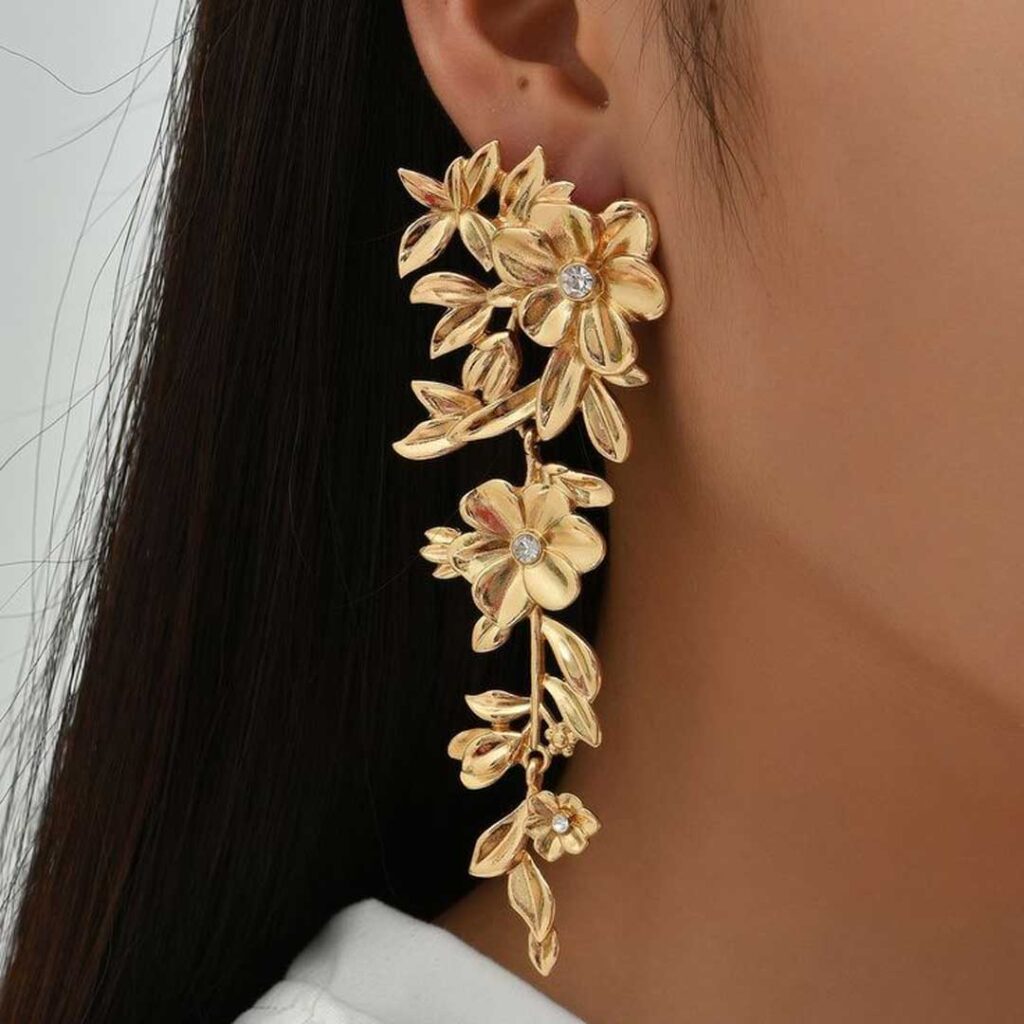
Floral designs in Persian jewelry are used to convey themes of fertility, nature, and spirituality. These motifs are often rendered in filigree work, engraved designs, or set with precious stones to create delicate yet intricate pieces.
- Flower-shaped Earrings and Pendants: These designs feature delicate floral patterns, often in gold or silver, set with semi-precious stones like turquoise, lapis lazuli, or ruby. The use of floral motifs reflects the Persian appreciation for natural beauty and eternity.
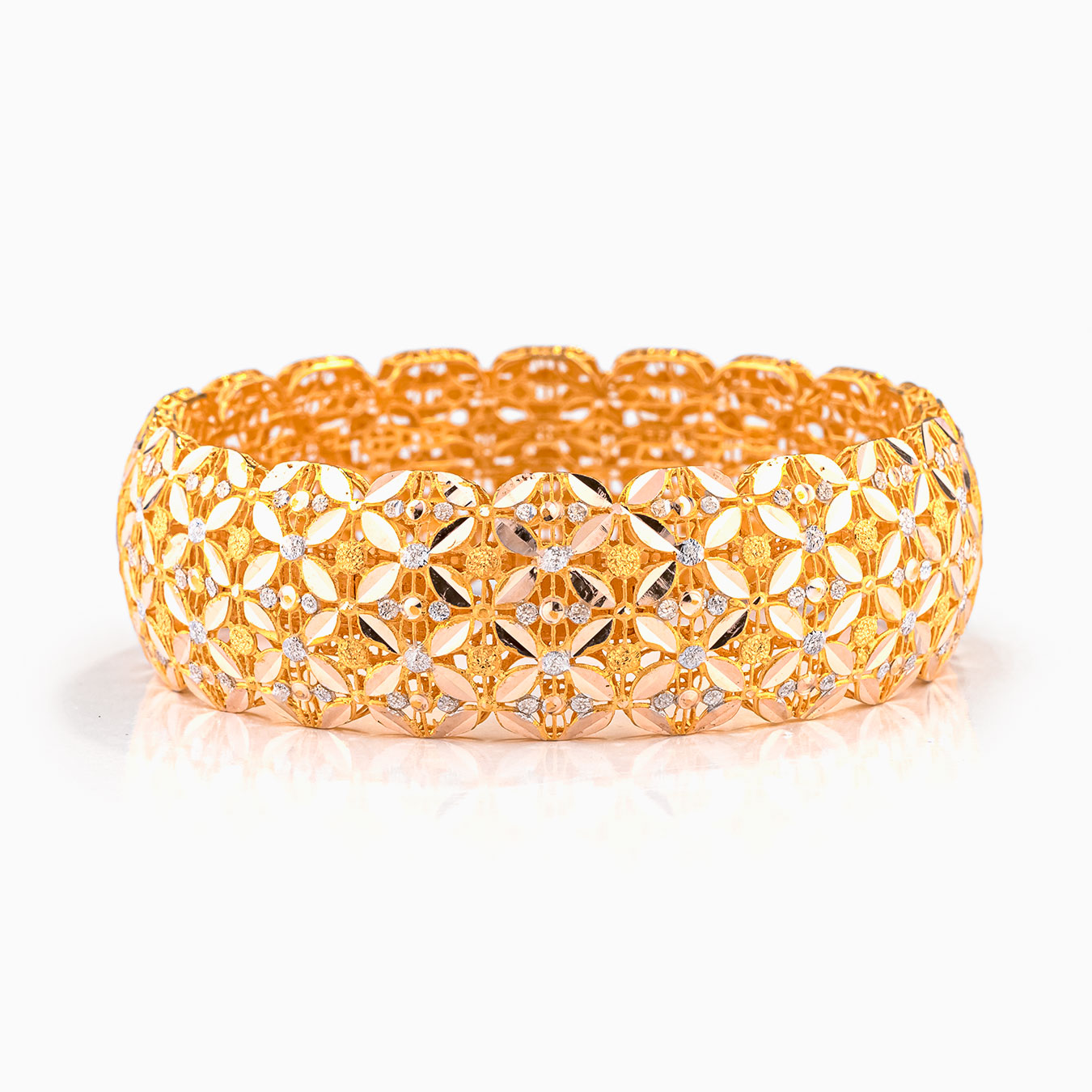
- Filigree Bracelets: Intricate filigree work is used to create delicate floral designs in bracelets, which mirror the same complexity and attention to detail seen in Persian tilework.
4. Domes and Vaults: Circular Perfection
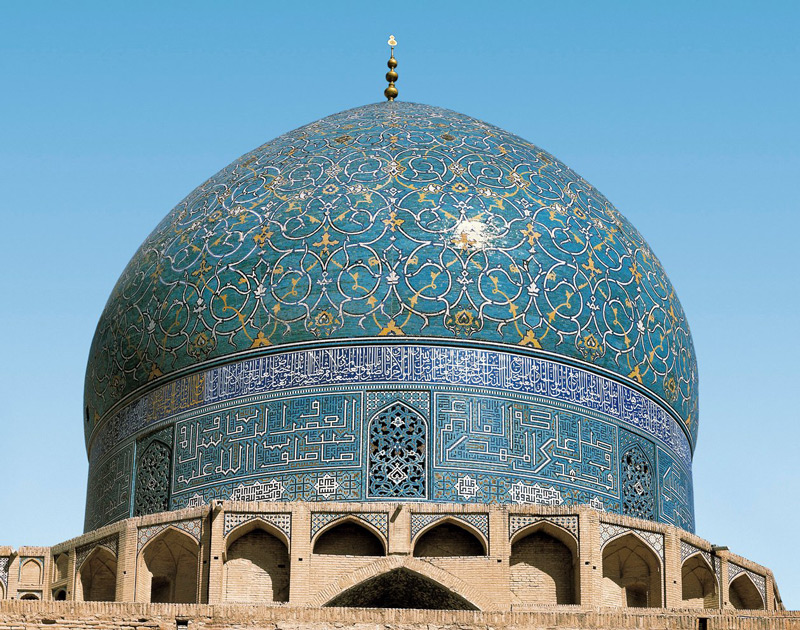
The domes and vaults of Persian architecture are celebrated for their structural innovation and stunning decoration. These elements often feature intricate tilework and geometric patterns, symbolizing the heavens and the divine. Jewelry designers incorporate the circular shapes of domes and vaults into their pieces, creating rings, pendants, and brooches that evoke a sense of wholeness and perfection.
Domes in Architecture
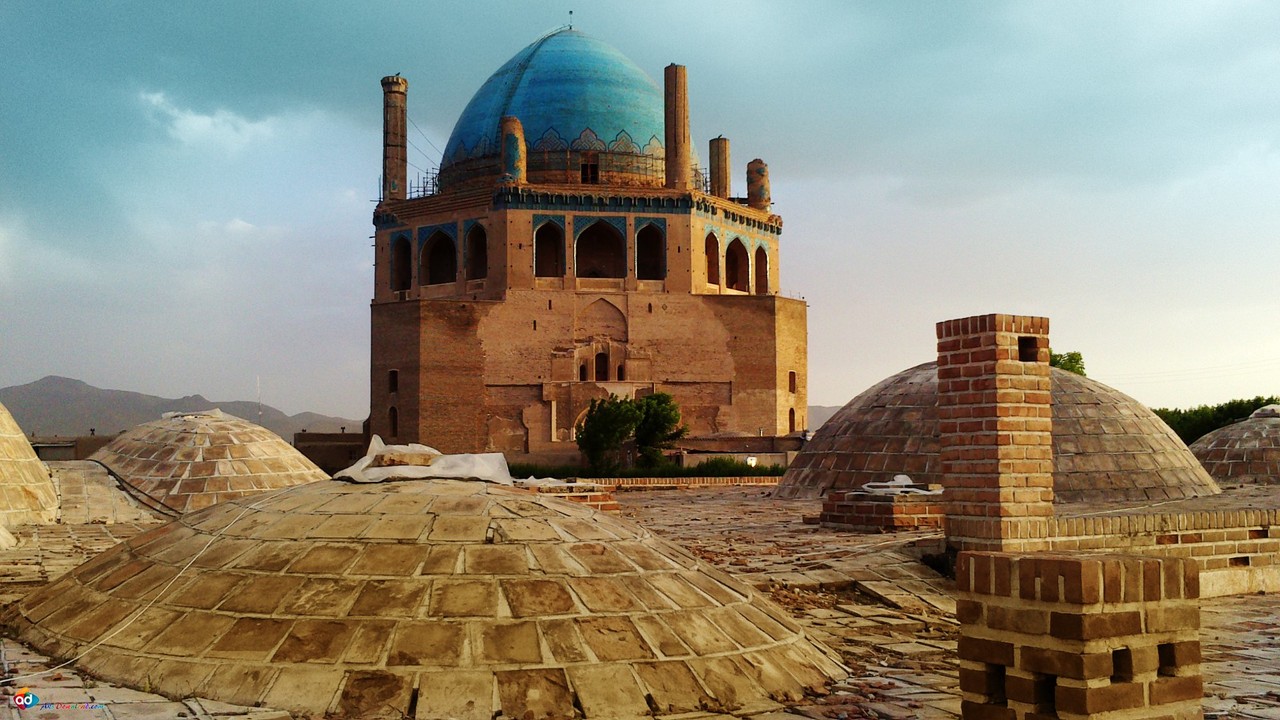
- The Dome of Soltaniyeh: This UNESCO World Heritage Site is one of the largest brick domes in the world and is famous for its complex interior decoration, featuring geometric patterns and floral designs. The dome represents the heavens and is seen as a connection between the earthly and the divine.
- Shah Mosque Dome: The Shah Mosque in Isfahan features one of the most iconic domes in Persian architecture, adorned with intricate mosaic tilework in stunning shades of blue and turquoise.
Circular Jewelry Designs
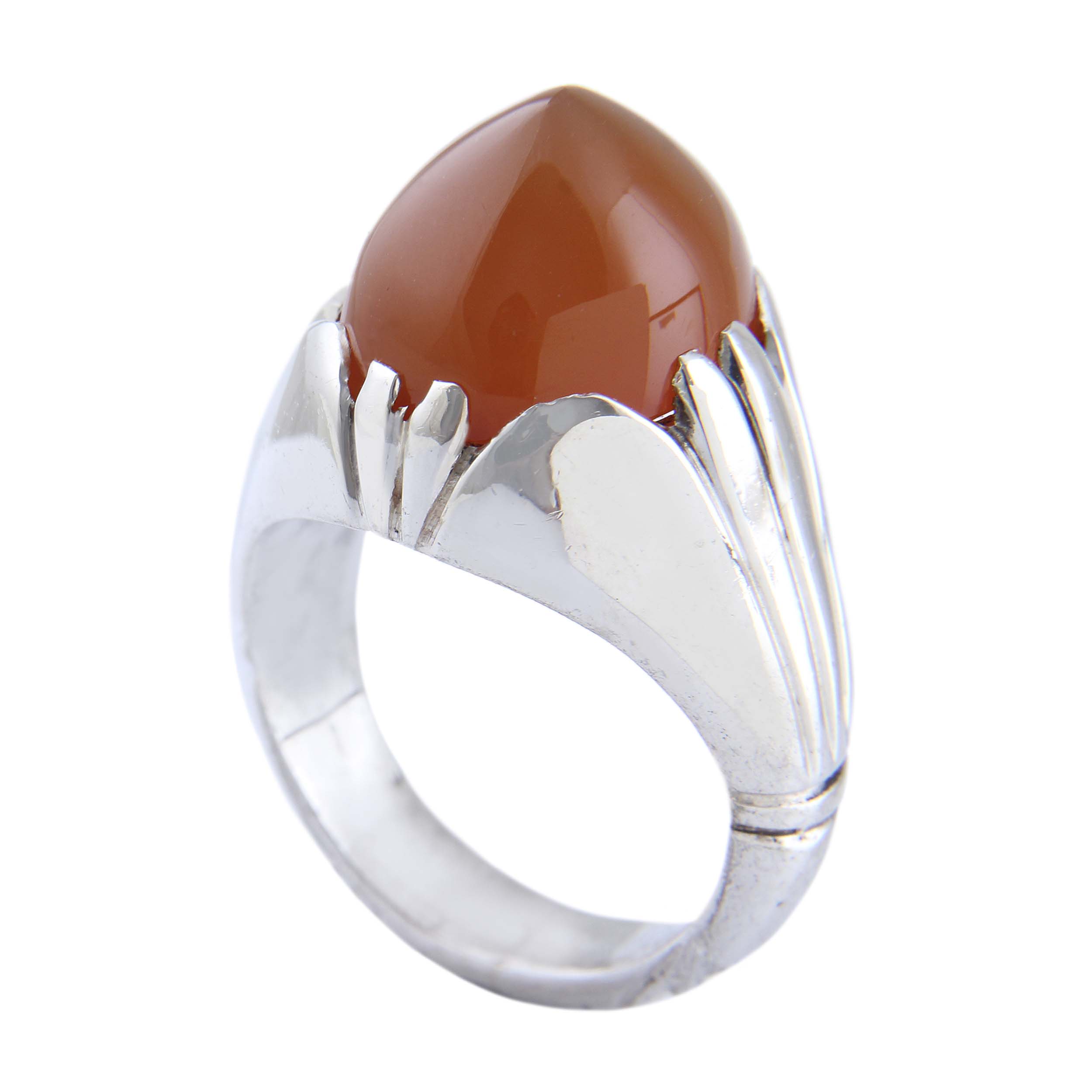
Circular shapes in jewelry, inspired by the domes and vaults of Persian architecture, symbolize perfection, unity, and the cosmos. These designs often incorporate gemstones set in circular patterns, reflecting the symmetry and balance seen in Persian domes.
- Dome-shaped Rings: Rings designed in circular forms with intricate detailing or set with central gemstones are directly inspired by the geometry and structure of Persian domes. These rings are often seen as a representation of the wearer’s connection to wholeness and completeness.
- Circular Pendants: Circular pendants with filigree work or stone inlays reflect the domes’ structure, offering a piece of jewelry that symbolizes eternity and divinity.
5. Tilework and Minakari (Enamel Work): Vibrant Colors and Intricate Designs
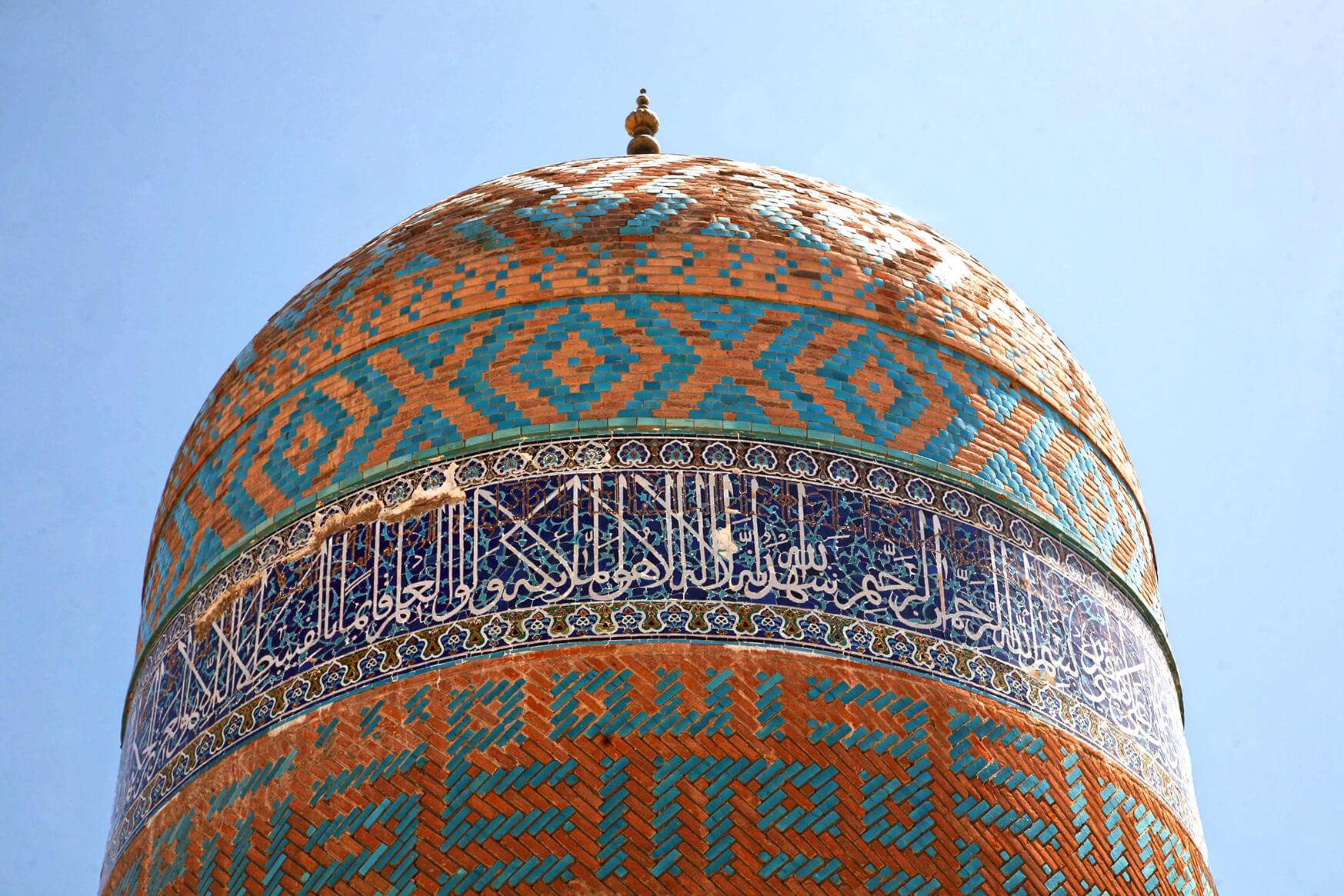
The tilework in Persian architecture is renowned for its use of vivid colors, particularly blues, turquoise, and gold. This intricate craftsmanship is mirrored in the Minakari (enamel work) used in jewelry, where artisans create vibrant and detailed designs on gold and silver surfaces.
Tilework in Architecture
- Nasir al-Mulk Mosque: This mosque, also known as the Pink Mosque, is famous for its colorful stained glass windows and vibrant tilework in shades of pink, blue, and green. The detailed patterns in the tilework reflect the mastery of Persian artisans.
- Sheikh Safi al-Din Khanegah and Shrine Ensemble: This UNESCO site features intricate blue and turquoise tilework with floral and geometric motifs, creating a visual masterpiece that inspires both architects and jewelry designers.
Minakari Jewelry Designs
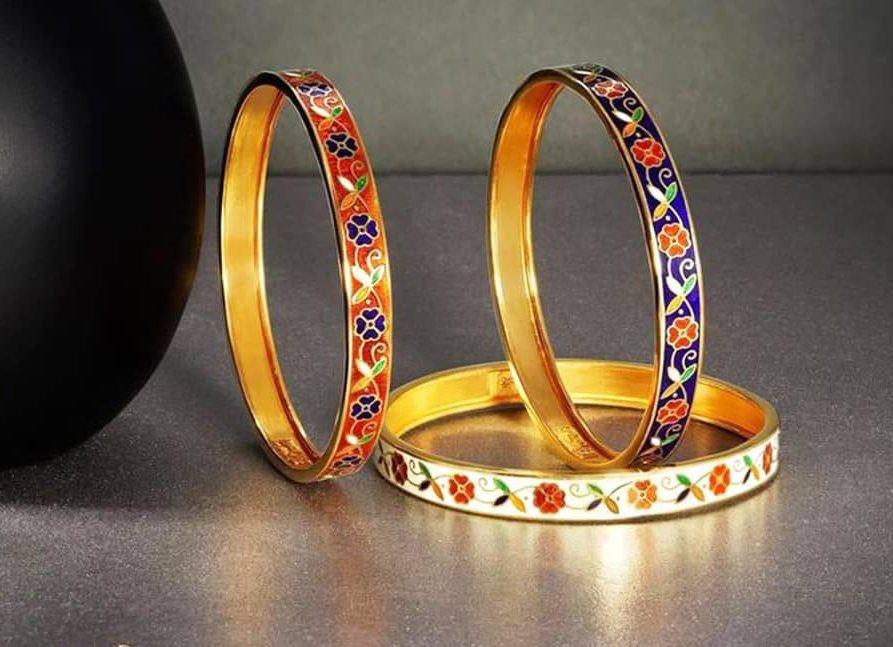
In Persian jewelry, Minakari (enamel work) is used to create stunning pieces that reflect the vibrant colors and intricate patterns of Persian tilework. Artisans paint intricate floral and geometric designs onto gold or silver surfaces, creating pieces that are both colorful and detailed.
- Minakari Necklaces and Earrings: These pieces are often painted in bold blues, greens, and reds, reminiscent of the tilework seen in Persian mosques and palaces. The combination of vibrant colors and delicate patterns makes Minakari jewelry stand out as a unique blend of art and craftsmanship.
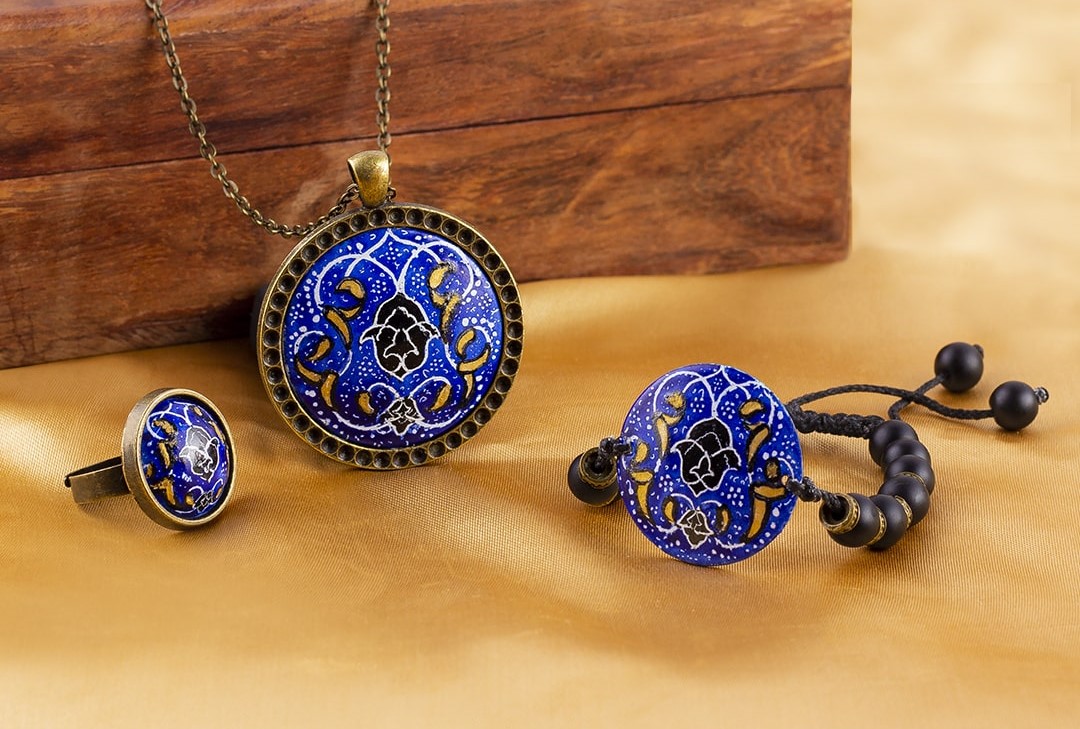
- Enamel Bracelets: Enamel bracelets featuring geometric or floral patterns in vivid colors bring the beauty of Persian architecture to life in wearable form, symbolizing eternity, beauty, and creativity.
Conclusion: Persian Architecture as a Timeless Influence on Jewelry Design
Persian architecture has left an indelible mark on Iranian jewelry design, inspiring artisans with its geometric precision, elegant arches, floral motifs, and vibrant tilework. Whether through intricate filigree, enamel work, or the use of geometric shapes, jewelry designers continue to honor the legacy of Persian architecture, creating pieces that reflect both tradition and innovation.
At LetsGoYelo, we celebrate the beauty of Persian design by offering a collection of jewelry that draws inspiration from iconic Iranian structures. Explore our range of architecturally inspired pieces and experience the fusion of Persian art and contemporary craftsmanship.