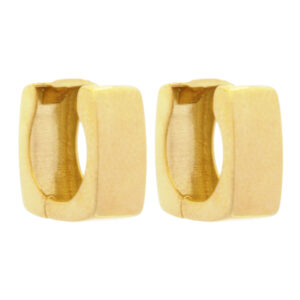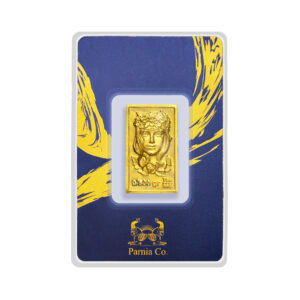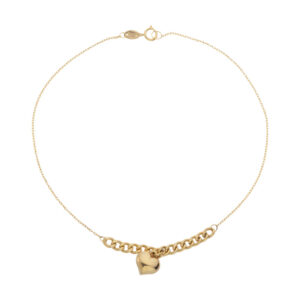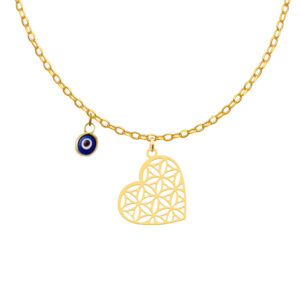
Iran’s rich history of jewelry-making dates back thousands of years, reflecting the country’s deep-rooted cultural and artistic traditions. For centuries, Iranian jewelers have passed down their skills through generations, preserving the intricate techniques and methods that have defined Persian jewelry craftsmanship. These traditional methods remain central to the creation of beautiful, symbolic, and highly sought-after pieces.
In this post, we explore the traditional techniques and tools used in Iranian jewelry-making, offering a glimpse into the artistry and skill behind each handcrafted piece.
1. Metalwork: The Foundation of Persian Jewelry
At the heart of traditional Iranian jewelry is metalworking, particularly with gold, silver, and copper. Iranian jewelers have long been celebrated for their ability to manipulate these metals into delicate, detailed designs. The process of metalworking involves several steps, each requiring precision and mastery.
Hammering and Shaping
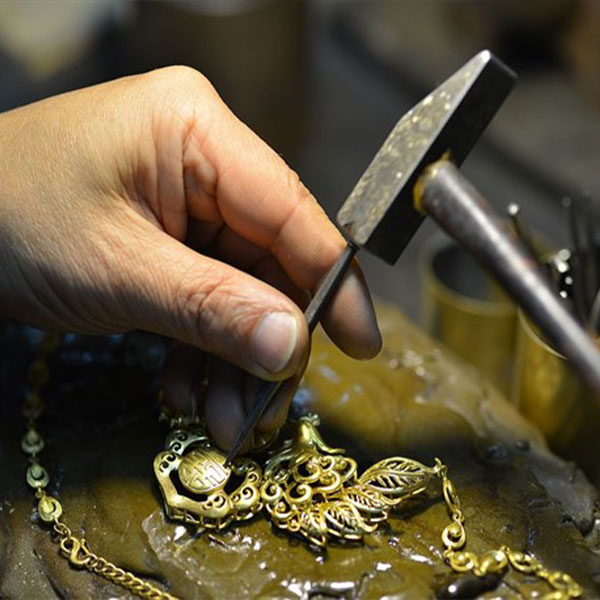
One of the oldest techniques in Iranian jewelry-making is hammering, where the metal is pounded into thin sheets or specific shapes. Using simple tools like hammers and anvils, artisans carefully shape the metal into intricate patterns, preparing it for the next stage of the process. This method is often used to create bracelets, earrings, and necklaces, which feature complex geometric or floral designs.
Engraving (Ghalamzani)
Engraving, known in Persian as Ghalamzani, is a traditional method of adding decorative designs to metal surfaces. This technique involves etching intricate patterns into the metal using fine chisels and hammers. The art of Ghalamzani has been practiced in Iran for centuries, with motifs often drawn from nature, such as flowers, animals, and vines.
The precision required for engraving is immense, as the artisan must carefully create deep, clean lines in the metal. The result is a piece that not only has depth but also displays fine craftsmanship and artistic flair.
2. Filigree (Tarkeh Dozi): Lace-Like Metalwork
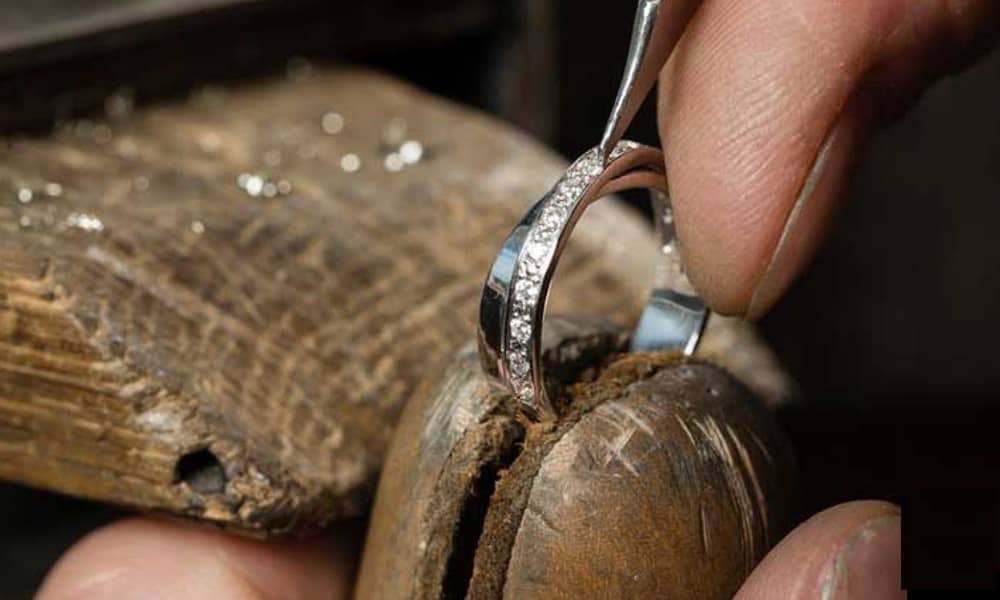
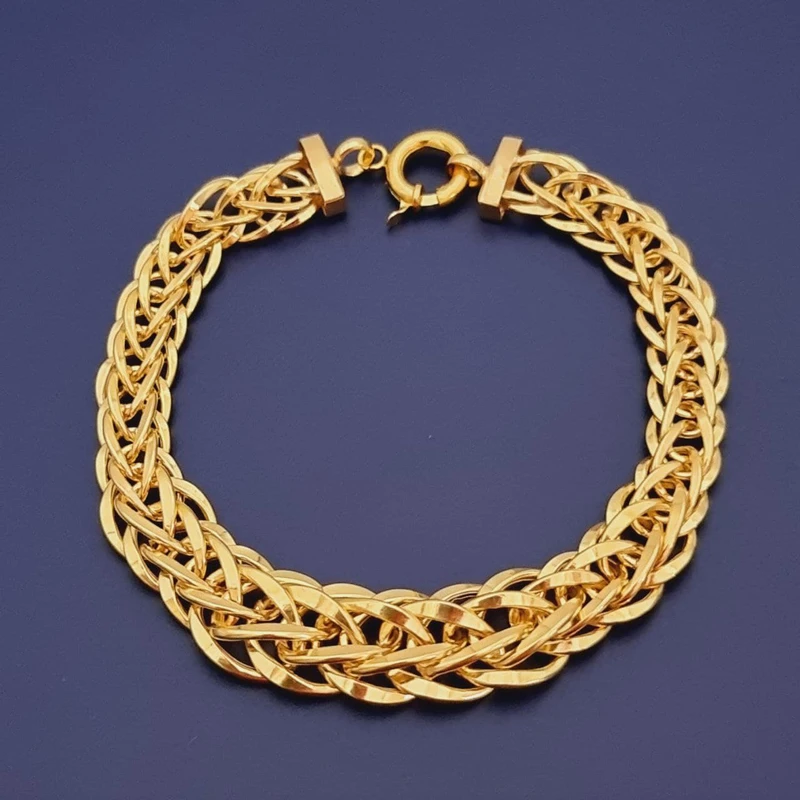
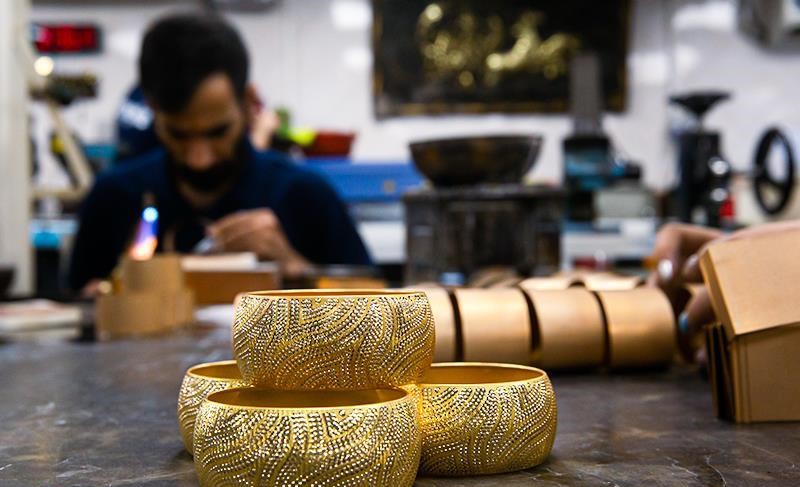
Filigree is one of the most delicate and sophisticated techniques used in Iranian jewelry-making. It involves twisting fine threads of gold or silver to create intricate, lace-like designs. The threads are woven together to form delicate patterns, often in the shapes of flowers, leaves, and geometric figures.
The Process of Filigree
- First, the jeweler stretches the metal into extremely fine wires.
- These wires are then twisted and curled into various shapes and patterns.
- Finally, the design is soldered onto a base metal frame to hold it in place.
Filigree is a time-consuming process that requires exceptional skill and patience. The result is a lightweight, airy piece of jewelry that is incredibly detailed and delicate in appearance, making it a favorite for items like earrings, pendants, and brooches.
3. Enamel Work (Minakari): Painting with Fire
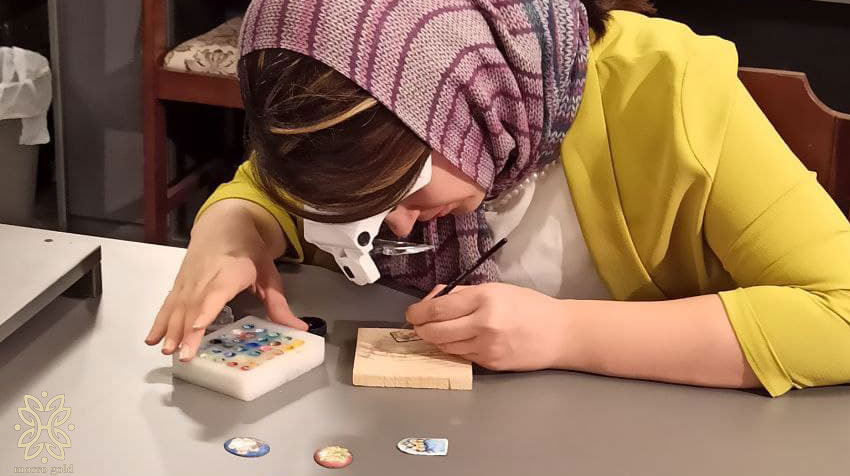
Minakari, or enamel work, is a traditional technique where powdered glass enamel is fused to metal at high temperatures to create vibrant, colorful designs. Iranian artisans have perfected this art form over centuries, using it to decorate gold, silver, and copper jewelry. The result is stunning pieces with vivid blue, red, green, and turquoise hues that are characteristic of Persian art.
The Minakari Process
- The surface of the metal is first prepared by cleaning and smoothing it.
- A fine layer of enamel powder is then applied to the metal surface.
- The piece is fired in a kiln, where the enamel melts and fuses to the metal, creating a smooth, glossy surface.
- Multiple layers of enamel are sometimes applied, with different colors, to create a multi-dimensional effect.
Enamel work is often used to create decorative pendants, brooches, and bangles, where the colorful designs add vibrancy and beauty to the intricate metalwork.
4. Stone Setting: A Tradition of Incorporating Precious Gems
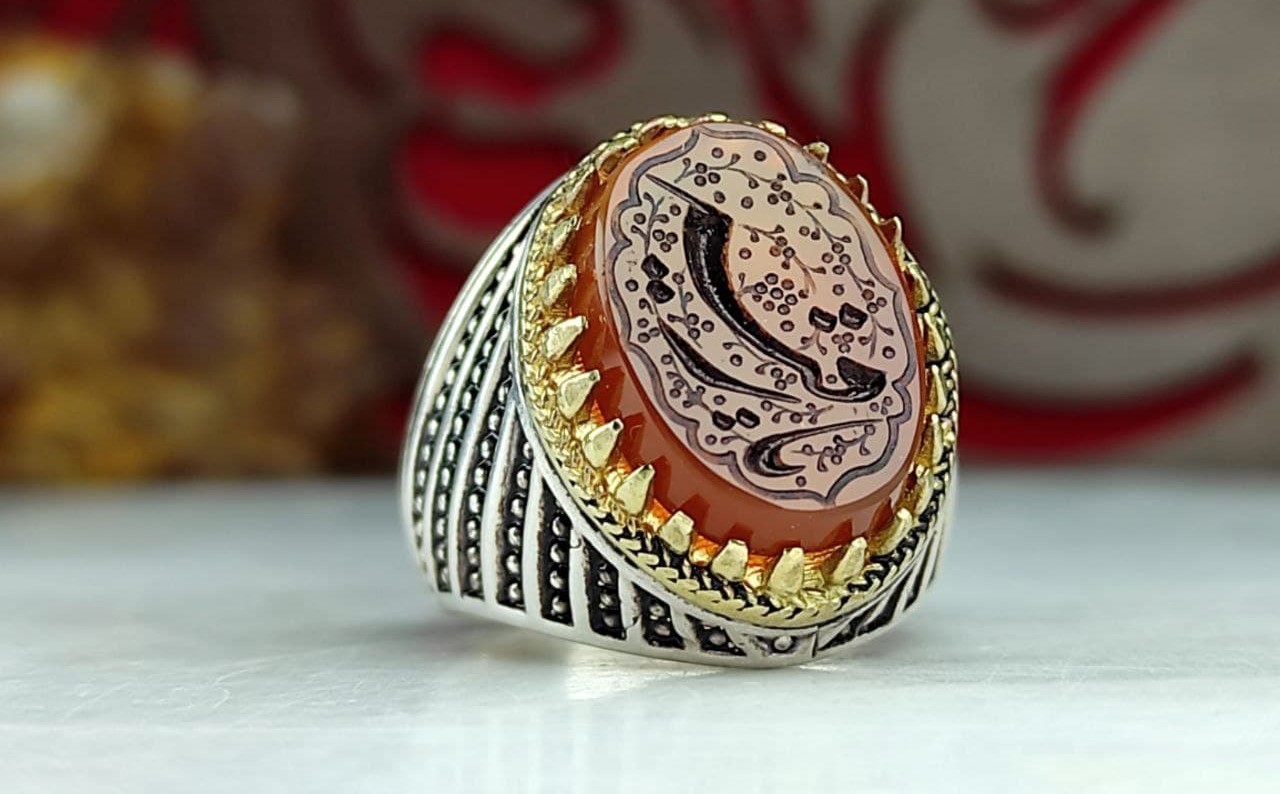
Iran has a long history of using precious and semi-precious stones in its jewelry, with stones like turquoise, agate, lapis lazuli, and garnet being among the most favored. The technique of stone setting is another important aspect of traditional jewelry-making in Iran, where skilled artisans carefully place these stones into the jewelry in ways that enhance their natural beauty.
Techniques of Stone Setting
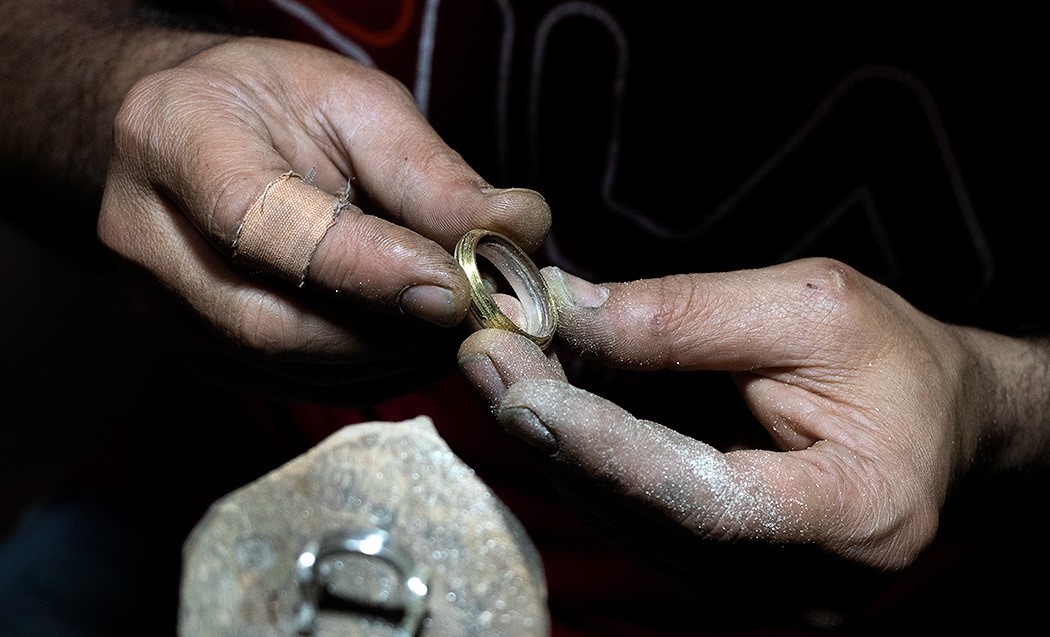
- Bezel Setting (Shabgir): In this method, the stone is held in place by a thin band of metal that encircles the stone. It is one of the oldest methods and is still widely used in Iranian jewelry. The bezel is carefully hammered down to secure the stone, providing both durability and a clean, polished look.
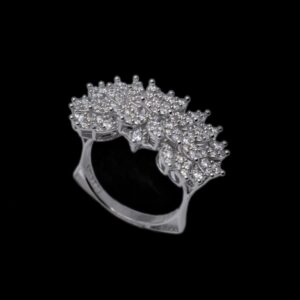
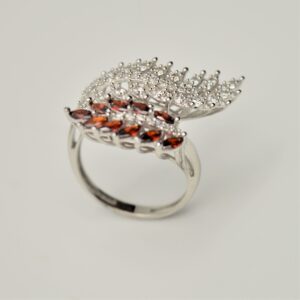
- Pave Setting (Daneh Dozi): This technique involves placing small stones closely together, almost like paving a surface. The stones are set into tiny holes in the metal and secured with small prongs. Pave settings create a continuous surface of sparkling gems, making it popular in rings, earrings, and brooches.
- Inlay (Khatam Kari): In this technique, stones are inlaid into the surface of the metal to create a flush, smooth design. The jeweler cuts the metal precisely to fit the stone, creating intricate patterns with the combination of metal and gemstone.
5. Lost-Wax Casting: An Ancient Technique for Complex Designs
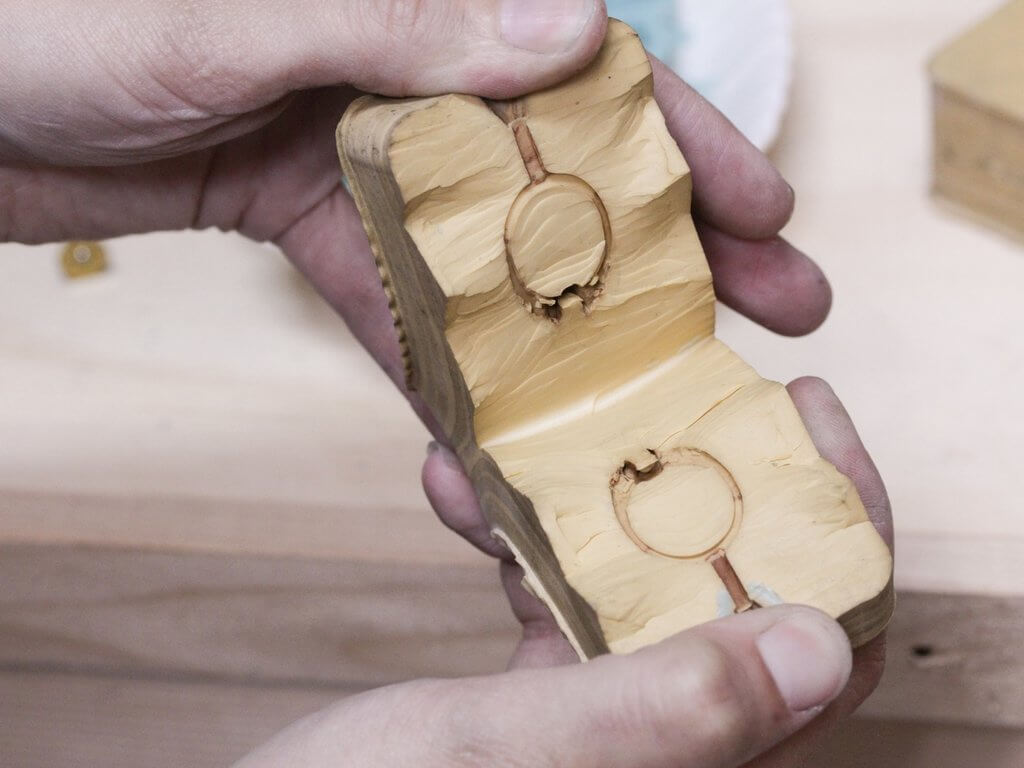
Lost-wax casting is a traditional method that dates back to ancient times in Iran. This technique allows for the creation of highly detailed and complex designs that would be difficult to achieve through other methods. It has been used in Persian jewelry-making for centuries, particularly in creating ornate rings, pendants, and small sculptures.
The Lost-Wax Casting Process
- A model of the piece is first sculpted in wax.
- The wax model is then coated in a heat-resistant material, creating a mold.
- Once the mold is heated, the wax melts and is “lost,” leaving behind a hollow space in the shape of the design.
- Molten metal is then poured into the mold, filling the space where the wax once was.
- Once the metal cools and hardens, the outer mold is broken away, revealing the finished piece.
Lost-wax casting allows for the creation of intricate, three-dimensional designs and is a favorite technique for producing ornate pendants, detailed rings, and small metal figurines.
6. Granulation: Tiny Beads, Big Impact
Granulation is an ancient technique that involves creating tiny, spherical beads of metal and arranging them on a jewelry piece to form detailed patterns. This technique has been used in Iran for centuries, particularly during the Achaemenid and Sassanid eras. Granulated designs often appear as floral motifs, geometric shapes, or abstract patterns.
The Process of Granulation
- The jeweler forms tiny metal beads, typically made from gold or silver.
- These beads are carefully placed onto the surface of the jewelry in the desired pattern.
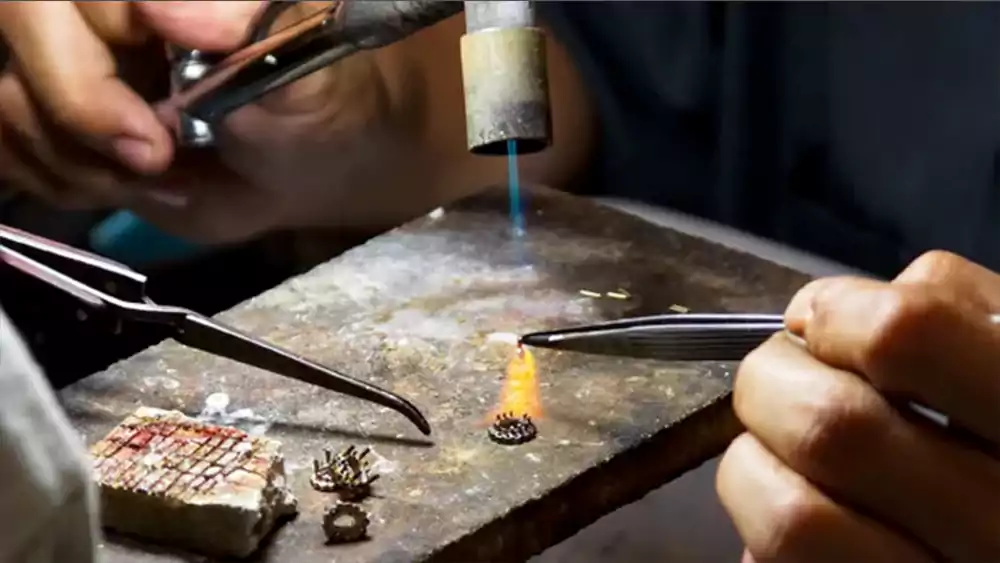
- The beads are then soldered in place using a precise heating process.
Granulation adds texture and complexity to jewelry, giving it a distinctive look that emphasizes both skill and creativity.
7. Tools of the Trade: A Jeweler’s Arsenal
Traditional Iranian jewelers rely on a variety of tools to execute these intricate techniques. Some of the key tools include:
- Hammers and Anvils: Used for hammering and shaping metals.
- Chisels: Essential for engraving fine patterns into metal surfaces.
- Files and Buffing Tools: Used to smooth edges and polish the metal to a high shine.
- Soldering Torches: For joining metal pieces and setting stones.
- Kilns: For firing enamel and metal during processes like Minakari and lost-wax casting.
These tools often passed down through generations, are central to maintaining the precision and craftsmanship of traditional Iranian jewelry-making.
Conclusion: A Timeless Tradition of Beauty and Craftsmanship
Iran’s traditional jewelry-making techniques have stood the test of time, preserving the artistic heritage of the country while continuing to inspire modern designs. From the delicate filigree work to the bold use of enamels and gemstones, these methods reflect the incredible skill and attention to detail that have defined Persian jewelry for centuries.
At LetsGoYelo, we are proud to offer pieces that honor these age-old techniques, bringing the beauty and history of Iranian craftsmanship to you. Explore our collection and discover the timeless allure of traditional Persian jewelry.