The Art of Enamel in Iranian Jewelry: An Introduction to the Traditional Craft of Enameling
Enamel work, known as Minakari in Persian, is one of the most ancient and revered decorative arts in Iran. This intricate craft involves applying and fusing layers of vibrant colored enamel onto metal surfaces, primarily gold, silver, or copper, to create stunning jewelry and art pieces. The use of enamel in Iranian jewelry dates back centuries, and it has remained a popular form of artistic expression throughout the country’s history.
In this post, we’ll explore the history, techniques, and cultural significance of Minakari in Iranian jewelry, highlighting the craftsmanship that continues to define this traditional art form.
1. The History of Minakari in Iran: Ancient Origins and Cultural Heritage
The art of enameling has a long and storied history in Iran, with roots that date back to the Achaemenid Empire (550–330 BCE). However, the craft reached its zenith during the Safavid dynasty (1501–1736), when artisans perfected the techniques of Minakari and began incorporating it extensively into jewelry, decorative objects, and architectural embellishments.
The Rise of Minakari during the Safavid Era
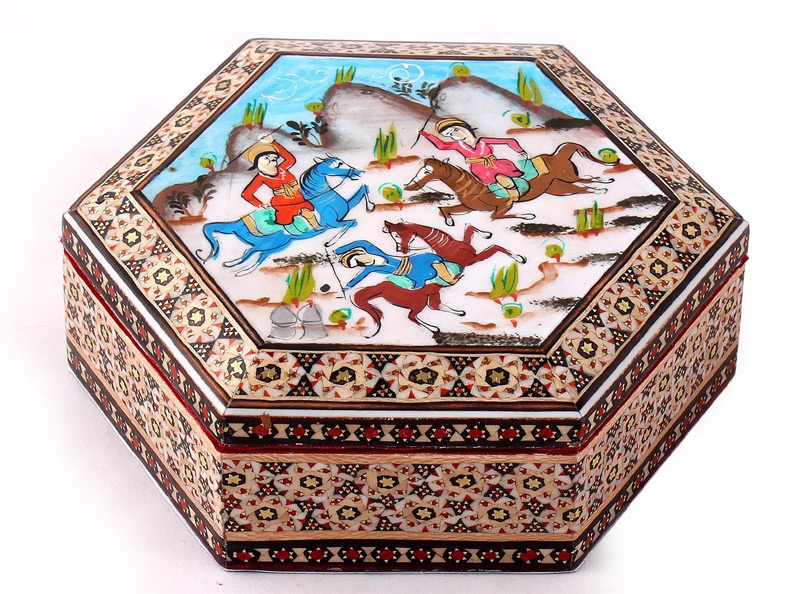
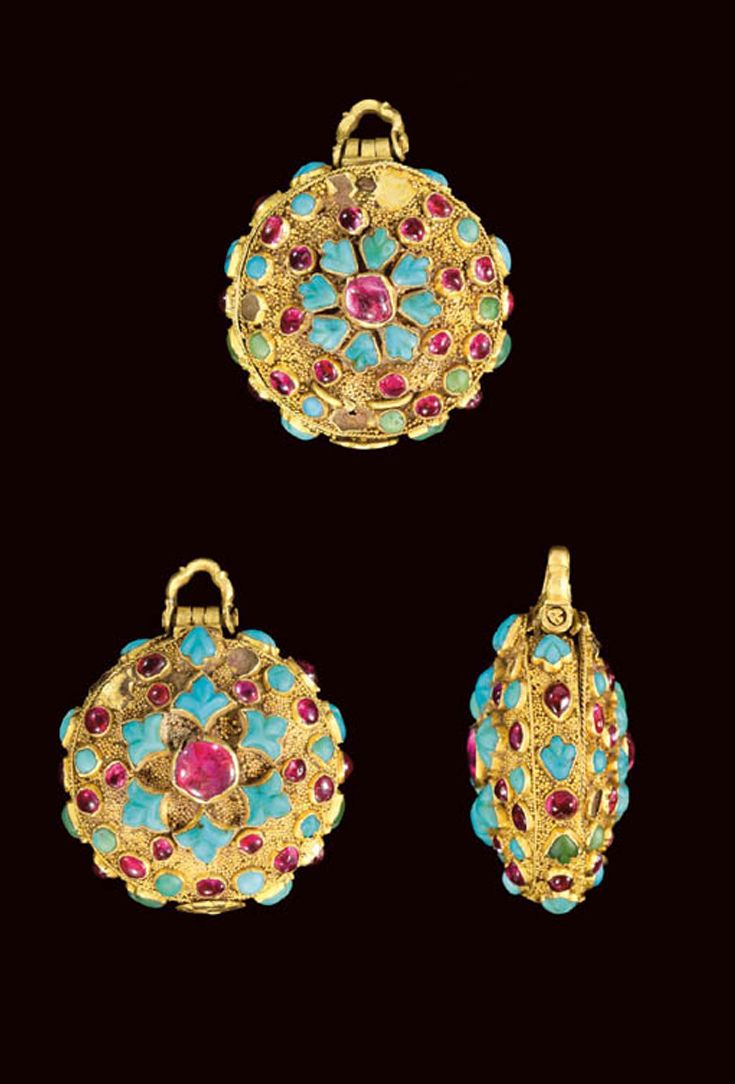
During the Safavid era, Iran became a center of artistic and cultural innovation, with the royal court patronizing a wide range of artisans, including goldsmiths, jewelers, and enamelers. The Safavid rulers, particularly Shah Abbas I, encouraged the creation of elaborate enamel pieces that reflected the empire’s grandeur. Minakari jewelry from this period was often adorned with bright colors, floral patterns, and Islamic geometric designs, showcasing the skill and creativity of Persian artisans.
The technique of Minakari also flourished in other artistic domains, including vases, cups, and decorative plates, many of which featured enamel designs that echoed the beauty of Persian gardens and mosaics.
2. The Process of Minakari: A Complex Craft
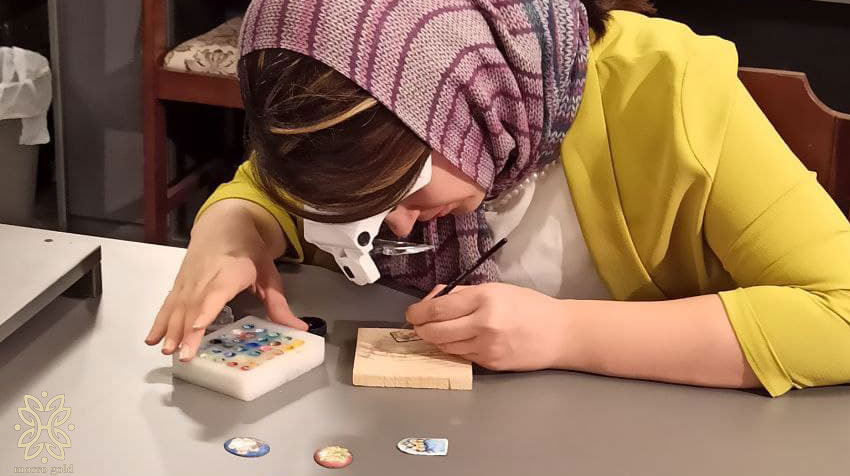
The creation of enamel jewelry is a highly intricate process that requires patience, precision, and artistic vision. Artisans use a combination of metalwork and enamel painting to produce jewelry that is both durable and visually stunning. The process of Minakari involves several steps, each of which requires mastery to achieve the vibrant and delicate results for which the craft is known.
Key Steps in the Minakari Process
- Metal Preparation: The process begins with the preparation of the base metal, which is typically copper, silver, or gold. The metal surface is shaped into the desired form—whether it’s a ring, pendant, bracelet, or earring—and then meticulously polished to create a smooth surface.
- Designing the Pattern: Artisans either engrave the design onto the metal or use a cloisonné technique, where thin metal wires are arranged to create compartments on the surface. These compartments will later hold the colored enamel.
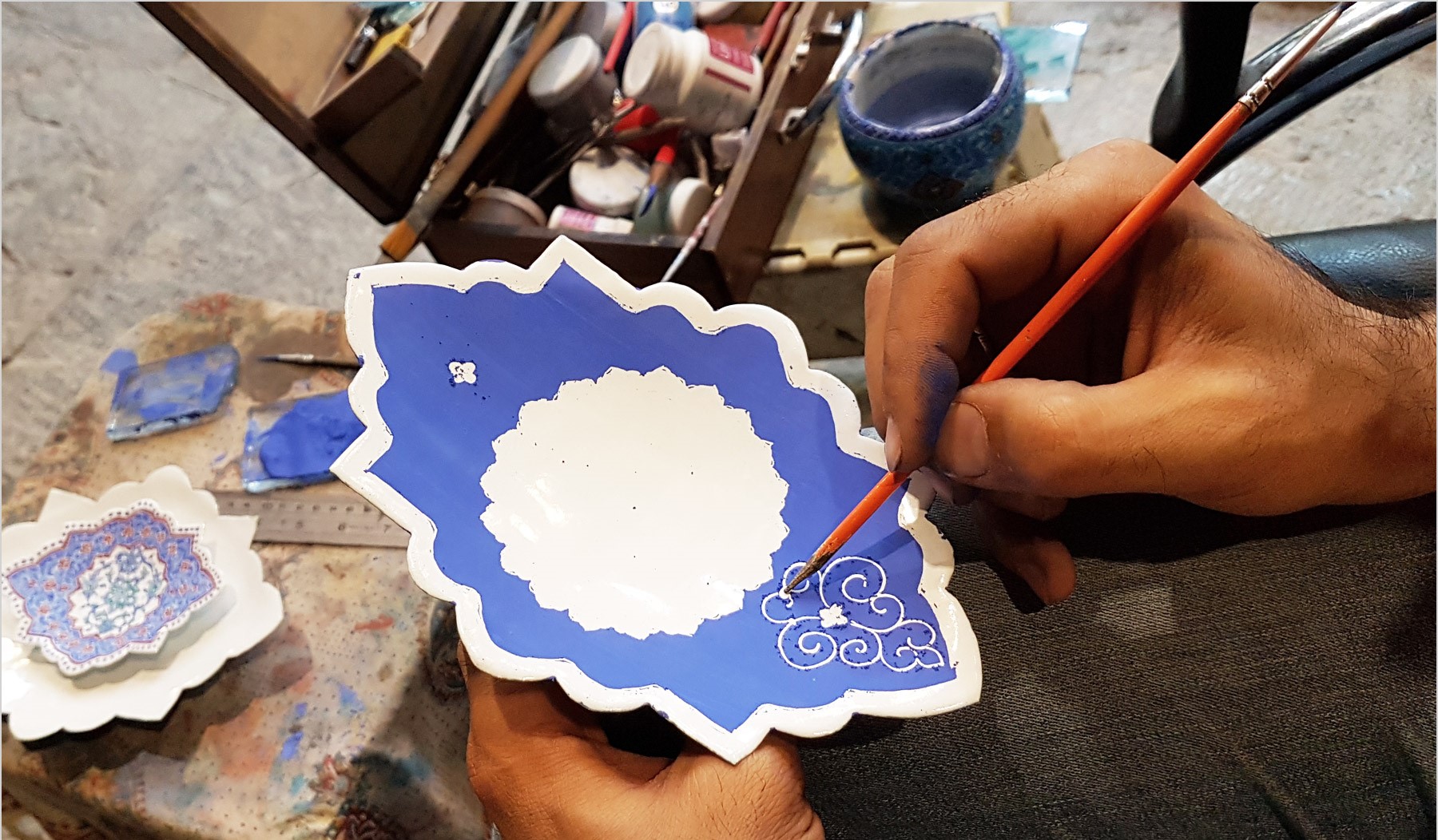
- Applying the Enamel: The powdered enamel (which is made from crushed glass mixed with various pigments) is carefully applied to the metal surface. Different sections of the design are filled with different colors, creating the complex and intricate patterns that are characteristic of Persian Minakari.
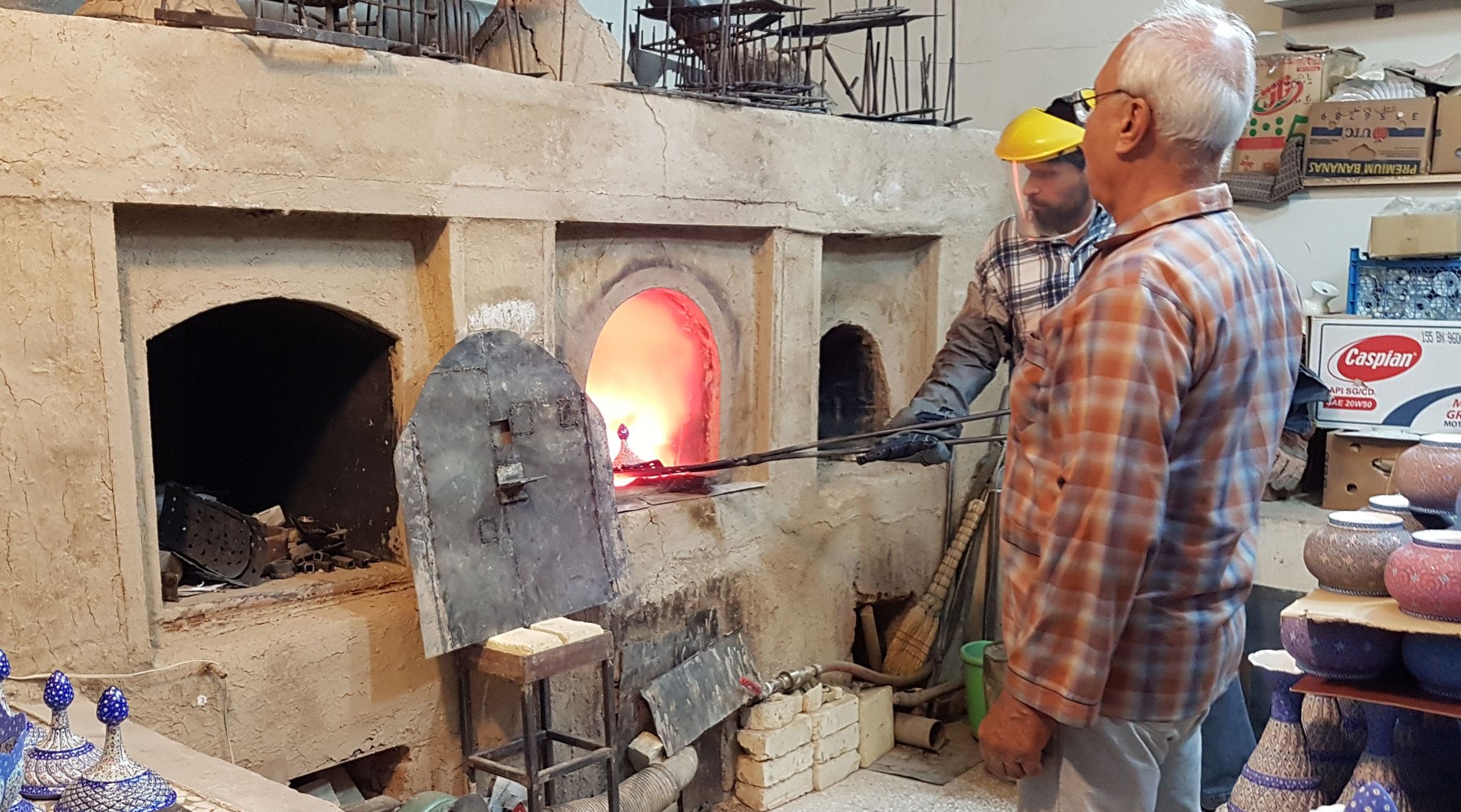
- Firing: After the enamel is applied, the piece is placed in a kiln and fired at high temperatures. The heat melts the enamel, fusing it to the metal surface. The process may be repeated multiple times to build up layers of color and ensure a vibrant finish.
- Polishing and Finishing: Once the enamel has cooled, the jewelry is polished to reveal its full brilliance. Any final touches, such as engraving or the addition of gemstones, may be added at this stage.
The Use of Colors in Minakari
One of the defining features of Minakari jewelry is its use of vibrant colors. The traditional palette includes turquoise blues, deep reds, greens, and yellows, all of which are combined to create intricate, eye-catching designs. The colors are symbolic as well—blue often represents the sky and spirituality, while red signifies passion and vitality.
3. Minakari in Iranian Jewelry: Symbolism and Tradition
The art of Minakari holds deep cultural significance in Iran. Each piece of enamel jewelry is not only a testament to the artisan’s skill but also carries symbolic meaning. The designs often reflect motifs from Persian poetry, nature, and mythology, making these pieces much more than decorative items.
Common Motifs and Designs
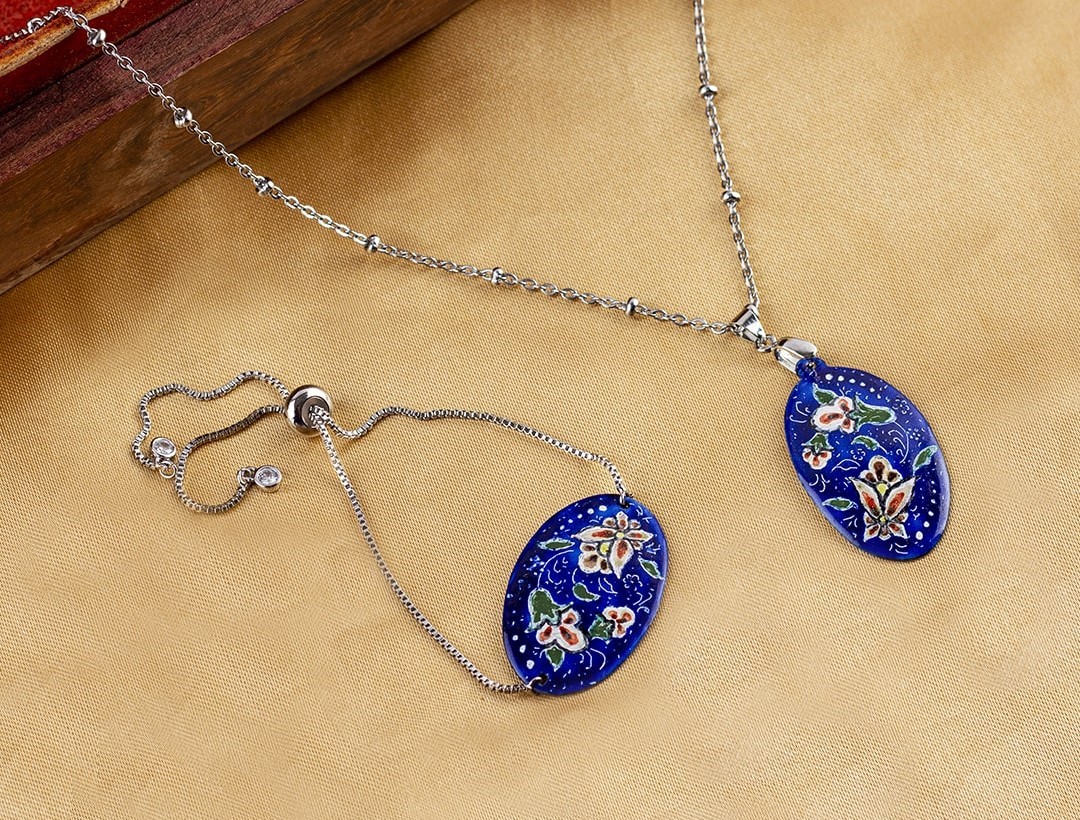
- Floral Patterns: Inspired by the concept of Persian gardens, floral motifs in Minakari jewelry represent eternal beauty and paradise. The intricate flower designs are often framed by geometric patterns that reflect the harmonious balance of nature and art.
- Islamic Geometric Designs: The influence of Islamic art is strong in Minakari, with geometric patterns symbolizing the infinite nature of creation and the unity of the universe. These designs often include stars, hexagons, and repeated motifs, reflecting the mathematical precision of Islamic design.
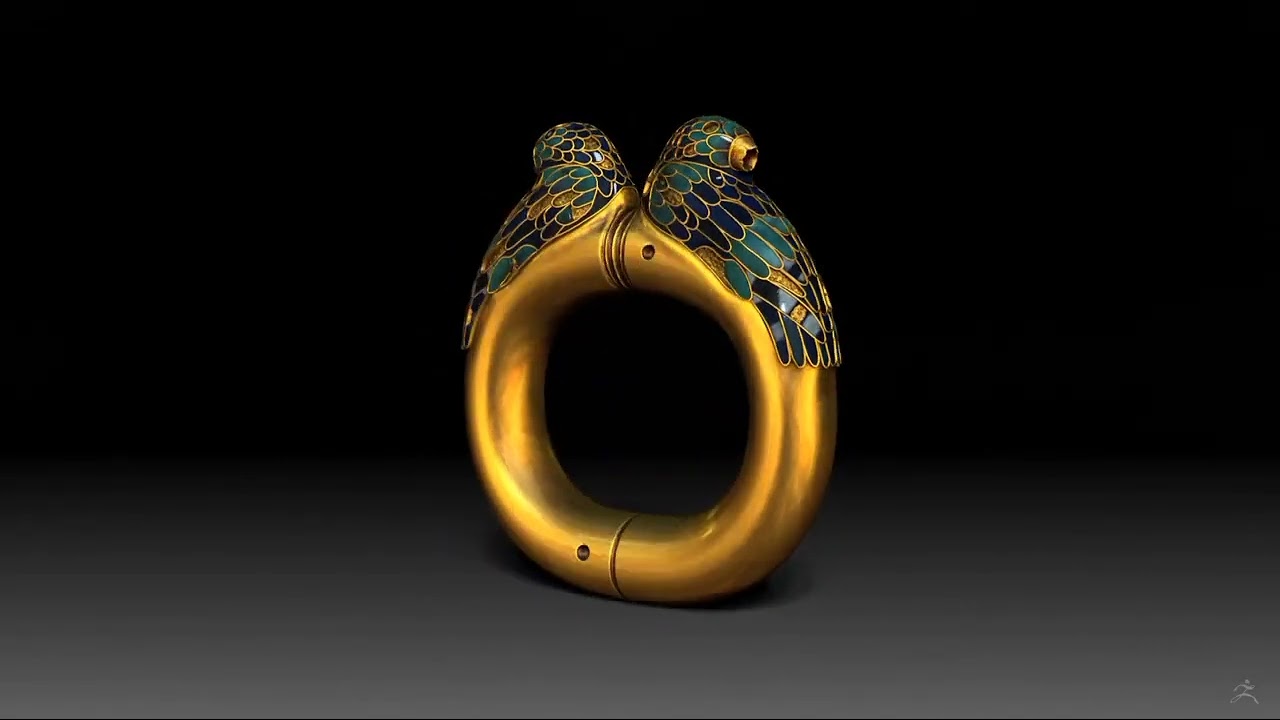
- Birds and Mythical Creatures: The use of birds, particularly the Simurgh (a mythical bird symbolizing wisdom and rebirth), is common in Persian enamel jewelry. These symbols reflect the rich heritage of Persian mythology and are often used in pendants and earrings.
Cultural Significance
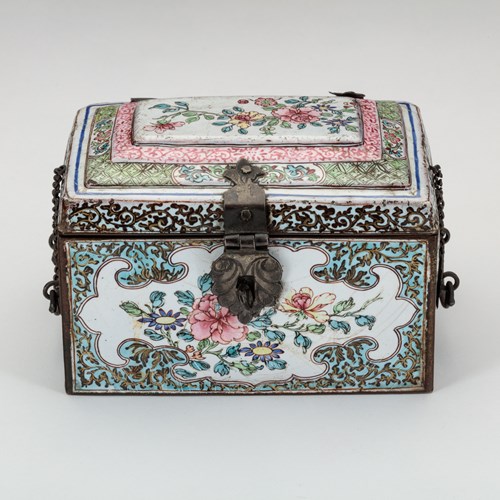
Minakari is deeply rooted in Persian culture, with its designs often representing themes of love, beauty, spirituality, and connection to nature. Wearing Minakari jewelry allows individuals to carry these rich cultural values with them, making the pieces not just adornments but also symbols of identity and tradition.
4. The Revival of Minakari: Contemporary Iranian Jewelry
In recent years, there has been a resurgence of interest in traditional Persian arts, including Minakari. Contemporary Iranian jewelry designers are blending ancient techniques with modern styles, creating pieces that appeal to both local and international audiences. While traditional motifs remain central to the craft, modern designers are experimenting with new forms, simpler patterns, and a broader range of colors.
Modern Trends in Minakari Jewelry
- Minimalist Designs: While traditional Minakari is known for its elaborate patterns, modern designers are embracing minimalism, focusing on simpler, more refined designs that appeal to contemporary tastes. These pieces often feature single colors or geometric shapes with minimal detailing.
- Mixed Materials: Some modern artisans are experimenting with mixed materials, incorporating precious stones like turquoise or onyx into their enamel work to add texture and depth to the designs.
- Global Appeal: Iranian enamel jewelry is gaining popularity beyond Iran’s borders, with international collectors and fashion enthusiasts appreciating the unique craftsmanship and artistry of Minakari. As a result, more modern interpretations of this ancient craft are appearing in global markets, ensuring that Minakari remains a relevant and celebrated art form.
5. The Role of Minakari in Persian Weddings and Cultural Celebrations
Minakari jewelry has long been an essential part of Persian weddings and cultural celebrations. Brides often wear elaborate enamel necklaces, earrings, bracelets, and rings as part of their bridal attire, symbolizing beauty, wealth, and family heritage.
Minakari in Weddings
- Bridal Sets: Complete sets of Minakari jewelry are often gifted to brides as part of their dowry, and these sets typically include matching necklaces, earrings, and bracelets. The vibrant colors and intricate designs represent prosperity and happiness in marriage.
- Heirloom Jewelry: In many Iranian families, Minakari pieces are passed down through generations, becoming cherished heirlooms. These pieces carry the legacy of craftsmanship and family traditions, adding to their sentimental value.
Cultural Celebrations
Minakari jewelry is also worn during other important celebrations, such as Nowruz (Persian New Year), where it symbolizes renewal and hope for the future. The vibrant colors of Minakari are often seen as reflective of the joy and optimism of these cultural events.
Conclusion: The Timeless Beauty of Minakari in Iranian Jewelry
The art of Minakari remains one of the most cherished and distinctive forms of Iranian jewelry craftsmanship. Its roots in Persian culture and its ability to blend traditional motifs with modern designs ensure that this art form continues to captivate both local and international audiences. Whether worn as a symbol of heritage, beauty, or spirituality, Minakari jewelry stands as a testament to the enduring artistry of Persian enamel work.
At LetsGoYelo, we offer a curated selection of handcrafted Minakari jewelry, showcasing the timeless beauty of Persian enamel work. Explore our collection and discover the intricate artistry that has defined Minakari for centuries!