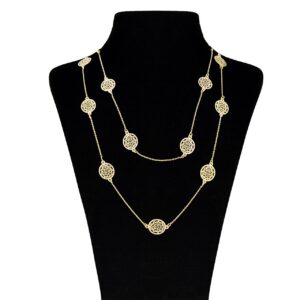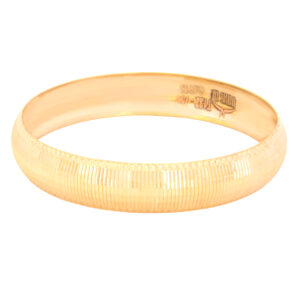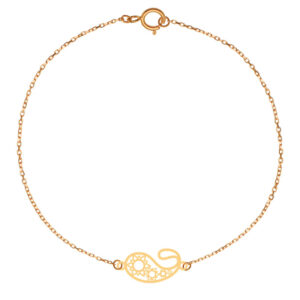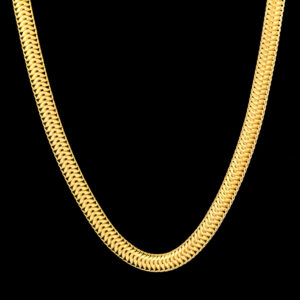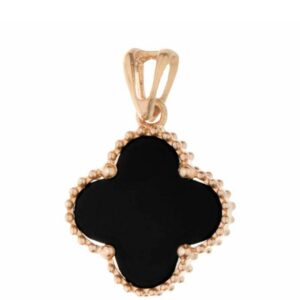
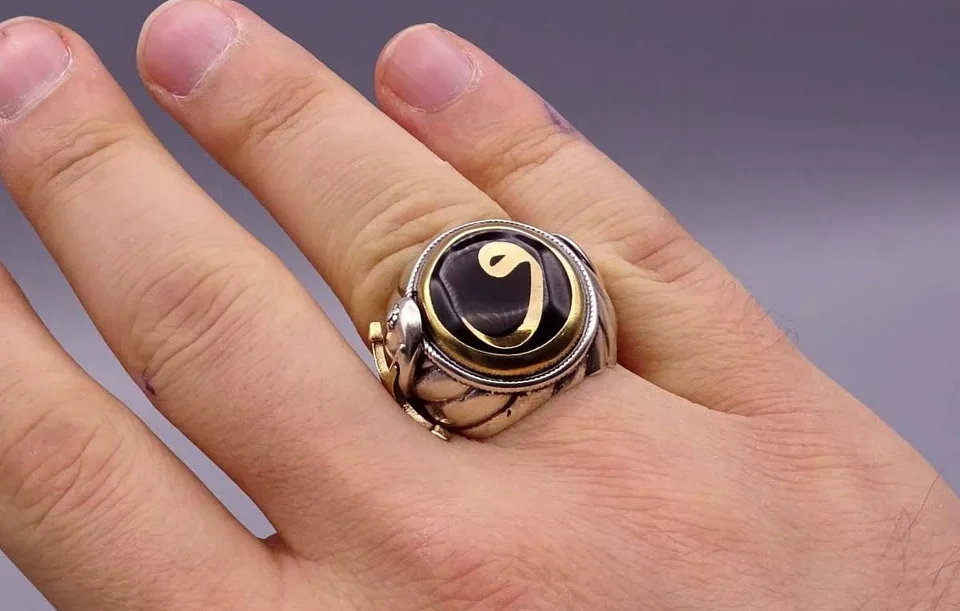
Men’s jewelry in Iran has a long and rich history, evolving from ancient times when it was worn as a symbol of power, status, and protection, to modern-day expressions of personal style and cultural identity. Over the centuries, Iranian men have adorned themselves with rings, necklaces, bracelets, and ammunition belts, each piece carrying symbolic meanings tied to religion, rank, or tribal affiliation.
This post explores the evolution of men’s jewelry in Iran, from the grandeur of the Achaemenid Empire to the minimalist trends of today, highlighting how historical events, cultural shifts, and global influences have shaped the way Iranian men wear and value jewelry.
1. Ancient Iran: Jewelry as a Symbol of Power and Divine Protection
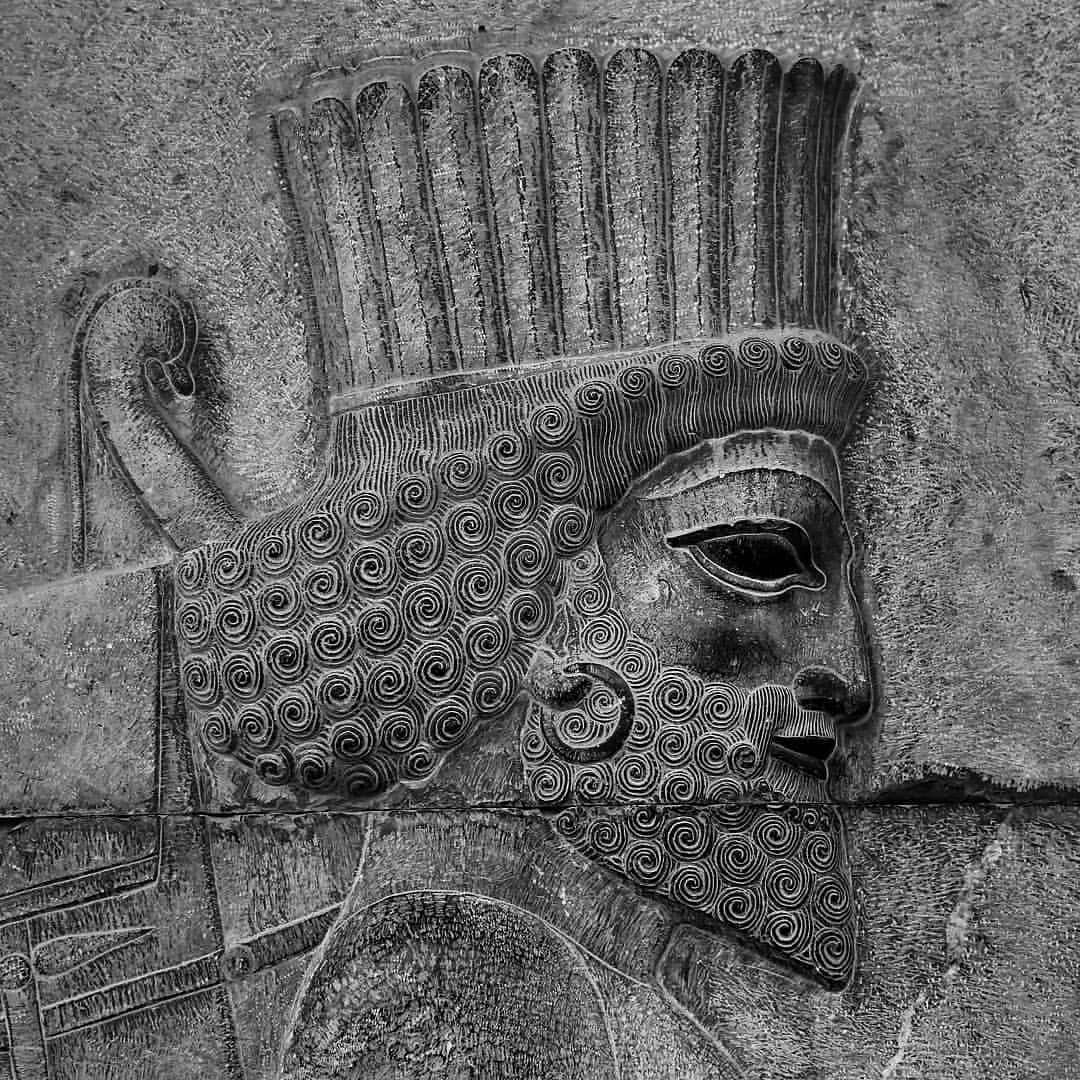
In ancient Persia, particularly during the Achaemenid Empire (circa 550–330 BCE), men’s jewelry played a significant role in denoting royalty, military rank, and divine protection. Jewelry for men was not merely ornamental; it served as a symbol of status, wealth, and religious devotion.
Achaemenid and Sassanian Eras: Gold and Gemstones
Men of the Achaemenid Empire, especially kings and nobles, adorned themselves with lavish jewelry, often made of gold and encrusted with precious stones like turquoise, lapis lazuli, and carnelian. Jewelry pieces were not just symbols of wealth but were believed to offer divine protection and connect the wearer to Ahura Mazda, the Zoroastrian deity.
- Rings: Men’s rings were often engraved with religious symbols or royal insignias, such as the Faravahar (Zoroastrian symbol of divine guidance). These rings were believed to provide spiritual protection.
- Bracelets and Armlets: Men wore heavy gold bracelets or armlets adorned with images of lions, griffins, and mythical creatures, symbolizing their strength and connection to the divine.
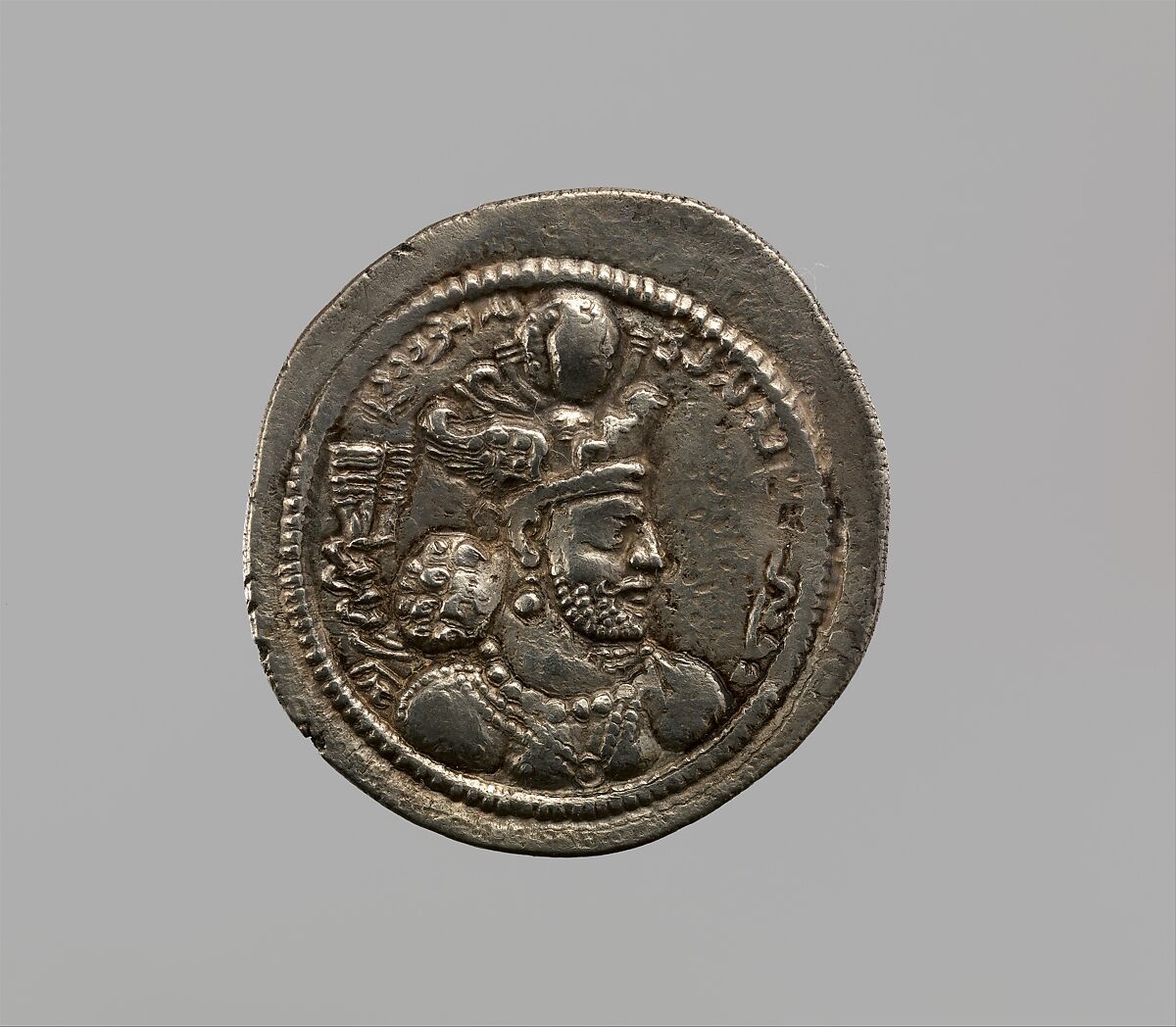
Sasanian Dynasty (224–651 CE): Intricate Designs and Personal Adornment
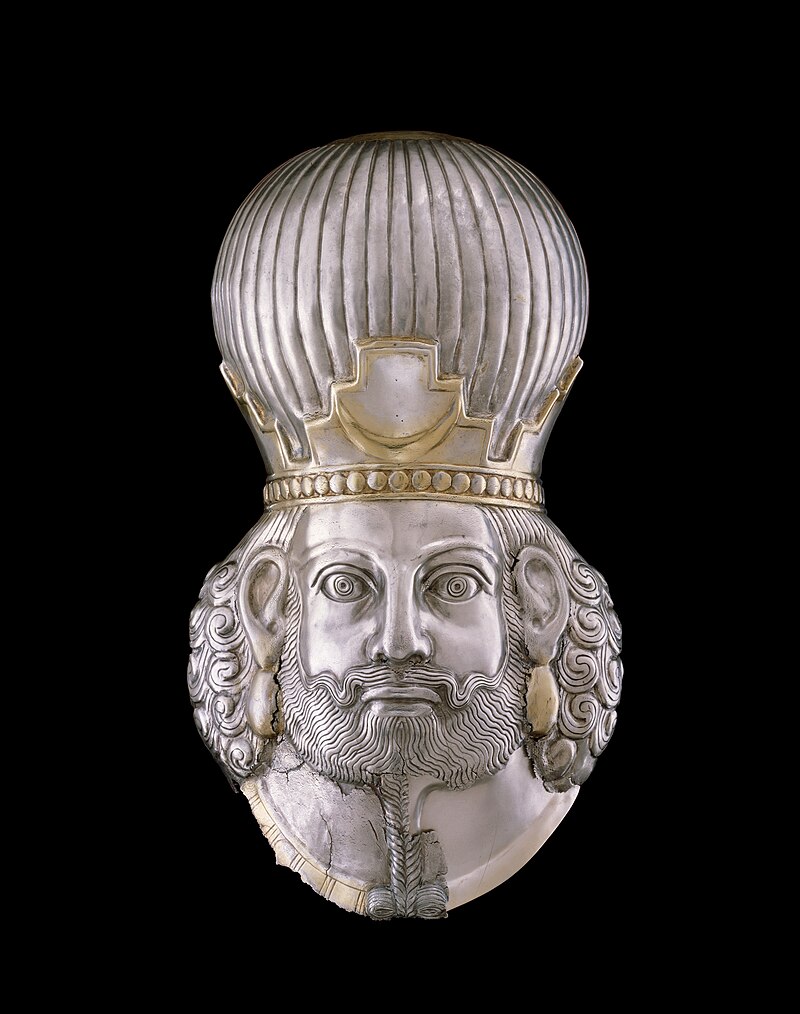
The Sasanian period saw a continuation of luxurious men’s jewelry, with a focus on detailed engraving and stone inlay. Rings and brooches from this era often featured Zoroastrian symbols and images of Persian kings, further emphasizing the connection between jewelry and royal power.
- Signet Rings: The use of signet rings was common, where men would wear rings engraved with their family crest or royal symbols used to seal documents, showcasing their authority and status.
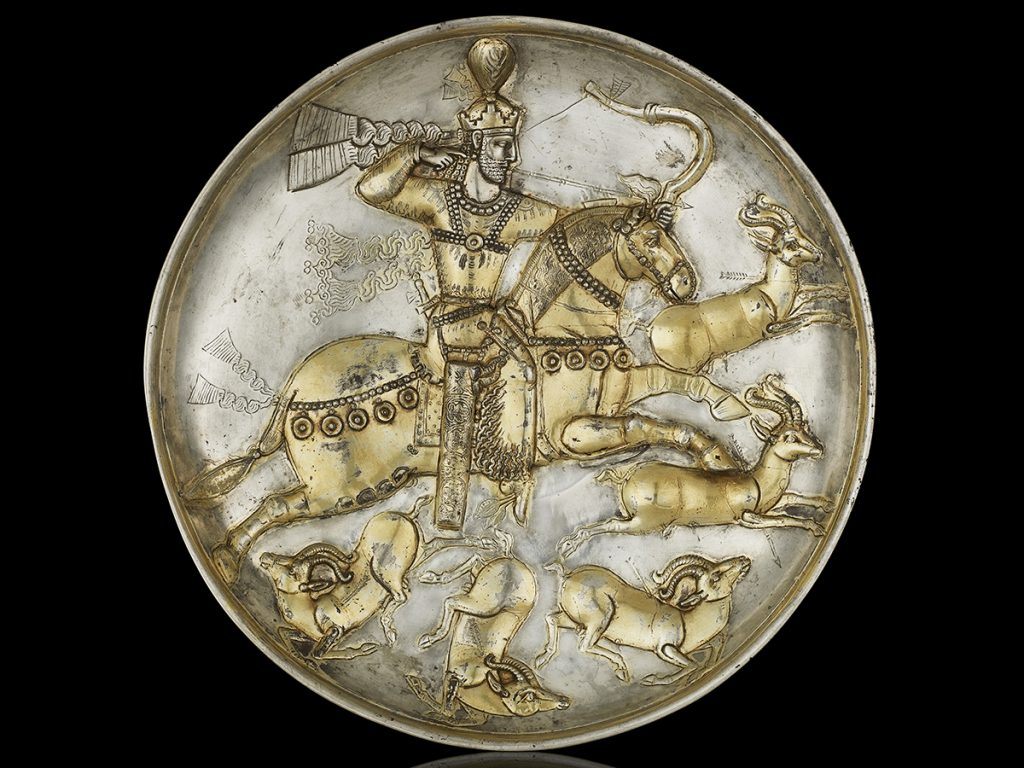
2. Medieval and Islamic Periods: Jewelry as a Spiritual and Social Marker
During the Islamic period (7th century onwards), jewelry continued to be important, but its role and symbolism shifted. As Islam became the dominant religion in Iran, men’s jewelry became more modest, focusing on functional and religious aspects.
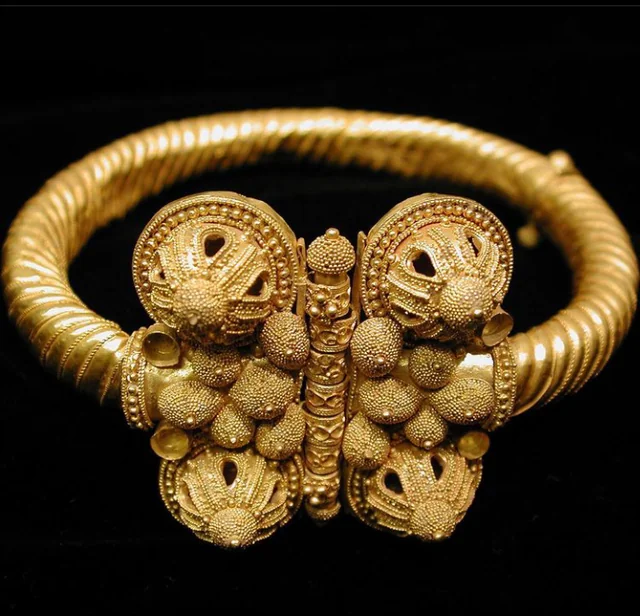
Seljuk and Safavid Dynasties: Spiritual Jewelry
During the Seljuk (11th–13th centuries) and Safavid (16th–18th centuries) periods, men’s jewelry was often inspired by Islamic motifs and geometric patterns. Jewelry was less about luxury and more about spiritual significance.
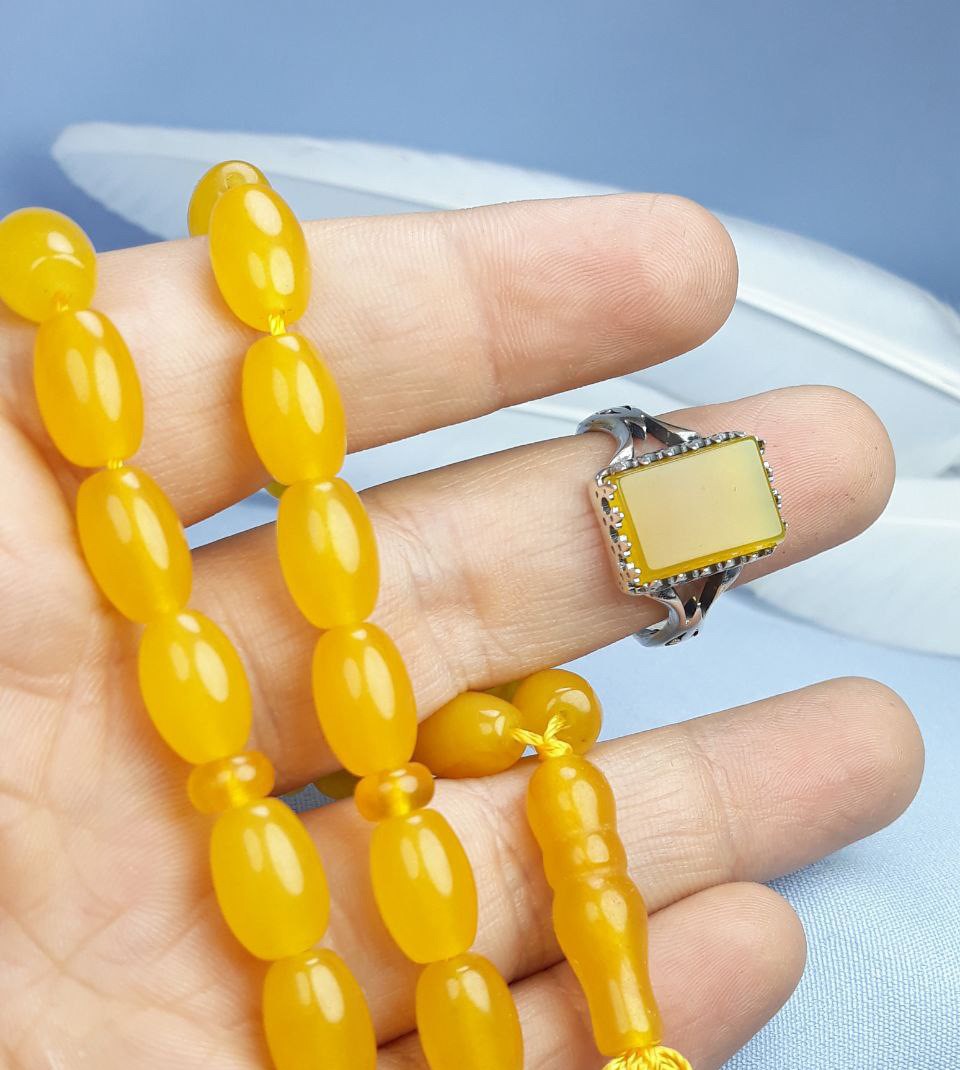
- Prayer Beads: Men began to carry prayer beads made of agate, onyx, or turquoise as part of their religious practice. These beads were often intricately carved and served both as a spiritual tool and a form of jewelry.
- Islamic Calligraphy: Rings and pendants during this period frequently featured Islamic calligraphy, particularly verses from the Quran or prayers for protection. Wearing jewelry inscribed with Quranic verses was believed to offer spiritual guidance and protection.
Ottoman Influence and Tribal Jewelry
In regions where tribal culture thrived, such as in Kurdistan and Baluchistan, men’s jewelry was heavily influenced by tribal traditions. Tribal chiefs and warriors wore ornate silver jewelry and ammunition belts, often decorated with coins and tribal symbols to signify their rank and valor.
- Silver Ammunition Belts: These belts, adorned with engraved designs and silver coins, were both functional and symbolic, reflecting a warrior’s status and tribal identity.
3. Qajar Dynasty: Revival of Opulence and Personal Expression
The Qajar period (1789–1925) marked a revival of opulence and decorative styles in men’s jewelry. Qajar kings and nobles embraced the extravagance of Persian art, often adorned in luxurious jewelry that reflected their power and refinement.
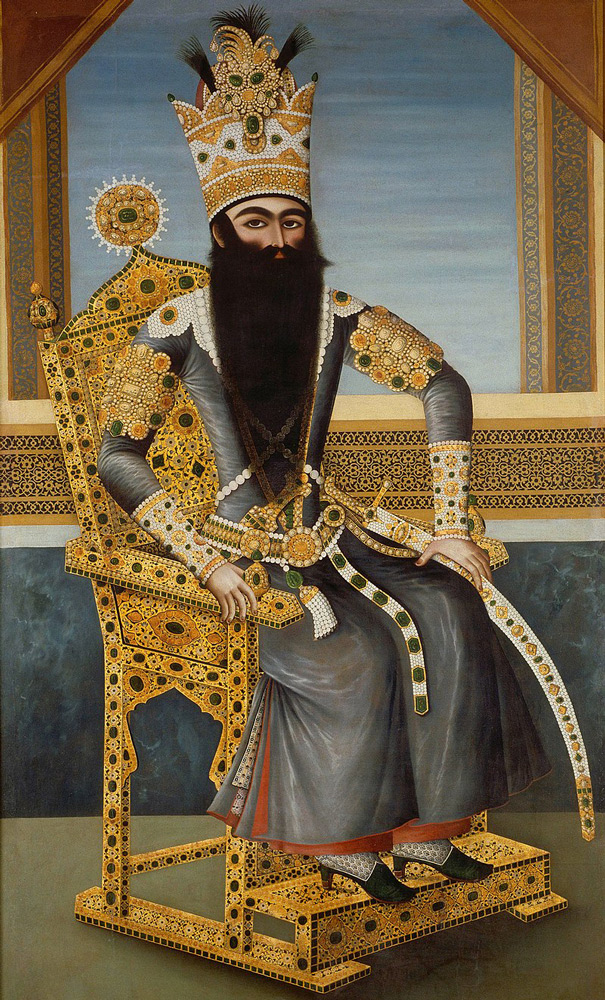
Qajar Kings and Nobility: Embracing Luxury
Men’s jewelry during the Qajar era included a wide array of gold necklaces, elaborate rings, and brooches, often encrusted with diamonds, emeralds, and rubies. These pieces were designed to showcase the wealth and royalty of the wearer.
- Elaborate Rings: Rings worn by Qajar kings were large and ornate, often featuring large gemstones set in gold. These rings symbolized political power and divine favor.
- Brooches and Pendants: Men of the court often wore brooches pinned to their robes or pendants suspended from their necks, adorned with gems, and featuring portraits of the king or religious symbols.
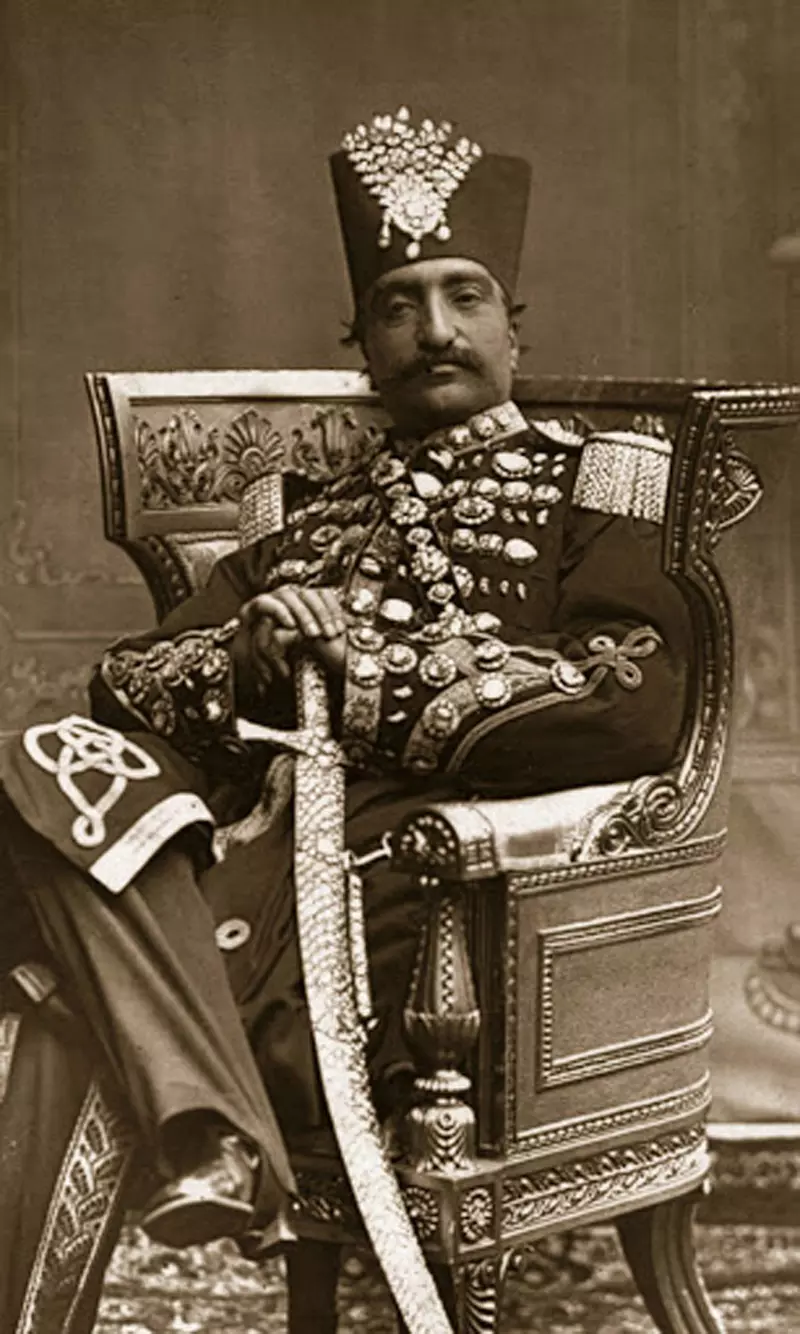
Traditional Jewelry for Common Men
While the royalty displayed opulent jewelry, common men continued to wear more modest pieces, often focusing on prayer rings, stone-studded bracelets, and amulets. Turquoise, in particular, was prized for its protective properties and was commonly worn in jewelry by men across Iran.
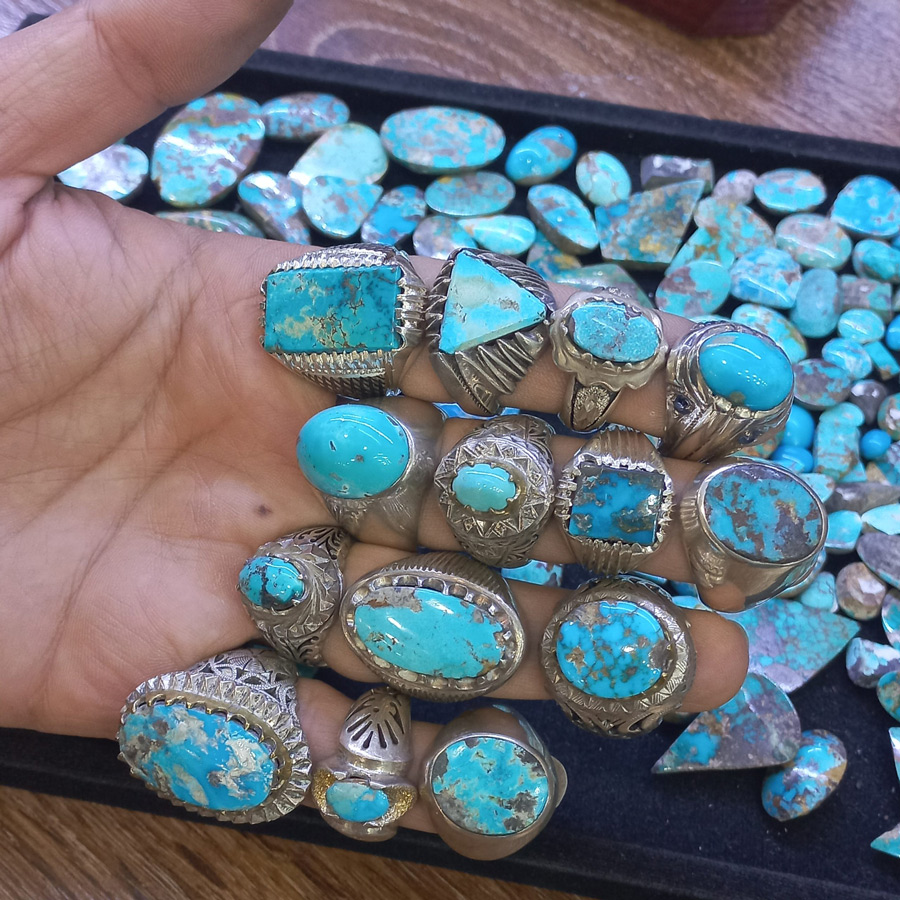
4. Modern Era: Minimalism and Personal Identity
In the 20th century, with the influence of global trends and the modernization of Iran, men’s jewelry began to take on more personalized and minimalist forms. Jewelry became less about displaying wealth or status and more about individual expression and cultural identity.
Pahlavi Dynasty: Western Influence
During the Pahlavi era (1925–1979), Western fashion began to influence men’s jewelry in Iran. Men started to wear more understated pieces, such as simple gold bands, watches, and cufflinks. Jewelry became more streamlined, with less emphasis on grandeur and more on elegance.
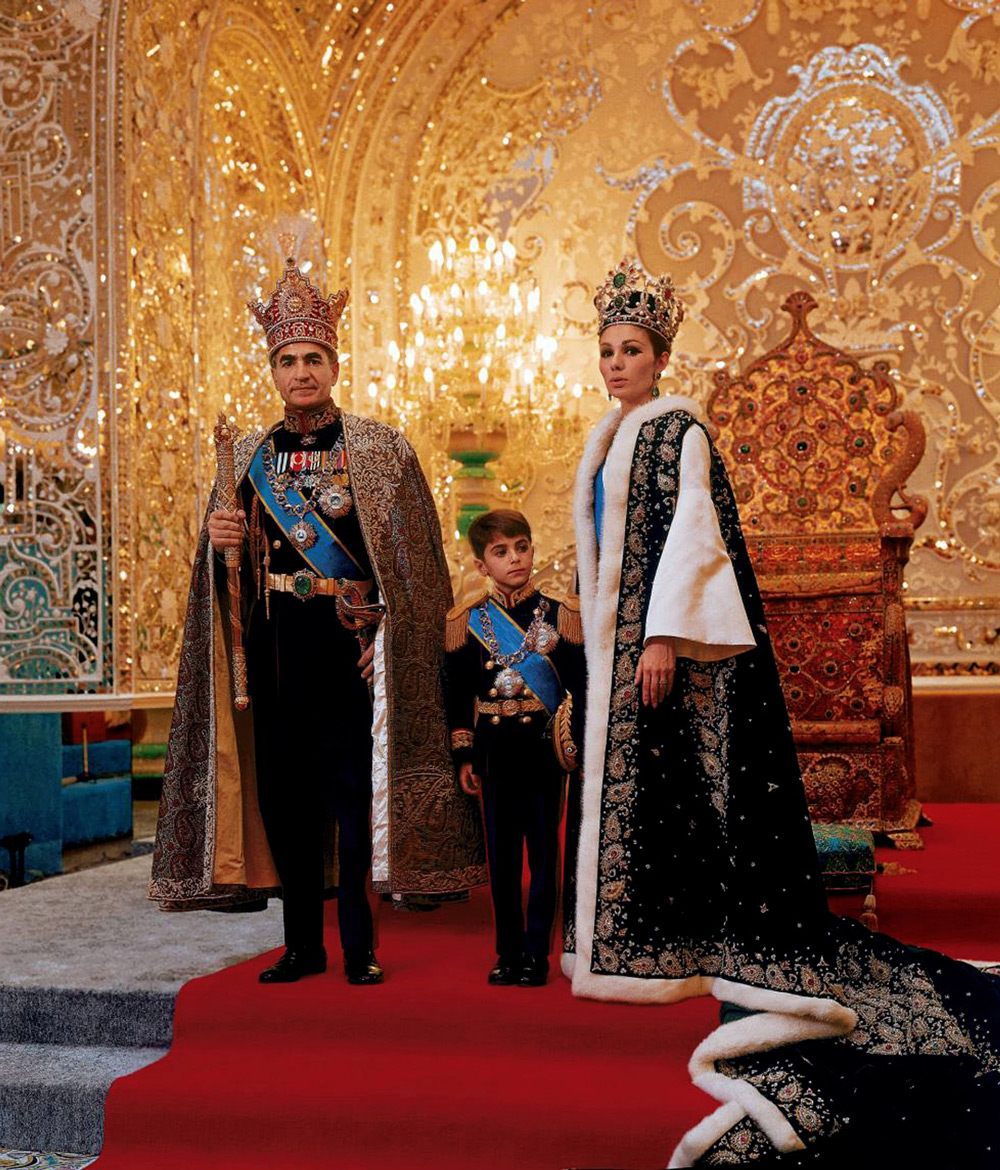
- Gold Rings: Simple gold rings without intricate designs became popular, reflecting the influence of Western minimalism in men’s fashion.
- Cufflinks: Men’s formal attire included gold or silver cufflinks, often set with onyx or turquoise, adding a subtle touch of luxury to modern outfits.
Post-Revolution and Contemporary Trends
After the 1979 Iranian Revolution, there was a shift toward more modest forms of jewelry. Religious symbols and Islamic calligraphy became prominent in men’s jewelry, especially with the resurgence of Islamic values in the country. However, in the 21st century, modern Iranian men have adopted a more globalized approach to jewelry.
- Minimalist Rings and Bracelets: Today, many Iranian men wear minimalist rings and bracelets made of silver or gold, often engraved with personal messages or religious symbols. These pieces are subtle, reflecting a balance between tradition and modernity.
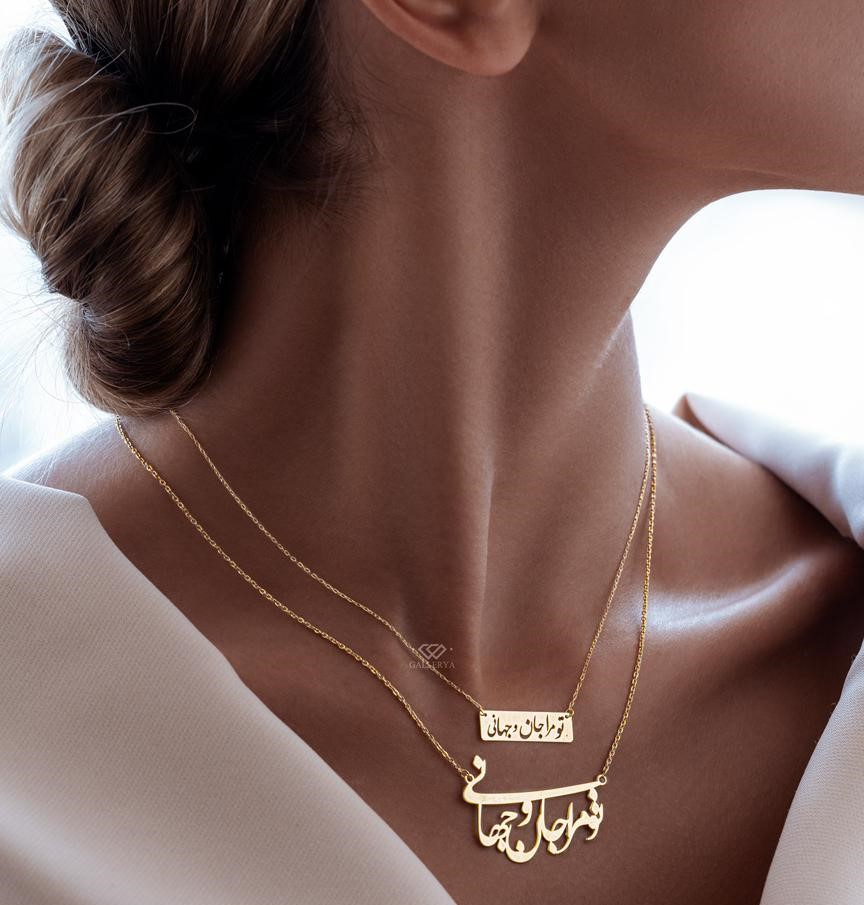
- Cultural Identity: Men’s jewelry has also become a way to express cultural pride, with designs featuring Persian calligraphy, the Faravahar, or traditional motifs making a comeback in both formal and casual settings.
Global Influence and Modern Designers
Iranian men’s jewelry has been influenced by global trends, with a growing interest in unisex and minimalist jewelry that combines cultural elements with modern design. Contemporary Iranian designers are exploring new ways to merge Persian symbolism with modern aesthetics, making men’s jewelry an important part of personal style rather than just a marker of status.
5. The Future of Men’s Jewelry in Iran
The future of men’s jewelry in Iran is shaped by a renewed appreciation for cultural heritage and global fashion trends. Modern Iranian men are more likely to wear jewelry that reflects their identity, whether through minimalist designs or bold statements that incorporate traditional Persian motifs.
Key Trends to Watch
- Cultural Revival: As Iranian designers continue to explore the cultural symbolism of ancient Persian art and Islamic motifs, expect to see more men wearing jewelry that reflects national pride and historical reverence.
- Minimalist Elegance: The trend toward minimalist jewelry—simple bands, engraved rings, and subtle bracelets—will likely continue as men seek jewelry that is both versatile and meaningful.
Conclusion: A Rich Tradition Evolving with Modern Times
The evolution of men’s jewelry in Iran reflects the changing tides of history, religion, and personal identity. From the opulence of Achaemenid kings to the minimalist designs favored by contemporary men, each era has left its mark on the way jewelry is worn and valued. Today, Iranian men’s jewelry serves as both a connection to cultural roots and a personal expression of modern style.
At LetsGoYelo, we celebrate the rich heritage and modern evolution of Iranian men’s jewelry. Explore our curated collection of traditional and contemporary pieces that combine Persian craftsmanship with modern design, and find the perfect piece to express your unique style.